How to Use a Metal Detector in Winter
You can keep metal detecting in winter by keeping batteries warm, wearing gloves you can remove for controls, and slowing your sweep on hard or frozen soil. Choose shorter hunts, check the ground before you dig, and store the detector dry and at room temperature.
On this page (10 sections)
- How does cold change detector batteries and controls?
- What should you wear when detecting in winter?
- How should you sweep in snow and on frozen ground?
- Can you dig finds out of frozen soil?
- How do you protect your detector from snow, salt, and damp?
- How do lakes, beaches, and parks change in winter?
- Which detector suits winter hunting for different users?
- How do you find winter targets without digging up frozen ground?
- What can you realistically find when detecting in winter?
- Is winter detecting worth it for most hobbyists?
You can keep metal detecting in winter by keeping batteries warm, wearing gloves you can remove for controls, and slowing your sweep on hard or frozen soil. Choose shorter hunts, check the ground before you dig, and store the detector dry and at room temperature.
Metal detecting in winter is not about toughing it out for hours. It is about keeping power, control, and comfort steady enough that you can hear a signal and recover a target without damage.
How does cold change detector batteries and controls?
Cold drains battery power faster and can make buttons, screens, and speakers less responsive. Keep the detector in a warm car between hunts and carry spare batteries in an inside pocket close to your body.
Do not leave batteries in a cold garage, shed, or trunk overnight if you can avoid it. Let a cold detector warm up indoors before you turn it on, and wipe off condensation after you come inside.
If your detector has an LCD, expect a slower display in deep cold. Test sensitivity and volume before you start, because a control that feels stiff outside may work normally once warm.
The Bounty Hunter TK4 Tracker IV Metal Detector is battery powered and has intuitive analog controls. That simple control layout can be easier to use with thin glove liners than a menu heavy setup.
What should you wear when detecting in winter?
Wear warm layers you can vent, plus thin liners under heavier gloves for recovery work. You need enough dexterity to press controls, pick up small coins, and handle a pinpointer without dropping it.
Choose insulated boots with grip, because wet leaves, ice, and packed snow hide roots and holes. A windproof jacket matters more than one very thick coat, since you will move less than on a summer hunt.
Keep a warm hat and a neck gaiter in your bag. Heat loss through your head and neck makes your hands cold first, and cold hands make target recovery slow and clumsy.
Take breaks before you feel chilled through. Short hunts of 30 to 60 minutes often give better results than one long session, because you stay focused on signals.
How should you sweep in snow and on frozen ground?
Slow your sweep and keep the coil low and level, even when the ground feels hard. Faster movement on frozen soil makes it easy to miss faint signals and to swing the coil into snowbanks.
Snow adds depth you cannot judge by eye. A target under 4 inches of snow may be another 6 inches down in soil, so mark the center of the signal before you dig.
Frozen ground can also make a detector chatter or lose depth, depending on soil moisture and mineral content. Ground balance may need a quick check at the site, especially if you move from a park to a beach or a wooded area.
If you want a refresher before a cold hunt, our guide on how to set up a metal detector walks through setup steps you can adapt for winter conditions.
Can you dig finds out of frozen soil?
Quite often the soil will not cut cleanly, so pick loose ground or wait for a thaw. Forcing a shovel into frozen soil can bend a target, snap a coin edge, or damage the plug you are trying to save.
Use a sharp serrated digger and cut a small plug first. If the soil resists after a few firm cuts, stop and move to mulch, sand, loose leaf litter, or soil near a sunny wall.
In parks, look for ground that stayed soft under trees, leaf piles, or play area borders. Those spots also hold dropped coins and jewelry, and they are easier on your hands.
Never pry at a target with a screwdriver when the soil is hard. A bent relic or scratched coin is a poor prize for one extra dig.
How do you protect your detector from snow, salt, and damp?
Wipe the coil, shaft, and control housing dry after every hunt, and store the detector at room temperature. A waterproof coil does not mean the whole detector should sit wet in a bag.
Snow melts into seams and crevices, then refreezes overnight. Dry the coil cover and the area around the cable connection, and let the detector air out before you pack it away.
If you hunt near salted paths or a beach in winter, rinse salt off the coil with fresh water and dry it well. Salt and grit can wear finishes and keep moisture against metal parts.
Keep headphones and cables dry too. Cold makes plastic and rubber stiffer, so avoid bending a frozen cable hard enough to crack it.
How do lakes, beaches, and parks change in winter?
Winter sites are quieter, but access, daylight, and ground conditions change fast. Parks may be empty and productive, while beaches can be windy, cold, and washed by rough water.
Check local rules before you go. Some parks restrict digging in winter to protect turf, and some beaches close sections after storms or for cleanup work.
Use our guide to where to go metal detecting to pick sites with soft soil and legal access during cold months. A short list of reliable spots beats a long drive to a frozen one.
On a beach, wet sand can freeze into a hard crust and dry sand can blow over targets. Keep your coil moving slowly and expect deeper recovery than the surface suggests.
Near open water, watch for ice near the shore and slick rocks. A beach metal detecting tips guide can help you plan a safer winter shoreline hunt.
Which detector suits winter hunting for different users?
Pick a lighter detector with simple controls if you will hunt in gloves or with younger beginners. Weight matters more in winter, because cold hands tire faster and sore arms end a hunt sooner.
The Bounty Hunter Gold Digger Kids Metal Detector weighs 2.2 lb and has an adjustable stem, padded grip, and headphone jack. It is built for beginners and kids, with trash elimination and an 8 inch waterproof coil for coins, jewelry, relics, and gold.
For serious gold work in mineralized soil, the Fisher Gold Bug 2 runs at 71 kHz and has a 10.5 inch waterproof elliptical coil. It weighs 2.9 lb and offers manual ground balance, which can help in tough winter soils where mineral content changes after rain or thaw.
If you are new to the hobby, start with our metal detecting beginner guide. It covers the basics you will need before winter turns a simple hunt into a hard one.
How do you find winter targets without digging up frozen ground?
Focus on drop zones where people lose items, then work the edges where soil stays loose. Park benches, wrappers, and play areas collect modern coins and jewelry in every season.
Look under and around picnic tables, near swings, and along the sunny side of walls. Snow and leaves hide trash, but they also protect the soil beneath them from freezing solid.
Listen for repeatable signals from several angles before you dig. A clean signal that stays in place is worth more effort than a noisy one in hard ground.
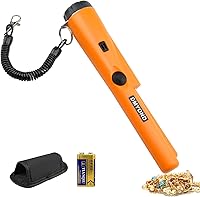
A pinpointer helps in winter because you can narrow the spot before you cut soil. That saves your hands and keeps a small hole small, which matters when the ground is cold and hard.
Our post on metal detecting tips and tricks adds sweep and recovery ideas that work well when you have limited daylight.
What can you realistically find when detecting in winter?
Coins, jewelry, and modern trash are the most likely winter finds, while deep relics are harder to reach. Frozen soil limits depth, so shallow drop zones produce most of your results.
Check what can you find with a metal detector to set fair expectations by site type. Parks give coins and jewelry, beaches give clad and rings, and old homesites give relics when the soil allows digging.
If you want to focus on older finds, relic metal detecting explains the patience and site research that winter can support. Use cold months for research and surface hunting, then dig deeper after a thaw.
Storms can also move sand and expose new areas on beaches and lake shores. That can help, but it can also cover a site with wet sand that freezes overnight.
Is winter detecting worth it for most hobbyists?
Yes, if you keep hunts short, choose soft ground, and value quiet sites over deep digging. Winter rewards preparation more than endurance.
Our guide on is metal detecting worth it helps you weigh cost, time, and enjoyment before you buy extra winter gear. You may already own everything you need except warm gloves and spare batteries.
Pick the TK4 if you want one all terrain detector for coins, gold, silver, and relics. Pick the Gold Digger if a young beginner will share the hunt.
Pick the Gold Bug 2 if your goal is gold nuggets in mineralized soil.
For your next winter hunt, set up at home, load fresh batteries, and choose a nearby site with loose soil. That simple plan keeps metal detecting in winter safe, comfortable, and worth repeating.
Frequently asked questions
Can a metal detector work in snow?
Yes, you can sweep snow with a waterproof coil, but signals are harder to pin down and targets sit deeper than they look. Slow down, mark the spot, and expect to dig more snow and soil.
Short hunts work best when the ground is not frozen solid.
Does cold weather hurt detector batteries?
Cold slows battery power, so detectors can lose charge faster and screens may react slowly. Keep spare batteries in an inside pocket and swap them before they fail.
Store the detector and batteries at room temperature between hunts.
Can you dig for finds in frozen ground?
You can dig shallow spots in lightly frozen soil, but hard ground can damage targets and tools. Stop if you cannot cut a clean plug without force.
Wait for a thaw or hunt loose soil, mulch, and sandy areas instead.
What should you wear to detect in winter?
Wear layers, windproof outerwear, and insulated boots, plus thin glove liners for handling small finds. Keep your hands warm enough to work controls and dig safely.
Take breaks indoors before numb fingers lead to dropped or damaged gear.