VLF vs Pulse Induction Detectors: Which to Choose? (November 2026)
Choose VLF for coins, jewelry and discrimination on dry land, and choose pulse induction for wet salt sand and mineralized ground. In vlf metal detectors vs pulse induction, your ground, target and depth needs decide the winner more than brand or price.
On this page (15 sections)
- VLF metal detectors vs pulse induction: the quick verdict
- How VLF detection works in daily use
- How pulse induction detection works in daily use
- Side by side: features that decide the choice
- Discrimination: why VLF saves time and digging
- Ground handling: where pulse induction pulls ahead
- Depth: what each technology can and cannot promise
- Water use: shallow damp ground versus true underwater work
- Who should buy a VLF detector first
- Who should buy a pulse induction detector first
- Pinnpointers: the tool that makes either choice work better
- Imaging and target ID: know the limits
- What can you find with each technology
- Setup, care and honest trade offs
- Final verdict: vlf metal detectors vs pulse induction
Choose VLF for discrimination and target ID on dry land, and pulse induction for wet, salty or mineralized ground. Vlf metal detectors vs pulse induction is not a contest of age, since both technologies still have clear jobs.
The Bounty Hunter TK4 Tracker IV is a VLF style all terrain detector with an 8 inch waterproof coil and three detection modes. It suits coins, gold, silver and relics in parks, yards, forests and shallow wet ground.
The Quest Waterproof Pulse Induction Pinpointer Scuba Tector shows the pulse induction side in a handheld form. It is rated for fresh or saltwater to 200 ft / 60 m, with snorkeling and dive modes and a 14 hour battery.
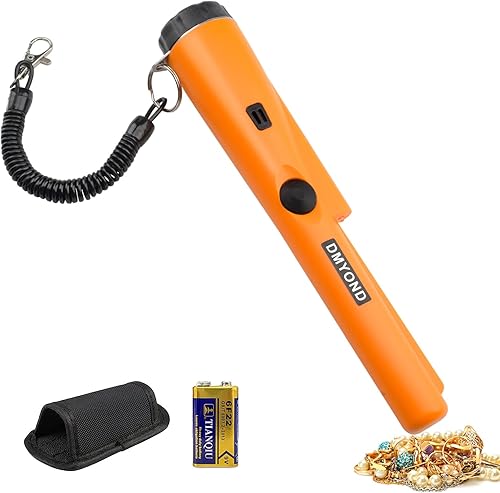
The Dmyond Metal Detector Pinpointer is not a main detector, but it helps either technology. Its single button, LED light and rising alarm sound help you find the exact spot before you dig.
 Best for beginner VLF hunting
Bounty Hunter TK4 Tracker IV Metal Detector
VLF metal detectors vs pulse induction: the quick verdict
Pick VLF if you hunt parks, yards and trashy sites and want to skip trash. Pick pulse induction if wet salt sand or mineralized ground is your main problem.
VLF stands for very low frequency. It sends a continuous signal and can analyze the target to give discrimination and target identification.
Pulse induction sends short, strong pulses and listens for the decay. It handles difficult ground with steadier signals, but it usually gives less information about what it found.
If you're not sure which type fits you, our guide on how to choose a type of metal detector breaks down the main categories in plain terms.
Choose by site first. A detector that runs quietly in your soil will beat a stronger detector that chatters on every step.
How VLF detection works in daily use
VLF detectors give you discrimination, tone changes and target ID that help you dig less trash. That makes them the usual first choice for coin and jewelry hunting.
The Bounty Hunter TK4 Tracker IV has all-metal, tone and discrimination modes. Bounty Hunter says you can switch modes to filter trash and focus on silver coins, jewelry and relics.
Its 8 inch waterproof coil lets you search shallow water, damp soil and sandy terrain. That helps at the edge of a beach, even though it does not replace a true underwater pulse induction detector.
Analog controls and adjustable sensitivity make it easy to learn, Bounty Hunter says. You will still need practice to hear the difference between a coin signal and a foil ball or pull tab.
For a wider look at VLF models, our best vlf metal detector guide helps you compare features that matter for beginners.
How pulse induction detection works in daily use
Pulse induction detectors stay steadier in wet salt sand and mineralized ground, but they signal on almost all metal. You trade target information for ground handling.
The Quest Scuba Tector Pro uses a 95 kHz pulse induction system. Quest says it is made for beach or underwater use, with automatic or manual ground balancing by re-tune.
It has snorkeling mode for depths under 10 m and dive mode for 10 m and deeper. Sensitivity has four levels, and alerts come by audio, vibration and LED.
That design fits a pinpointer role. You sweep a small area, listen for the alarm to grow stronger, then check the exact spot with your hand or a scoop.
If you want to know when pulse induction is worth the trade off, our pi metal detector advantages guide explains the main cases in detail.
Side by side: features that decide the choice
VLF wins on discrimination, pulse induction wins on difficult ground. This table keeps the choice focused on the points that change your hunt.
| Point | VLF detector | Pulse induction detector |
|---|---|---|
| Target ID | Usually good | Usually limited or none |
| Trash rejection | Strong in discrimination mode | Weak, digs more iron and foil |
| Wet salt sand | Often noisy | Usually much steadier |
| Mineralized soil | Can become unstable | Handles it with less chatter |
| Depth in mild ground | Good, depends on coil | Good, often steadier in bad ground |
| Learning curve | Mode and sensitivity take practice | Simple signal, more digging |
| Best first use | Parks, yards, coins, jewelry | Wet beaches, black sand, underwater |
The Quest pinpointer proves one pulse induction strength. It can work in fresh or saltwater to 200 ft / 60 m, while a VLF detector needs a sealed design and careful ground control for that work.
The Bounty Hunter TK4 proves one VLF strength. Its three modes let you move from all-metal to tone to discrimination as you learn the site.
Discrimination: why VLF saves time and digging
Discrimination matters most in trashy ground, where VLF detectors can skip many nails, foil and tabs. Pulse induction usually makes you dig first and sort later.
On a TK4, discrimination mode helps filter trash while you hunt for silver coins, jewelry and relics. That does not mean every skipped signal is trash, so test your settings on known targets at home.
Start in all-metal mode to learn how the ground sounds. Then switch to discrimination and watch what changes in a small test patch.
Keep notes on foil, pull tabs and bottle caps. Those targets sit near gold and jewelry in conductivity, so aggressive discrimination can cost you the finds you want.
Ground handling: where pulse induction pulls ahead
Pulse induction pulls ahead when salt, wet sand or iron minerals make VLF detectors chatter. That is the core reason many beach hunters choose it.
Wet salt sand is conductive. A VLF detector can treat that sand like a target, so you must lower sensitivity or ground balance carefully.
Black sand and red iron soils can also create noise. Pulse induction does not remove the metal in that ground, but its signal often stays usable.
The Quest Scuba Tector Pro has re-tune on power up and four sensitivity levels. That lets you calm the signal in new ground without a full menu.
Depth: what each technology can and cannot promise
Neither VLF nor pulse induction guarantees deeper finds on every site. Target size, soil and coil size can matter more than the circuit name.
A large silver coin in mild soil may give a strong VLF signal at a useful depth. A small gold ring in wet salt sand may be easier to hear with pulse induction because the ground is quieter.
Coil size changes the balance too. Larger coils reach deeper on large targets, but they swing harder and pinpoint less neatly.
The TK4 uses an 8 inch coil, which is a practical size for parks and yards. The Quest pinpointer uses a 25 cm coil, built for close work, not for scanning a whole beach.
Water use: shallow damp ground versus true underwater work
A waterproof coil is not the same as a fully waterproof detector. Read the rating for the control box, not just the coil, before you wade or dive.
The TK4 has an 8 inch waterproof coil for shallow water, damp soil and sandy terrain. Bounty Hunter presents it for beach treasure hunting and wet ground, with care still needed for the rest of the machine.
The Quest Scuba Tector Pro is rated for 200 ft / 60 m in fresh or saltwater. Quest also lists an IP65 rating and dual O-ring protection.
The Dmyond pinpointer is only partially waterproof. Its probe tip can go into water, but the switch and speaker are not waterproof.
Who should buy a VLF detector first
Buy VLF first if you hunt dry or damp land and want help skipping trash. That covers most beginners, coin shooters and relic hunters.
The Bounty Hunter TK4 Tracker IV suits adults and kids, Bounty Hunter says. Its lightweight, battery powered design makes it easy to carry to parks, gardens and forest edges.
Its 1270 g weight is light enough for a long walk, but still heavy enough that wrist position matters. Keep the coil low and swing slow, especially in tall grass.
It is a good fit if you want to learn discrimination, tones and sensitivity on real targets. You can also pair it with a pinpointer for cleaner digging.
Who should buy a pulse induction detector first
Buy pulse induction first if wet salt sand, black sand or underwater hunting is your main site. Accept more digging in exchange for a steadier signal.
The Quest Waterproof Pulse Induction Pinpointer Scuba Tector is a specialist tool. Its foldable design, extendable handle and 14 hour rechargeable battery make it easy to carry to the beach or into the water.
It is not a replacement for a main detector in a trashy park. With little target ID, you will dig iron, foil and caps that a VLF detector might skip.
Plan your digging method before you buy. Use a scoop, check each target in the hole, and keep a pouch for trash so you do not recheck the same signal.
Pinnpointers: the tool that makes either choice work better
A pinpointer improves both VLF and pulse induction hunts by shrinking the dig area. It is the one accessory that helps every technology.
The Dmyond Metal Detector Pinpointer weighs 175 g and runs on a 9V battery. Dmyond says battery use is about 5 to 7 hours, and the alarm grows stronger as you near metal.
Its LED and audible alarm help you center the target before you use a digging tool. That means less turf damage and faster refills in a park.
The Quest pinpointer serves a different role. It is a waterproof pulse induction pinpointer for beach and underwater checking, with vibration for noisy surf or dive use.
Imaging and target ID: know the limits
Imaging and target ID are most useful on VLF detectors, not on basic pulse induction units. Do not pay for a feature you will not use on your ground.
A metal detector with imaging can help you judge target size and shape on some sites. That information is stated by the maker and still needs testing on known targets in your soil.
VLF target ID is a guide, not a promise. Foil can read like gold, and a corroded coin can read lower than expected.
Pulse induction usually gives up that ID to keep the signal steady. If ID is your top need, VLF is the safer first buy.
What can you find with each technology
VLF and pulse induction can find similar targets, but they help you choose which signals to dig. Your site and settings shape the result as much as the circuit.
Our what can you find with a metal detector guide covers coins, jewelry, relics and modern trash. VLF discrimination helps you sort those targets on land.
A basic what is a metal detector used for overview is useful before you buy, since it explains the main jobs from coin hunting to relic hunting. Read it with your local rules, because parks, beaches and historic sites have different limits.
Gold is the hard case. Small gold jewelry can sound like foil, so VLF discrimination must be used with care.
Setup, care and honest trade offs
Set up either detector slowly, test known targets, and keep the coil low. Most bad hunts come from rushed settings, not from the technology.
For the TK4, start with moderate sensitivity and learn each mode. Switch from all-metal to discrimination only after you know how clean ground sounds.
For the Quest, use re-tune when you enter new ground and choose snorkeling or dive mode for your depth. Charge the built in 1000 mAh battery by USB-C, Quest says.
Rinse saltwater gear with fresh water after a hunt. Dry it fully, check seals, and store it where sand and moisture will not collect.
Final verdict: vlf metal detectors vs pulse induction
For most new hunters, VLF is the better first detector; for wet salt beaches and underwater work, pulse induction is the better tool. Vlf metal detectors vs pulse induction comes down to where you will hunt most.
Pick the Bounty Hunter TK4 Tracker IV if you want a beginner friendly VLF detector for coins, jewelry and relics on land. Its waterproof 8 inch coil and three modes make it versatile for parks, yards and shallow wet ground.
Pick the Quest Waterproof Pulse Induction Pinpointer Scuba Tector if your work is in the water or wet sand. Its 200 ft / 60 m rating, dive mode and 14 hour battery make it a focused pulse induction tool.
Add the Dmyond Metal Detector Pinpointer if you want a light land pinpointer for cleaner digging. Its partially waterproof tip and rising alarm help you center targets before you dig.
Match the detector to your ground, learn its signals, and dig with care. That choice will do more for your finds than chasing depth claims alone.
Frequently asked questions
Are VLF metal detectors better than pulse induction detectors?
VLF detectors are better for most coin, jewelry and relic hunting on dry land because they offer stronger discrimination. Pulse induction detectors are better in wet salt sand, black sand and heavily mineralized ground where VLF signals become noisy and unstable.
Which finds deeper targets, VLF or pulse induction?
Depth depends on target size, ground and coil, not technology alone. Pulse induction can hold a steadier signal in mineralized or wet ground, while a well tuned VLF detector can reach good depth on mild ground and tell you more about the target.
Can a pulse induction detector tell iron from gold?
Most pulse induction detectors give little or no target identification, so they signal on iron, foil and gold alike. You will dig more trash unless you use a pinpointer, a set digging pattern and a plan to check shallow signals carefully.
Is a VLF detector good for the beach?
A VLF detector with discrimination works well on dry sand and in shallow wet areas, but wet salt sand can cause false signals. If you hunt wet sand often, a pulse induction detector or a VLF model made for beach work will be easier to control.
Do I need both a VLF detector and a pulse induction detector?
Most beginners need one main detector first, matched to where they hunt most. Add a second technology later if your sites include both trashy parks and wet salt beaches, or if you want a dedicated underwater pinpointer.


