Garrett AT Pro Review: Worth It? (November 2026)
The Garrett AT Pro suits all terrain hunting when you want one detector for parks, fields, beaches and shallow water. Pair it with a waterproof pinpointer to cut digging time, and check ground conditions before you hunt.
On this page (13 sections)
- Garrett AT Pro at a glance
- Who the Garrett AT Pro suits best
- Garrett AT Pro controls for all terrain hunting
- Specs that matter in daily use
- Garrett AT Pro field test and reviews: what owners report
- Setup before your first hunt
- How to hunt beaches, parks and old homesites
- Garrett AT Pro vs AT Max: which should you choose?
- Why do metal detectors beep? A field guide
- Can a metal detector detect lead? A field guide
- Trade offs between the AT Pro and the products here
- Care, storage and honest limits
- Verdict: Garrett AT Pro review summary
The Garrett AT Pro review answer is simple: it is a versatile all terrain detector for coin, relic, jewelry and beach hunting. It suits hunters who want one machine for parks, fields and wet ground without switching brands.
You will get the most from it with a pinpointer in your toolkit. A pinpointer narrows the exact dig spot after the main coil finds a target.
That saves time and keeps holes smaller.
Our score weighs specs, features and buyer feedback against what you're shopping for. We compared controls, waterproof ratings and target separation across the detector and the pinpointers below.
Garrett AT Pro at a glance
The AT Pro fits hunters who want one waterproof detector for varied ground. It is not the newest model in the line, but its simple controls and all terrain build still match its core job.
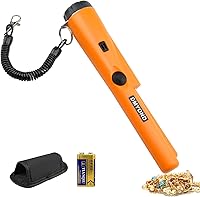
Garrett Pro-Pointer AT Waterproof Metal Detector: Best for all terrain pinpointing

- 20 ft submersible
- 3 sensitivity levels
- Single button control
- Orange visibility casing
A waterproof pinpointer for beach, creek and wet soil work. Its bright orange casing and single button make it easy to use and find.
Pros
- Fully submersible to 20 ft
- Fast retune narrows the search area
- Built in ruler helps judge depth
- Simple one button operation
Cons
- Pinpointer only, not a full detector
- Single button means you learn its press patterns
That card shows the Garrett Pro-Pointer AT, a digging companion rather than the AT Pro detector itself. You need both pieces to understand the full AT Pro setup that many hunters use in the field.
If you want a step up in the same family, see the Garrett AT Pro vs AT Max comparison before you buy.
Who the Garrett AT Pro suits best
The AT Pro suits coin shooters, relic hunters and beach hunters who hunt mixed sites. Parks, old homesites, fields and shorelines all call for the same mix of depth, discrimination and waterproof build.
Beginners suit it if they will learn at home first. The controls are plain, but target sounds still take practice.
A short test garden with coins, pull tabs and nails teaches you more than a manual alone.
Experienced hunters suit it as a backup or a simple go to machine. It does not ask you to manage complex menus in wind, rain or cold.
That simplicity helps when you hunt with gloves or in poor light.
Skip it if you mainly hunt deep relic sites and want the newest features. In that case the comparison with higher models matters more than brand loyalty.
Also skip a detector only setup if you hate digging, since recovery speed affects your whole hunt.
Garrett AT Pro controls for all terrain hunting
The AT Pro uses a small set of controls you can learn by touch. That design helps in rain, mud and cold, when a touch screen or long menu becomes a problem.
General all terrain hunting needs ground balance, discrimination and sensitivity control. Mineralized soil, salt sand and wet ground each change how the detector behaves.
Learn one adjustment at a time and write down what worked at each site.
Target ID helps you guess a target, but it is not a guarantee of value. Coins, jewelry and trash can show similar numbers in the ground.
Dig the solid signals and learn from each recovery.
For a full walk through of settings and field habits, read how to use a Garrett AT Pro. That guide pairs well with this review when you set up your first hunt.
Specs that matter in daily use
Daily use comes down to weight, waterproof build, coil size and battery life. A detector you can swing for hours beats a heavier model with extra features you never use.
Weight matters over a long hunt. Arm and shoulder fatigue changes your swing, and a tired swing misses targets.
Short sessions with good form give better results than long sessions with a sloppy swing.
Waterproof ratings need care. Waterproof means the maker tested it to a stated depth, and some parts may still need care after salt water or mud.
Rinse with fresh water, dry it well and check seals as directed.
Battery life affects weekend hunts. Carry spare batteries and know the low battery signs before you head out.
A detector that dies mid hunt wastes the best conditions of the day.
Garrett AT Pro field test and reviews: what owners report
Buyers often mention steady performance across parks, beaches and fields. Owners report that the AT Pro handles wet sand, creek edges and trashy iron areas without constant fuss.
Owners also report that learning target sounds takes time. The first weeks may bring more trash than treasure, and that is normal.
A test garden and patient digging build skill faster than hunting hard ground at first.
Field reports point to one clear pattern. Hunters who pair the detector with a pinpointer dig less and find more.
Hunters who skip the pinpointer spend more time with a shovel and less time swinging.
Read Garrett AT Max reviews if you want to see how owners judge the next model up. That contrast helps you decide if extra features are worth it for your sites.
Setup before your first hunt
Set up at home first so your first hunt is about hunting, not menus. Charge or fit batteries, fit the coil, adjust the shaft and test every button before you leave.
Adjust the arm cuff and shaft length for a light swing. Your arm should stay relaxed, and the coil should skim the ground without scraping.
A long shaft can tire you, and a short shaft can hurt your back.
Learn the power, sensitivity, discrimination and ground balance controls in a quiet room. Then test in a yard with a few buried targets at known depths.
Mark those targets so you can repeat the test.
Pack a small field kit. Gloves, a finds pouch, a towel, spare batteries and a digging tool cover most needs.
Add a pinpointer once you learn to trust its signal.
How to hunt beaches, parks and old homesites
Match your settings to the soil and the trash you expect. Beach humus, park mulch, farm fields and old homesites each need a different balance of sensitivity and discrimination.
Beach hunting rewards a slow swing and tight overlaps. Wet sand and salt can cause chatter, so lower sensitivity when the detector talks too much.
Dig the clear signals and check the tide line often.
Park hunting rewards patience in iron. Old sites hold coins mixed with nails, foil and pull tabs.
Use discrimination with care, since it can hide good targets near trash.
Old homesites reward grid patterns. Walk straight lines, overlap each pass and mark productive rows.
That method covers ground in order and helps you return to hot spots.
Garrett AT Pro vs AT Max: which should you choose?
Choose the AT Pro for simple controls and proven all terrain use. Choose the AT Max if you want its added features and you will use them often.
Paid features only help when they match your sites and habits.
Budget also shapes the choice. A lower cost detector leaves room for a pinpointer, a digging tool and spare batteries.
Those items improve your hunt more than a feature you rarely touch.
See the Garrett AT Pro vs AT Max: Which Should You Choose? guide for a direct side by side view. It weighs modes, controls and price tier against real hunting styles.
Also check the Garrett AT Max Bundles: Which Accessories Do You Need? page if a bundle tempts you. Bundles only help when each item fits your hunting plan.
Why do metal detectors beep? A field guide
Detectors beep to tell you a target is near and how strong it is. The tone, volume and target ID work together during each sweep.
Strong, repeatable signals deserve a closer check.
Trash can beep just like treasure. Shape, depth, soil and orientation change the signal.
That is why a solid tone is a reason to dig, not a promise of a coin.
Learn Why Do Metal Detectors Beep? A Field Guide to read signals with more care.
Better signal reading means fewer wasted holes and more finds in your pouch.
Can a metal detector detect lead? A field guide
A metal detector can detect lead because lead is a conductive metal. Sync weights, bullets, fishing weights and old paint can all give a signal in the ground.
Lead signals can overlap with coins and jewelry. Target ID is a guide, not a ID card for metal type.
Digging and visual checks still matter at every site.
Read Can a Metal Detector Detect Lead? A Field Guide for context on lead targets and safety.
Gloves and hand washing matter when you handle old lead in soil.
Trade offs between the AT Pro and the products here
The AT Pro is a full detector, while the pinpointers are recovery tools. That split is the main trade off in this review.
You need a full detector to search, and a pinpointer to recover fast.
The Garrett Pro-Pointer AT suits wet work with its 20 ft submersible build. Its orange casing helps you spot it in water, mud and tall grass.
Three sensitivity levels and fast retune help with small targets and mineralized ground.
The Minelab PRO-FIND 35 suits hunters who want ferrous tone ID. Five sensitivity levels and vibration alerts help in noisy ground.
It is waterproof to 10 ft, so it suits beaches and creeks more than deep diving.
The Minelab X-Terra PRO suits buyers who want a full detector alternative. It has Park, Field and Beach modes, 30 discrimination segments and an IP68 waterproof build to 16 ft.
It weighs 2.9 lb and folds to 25 inches for travel.
Garrett Pro-Pointer AT as a digging partner
This pinpointer fits AT Pro owners who hunt wet ground. Its built in ruler, lanyard loop and single button keep recovery simple with gloves on.
Minelab PRO-FIND 35 for tone ID
This pinpointer fits hunters who want extra help sorting iron from treasure. Its audio and vibration grow as you close in on a target.
Minelab X-Terra PRO as a full alternative
This detector fits buyers who want a complete alternative to the AT Pro. Its backlit display and handgrip vibration help in low light.
Care, storage and honest limits
Care for the AT Pro with fresh water, a soft cloth and dry storage. Salt, sand and mud wear seals and screens fast.
A quick rinse after beach hunts protects the build.
Store the detector in a cool, dry place away from direct sun. Keep the coil clean and check the shaft locks before each hunt.
Loose parts cause chatter and missed signals.
Be honest about limits. No detector finds every target, and target ID never replaces digging.
Weather, soil minerals, trash density and your swing all shape results.
Carry a find pouch and a trash pouch. Leaving trash in the ground helps no one, and a clean site keeps permission open for your next hunt.
Gloves protect your hands from sharp metal and old lead.
Verdict: Garrett AT Pro review summary
This Garrett AT Pro review points to a solid all terrain choice for coin, relic and beach hunting. It suits hunters who value simple controls, waterproof use and proven field habits over the newest features.
Buy the AT Pro if you hunt mixed ground and want one detector for many sites. Add a pinpointer from the start, since recovery speed shapes your whole hunt.
Buy the Minelab X-Terra PRO if you want a full detector alternative with modes and a backlit display.
Next, compare the AT Pro with the AT Max and learn the controls before your first hunt. Those two steps help you spend on the right model and learn it fast.
Frequently asked questions
Is the Garrett AT Pro good for beginners?
The AT Pro suits beginners who want simple controls and waterproof use, especially with the standard modes and a pinpointer. Learn the basic all metal and discrimination settings at home first.
Short practice sessions in a test garden help you learn target sounds before you hunt a real site.
Can the Garrett AT Pro go underwater?
Garrett positions the AT Pro as an all terrain detector for shallow water use, so confirm the exact depth limit for your model before wading or diving. Keep the control housing dry unless the maker confirms submersion for that unit.
Beach and creek hunting in wet sand and shallows is the everyday use most owners get from it.
Do I need a pinpointer with the AT Pro?
A pinpointer is not required, but it speeds up recovery a lot in parks and beaches. The main coil narrows the target area, then the pinpointer finds the exact spot.
That means smaller holes, faster recovery and less ground disturbance, which matters at public sites.
How does the AT Pro compare to the AT Max?
The AT Max adds more advanced features for hunters who want extra options, while the AT Pro keeps the controls simpler. Choice depends on budget, experience and how often you hunt.
Compare modes, sensitivity control and included accessories before you decide which fits your hunting style.