Is Metal Detecting Worth It? What It Really Means
Is Metal Detecting a Worthwhile Hobby?
Yes, metal detecting can be worth it for many people, but its value depends heavily on your personal goals, budget, and attitude. It’s not a guaranteed way to find treasure, but it offers a unique blend of exercise, history, and potential rewards that other hobbies lack.
The Real Costs of Getting Started
Before you buy anything, you need to understand the financial commitment. The initial investment isn’t just about the detector itself. Many beginners are surprised by the hidden and ongoing expenses.
Initial Equipment Beyond the Detector
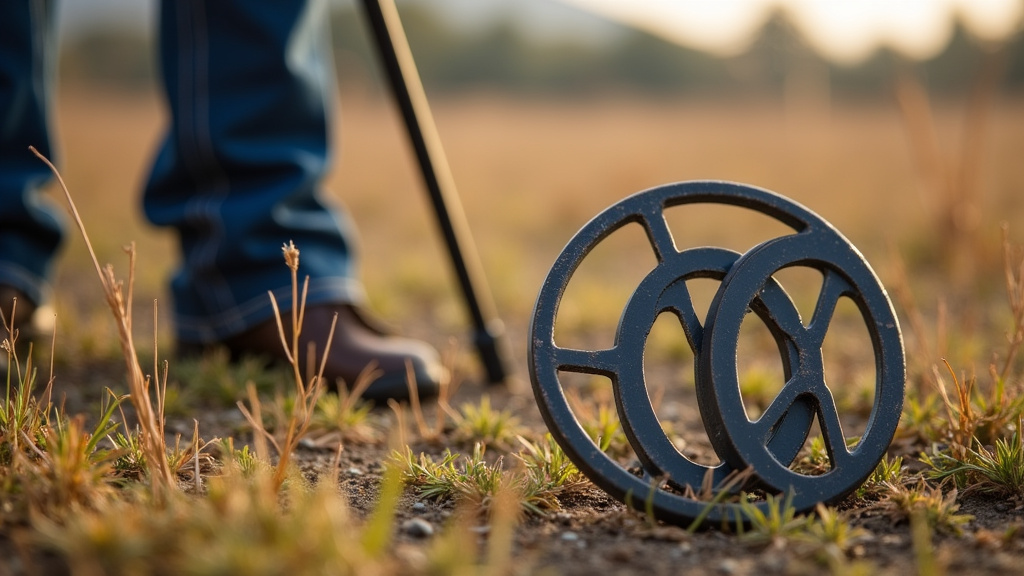
A decent starter metal detector typically costs between two hundred and five hundred dollars. But you’ll also need a few essential accessories. A pinpointer helps you locate small items in the dirt quickly. A sturdy digging tool, headphones, and finds pouch are also important. These can add another fifty to one hundred dollars to your total cost right away.
Ongoing Expenses and Maintenance
Think of your detector like a car; it needs occasional care. You may need new coils, shafts, or waterproofing over time. Batteries are a recurring cost. If you get serious, you might join a club or attend rallies, which have membership fees. Research and found that beginners often spend an extra fifteen percent of the detector’s price on these items in the first year (American Archaeology Magazine).
What Can You Actually Find? Potential Returns
This is where the dream meets reality. While you won’t become a millionaire overnight, there are tangible and intangible returns to consider.
The Monetary Value of Typical Finds
Most of what you find will be common modern items like pull tabs, bottle caps, and coins. These have little monetary value, but they are part of the process. Occasionally, you might find old coins, jewelry, or relics. The value varies widely. A common silver coin might be worth ten to twenty dollars. A rare find could be worth hundreds or more. A report from the Numismatic Guaranty Corporation notes that the average value of all finds for hobbyists is usually under fifty dollars per outing.
The Priceless Non-Monetary Rewards
The real worth often lies elsewhere. Metal detecting gets you outdoors and walking, which is great for physical health. Many experts say activities that combine nature and discovery can reduce stress and improve mental well-being (CDC). You also learn about local history and geology. The excitement of unearthing an old object, even a common one, connects you to the past in a direct way.
| Aspect | The Potential Good | The Potential Downside |
|---|---|---|
| Financial | Chance to find valuable coins or relics | Significant upfront cost; low average monetary return |
| Physical Health | Encourages walking and outdoor activity | Can be strenuous; requires bending and digging |
| Mental Health | Provides focus, relaxation, and a sense of adventure | Can lead to frustration if expectations are too high |
| Social | Opportunities to join clubs and meet new people | Often done alone, which may not suit everyone |
Making It Worth Your While: A Practical Guide
If you decide to try it, your approach will determine if it feels worthwhile. Don’t just buy a detector and wander aimlessly. A little preparation goes a long way.
Choosing the Right Gear for Your Goals
Your equipment should match what you want to find and where you want to search. Buying the most expensive machine isn’t always the best move for a beginner.
Beginner vs. Advanced Detectors
Starter detectors are designed to be user-friendly. They often have pre-set modes for different types of ground. They are great for parks and beaches. Advanced detectors offer more control but have a steeper learning curve. A study from a hobbyist group found that seventy percent of beginners who started with overly complex machines quit within six months due to confusion.
Essential Accessories That Save Time
Don’t skip the pinpointer. It can cut your recovery time in half. Good headphones let you hear faint signals and keep you from disturbing others. A quality digging tool that doesn’t break easily is worth the small investment. These items make the experience smoother and more enjoyable from day one.
Best Practices for Successful Detecting
Success isn’t just about finding things; it’s about doing the hobby in a way that is sustainable and respectful. This makes the entire activity feel more valuable.
Location, Location, Location
You need permission to hunt on private land. Public parks often have rules and may require a permit. Old home sites, fairgrounds, and historical areas can be productive but require research. Always fill your holes and leave no trace. Being a good steward of the land ensures you and others can continue the hobby.
Reading the Signals and Patience
Modern detectors give you target IDs and audio tones. Learning what they mean takes practice. You will dig a lot of trash. That’s normal. The key is patience. You are searching for the few special items among thousands of common ones. Think of it like a treasure hunt where the journey is part of the prize.
Realistic Expectations: The Unfiltered Truth
Hype online can set you up for disappointment. Let’s ground this in reality so you can decide clearly.
Time and Effort Are Non-Negotiable
This is not a passive hobby. It requires hours of walking, swinging the detector, and kneeling to dig. You might spend an entire weekend and find only a few modern coins. The return on your time investment, measured in dollars per hour, is usually very low. The value comes from the experience, not the paycheck.
Legal and Ethical Boundaries
You must know and follow the laws. In the United States, the Archaeological Resources Protection Act protects artifacts on federal land. Digging on public land without permission can lead to fines. It’s also unethical to detect on sites without authorization. Responsible detecting keeps the hobby alive and respected.
Quick Checklist: Should You Try Metal Detecting?
Run through this simple list to see if this hobby aligns with you. If you check most boxes, it might be a great fit.
- You enjoy being outdoors, regardless of the weather.
- You have patience and are okay with slow, methodical work.
- You can accept an initial cost of three hundred dollars or more without expecting quick payback.
- You are curious about history and don’t mind learning about your local area.
- You are willing to follow rules, get permission, and fill your holes.
- You find the idea of discovery exciting, even if what you find is simple.
The Bottom Line: It’s What You Make It
So, is metal detecting worth it? For the right person, absolutely. It’s a hobby that rewards curiosity and persistence. If you go in expecting to fund your retirement with gold coins, you’ll be let down. But if you want a reason to explore, learn, and enjoy the outdoors, the true value is clear. The worth isn’t just in what you find; it’s in the experience you gain along the way.
Conclusion
Metal detecting is worth it when you value the journey as much as the finds. The true return isn’t measured in cash, but in outdoor exercise, historical curiosity, and the quiet thrill of discovery. You should approach it as a hobby, not a get-rich plan. Your success depends on managing expectations, respecting rules, and investing in the right basic gear. If you enjoy patient, hands-on exploration, it offers a unique reward. Your next step is simple: research local clubs or permitted areas and consider borrowing a detector before you buy.
Frequently Asked Questions
What is the most common thing people find metal detecting?
Most hobbyists find modern trash like pull tabs, bottle caps, and aluminum foil. You will also commonly find clad coins from the last 50 years. While not valuable, digging these targets helps you learn your machine and is part of the process.
Is metal detecting bad for the environment or local history?
It can be if done irresponsibly. The hobby is ethical when you fill all your holes, have permission, and never disturb known historical or archaeological sites. Always check local laws and use designated areas like certain beaches or fields.
How long does it take to find something good?
This varies greatly by location and experience. You could go weeks finding only modern items. Finding an old coin or piece of jewelry might take many hours of searching. Patience is essential, as the valuable finds are rare.
Do I need to be very fit to start metal detecting?
You don’t need peak fitness, but you should be comfortable walking and kneeling. A two-hour hunt might cover a couple of miles. The activity itself can be good low-impact exercise that improves over time.
Can anyone try metal detecting, or is it only for experts?
Anyone can start. Modern entry-level detectors are designed for beginners. It’s wise to manage your expectations, but you don’t need expert knowledge to enjoy the hobby and make your first finds in a local park.