How to Dredge for Gold
To dredge for gold, set up a legal water intake and recovery system, feed classified gravel into the sluice, and clean the concentrate carefully. Work slowly, protect the stream, and follow local rules before moving any material.
On this page (10 sections)
- What equipment do you need to dredge for gold?
- How do you choose a dredging location?
- How do you set up a small gold dredge?
- How do you collect material while dredging?
- How do you protect gold recovery during the run?
- How do you clean gold dredge concentrates?
- Can you build or use a hand dredge?
- What should you do after dredging?
- More guides on this topic
- How to dredge for gold without wasting effort
To dredge for gold, use a legal dredge setup to loosen stream material, move it through a recovery system, and save the heavy concentrate for cleanup. The goal is not to process as much gravel as possible.
It is to recover gold without losing fine pieces or damaging the stream.
Before planning a trip, check the rules for the exact river and land. Permits, seasonal closures, motor limits, suction dredge restrictions, and land access can change by location.
What equipment do you need to dredge for gold?
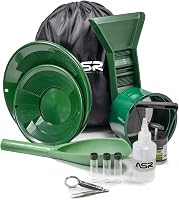
A basic gold dredge needs an intake, water movement, a sluice, recovery material, and tools for sampling and cleanup. A small setup may include a suction nozzle, hose, pump, sluice box, classifier, bucket, shovel, pry bar, and gold pan.
Read what a gold dredge is and how it works before buying parts. The main systems work together: the intake moves material, the water carries it through the sluice, and the riffles or matting hold heavier particles while lighter gravel exits.
Your location determines the best size. A shallow, easy-access creek may suit a compact hand-fed setup.
Deeper water or heavy clay may require more specialized equipment, but added capacity also means more transport, setup time, and environmental responsibility.
If you are planning a homemade system, review how to build a gold dredge first. Portable options are easier to carry between sample locations, and best portable gold dredge equipment can help you compare the parts that matter most.
How do you choose a dredging location?
Choose a legal area with signs of gold concentration and a safe working position. Gold settles where moving water loses energy, especially near bedrock, cracks, inside bends, and the downstream sides of large rocks.
Start by studying the stream before assembling the dredge. Look for exposed bedrock, black sand, old flood channels, clay layers, and gravel that appears different from the surrounding material.
Sample more than one spot. Dig a small test hole, pan the material, and compare results from several locations.
A single visible flake can be encouraging, but repeated results are more useful when deciding where to set up.
Avoid unstable banks, deep water beyond your skill level, and areas with strong current. Keep your work area organized so hoses, tools, and loose rocks do not create hazards for you or other people.
How do you set up a small gold dredge?
Place the sluice on a stable angle with steady water flow, then position the intake where it can reach productive material without pulling in large rocks. The sluice should stay secure while you feed material at a controlled rate.
Clear loose debris from the intake area and anchor equipment before starting. Keep the discharge pointed where it will not undercut a bank, block the channel, or send sediment into a sensitive area.
Check the recovery section before processing material. Matting, riffles, and expanded metal must sit correctly so water can carry lighter gravel away while heavier particles remain trapped.
Feed classified material slowly. Large rocks can block the system, overload the recovery area, or disturb the water flow.
If the sluice begins carrying heavy material out, stop and correct the setup instead of adding more gravel.
For water removal or small utility tasks around a prospecting site, the SeaSense Hand Bilge Pump has a manual, self-priming design, a removable hose, corrosion-resistant plastic construction, and a 24 in x 36 in hose.
This pump is best for readers who want a simple manual tool for water removal rather than a powered dredge pump. Its 1.8 lb weight and manual operation suit portable kits, but it is not a replacement for a full dredge intake and recovery system.
How do you collect material while dredging?
Dig into likely traps and feed small, classified batches into the sluice. Concentrate on bedrock cracks, compact layers, and places where heavy black sand collects instead of moving random gravel from the stream.
Use a classifier to remove oversized rocks before the material reaches the recovery system. Classification makes feeding more even and helps you inspect the larger pieces for gold-bearing cracks or sticky clay.
Break up clay carefully. Gold can hide inside clay balls, so wash and separate them before they leave the recovery system.
Do not rush the process by increasing the feed rate.
Keep a clean bucket for concentrate. Label or separate samples when comparing locations so you know which material came from each test area.
A hand siphon can help move non-potable water during general site work, but it does not replace a dredge pump. The TERA PUMP Heavy Duty Manual Hand-Operated Siphon uses PE plastic and is described for water-based chemicals, non-potable water, light oils, diesel oils, and other listed liquids.
Its listed flow rate is 6.8 liters per minute, so it may suit small transfers where electricity is unavailable. It is a poor choice when you need continuous high-volume water movement through a dredge.
How do you protect gold recovery during the run?
Inspect the sluice regularly and stop the feed when the recovery area becomes overloaded. A clean, steady flow is more useful than maximum throughput.
Watch for signs of poor recovery, such as heavy black sand washing out, material piling up in the sluice, or water moving too fast over the recovery surface. Check the setup after changing the water depth, feed rate, or sluice position.
Keep tools and hands clear of moving water and suction points. Never reach into a running intake to clear a blockage.
Shut down the system first and follow the equipment instructions.
Use a 24 in utility hand pump for small water-removal tasks when you need portability. The nVent KING INNOVATION 48024 Siphon King includes a pump and 36 in discharge hose, has a self-priming action, and is intended for water and other non-corrosive liquids.
The pump is rated at 1 gallon per minute and can remove up to 1 gallon in a few strokes. It fits utility work, pits, trenches, and standing water, but it is not a substitute for equipment designed to process continuous dredge feed.
How do you clean gold dredge concentrates?
Clean concentrates in small batches with a gold pan, controlled water flow, and patience. The material left in the recovery system contains gold along with black sand, lead, garnets, and other heavy minerals.
First, remove large rocks and inspect them over a clean container. Then classify the concentrate again if it contains mixed sizes.
Smaller, even batches are easier to control than one overloaded pan.
Add water and break up the concentrate gently. Keep the pan level, wash lighter material over the rim, and pause often to check the remaining heavies.
Fine gold can move quickly if you tilt the pan too far or use too much water.
Save the final heavy fraction in a labeled container. If you are unsure whether a yellow piece is gold, keep it separate until you can inspect it with better light and magnification.
Do not discard black sand until you are confident that your process is recovering fine gold. A second cleanup pass can reveal mistakes in the first pass.
Can you build or use a hand dredge?
A hand dredge is useful for sampling cracks, shallow holes, and narrow spaces where a full dredge cannot reach. It is slower than powered equipment, but it can help you test material with less gear.
Review how to build a hand dredge if you want to understand the basic parts. For ready-made options, compare best hand dredge pump for gold prospecting before choosing a size and operating style.
Hand tools work best when you already have a strong target. Use them to test bedrock seams, clay contacts, and compact layers instead of moving large amounts of untested gravel.
What should you do after dredging?
Remove the equipment, stabilize disturbed material, and leave the site safe for the next visitor. Follow local restoration rules, return usable rocks where appropriate, and avoid leaving hoses, buckets, fuel, or loose hardware near the water.
Inspect the dredge, hoses, sluice, and recovery material before packing. Rinse equipment with clean water where allowed, dry it, and check for cracks or blockages before the next trip.
Keep gold and concentrates labeled by location. Notes about the stream, depth, material type, and recovery result can help you choose better sampling spots later.
More guides on this topic
- Best Water Pumps for Gold Dredging
How to dredge for gold without wasting effort
The best approach to how to dredge for gold is to sample first, set up the sluice carefully, feed classified material slowly, and clean concentrates in small batches. Choose a full dredge when you need continuous processing, or a hand pump when you are removing small amounts of water or testing narrow areas.
Use the SeaSense pump for compact water-removal tasks, the TERA PUMP for lightweight manual siphoning, and the nVent KING INNOVATION pump for portable utility drainage. Always confirm that your equipment and method are allowed before entering the water.
Frequently asked questions
Is gold dredging legal everywhere?
No. Gold dredging rules vary by country, state, river, land manager, season, and waterway.
Check permits, motor restrictions, stream disturbance rules, and private-land access requirements before you enter the water.
A method that is allowed in one area may be prohibited in another.
What equipment do you need to dredge for gold?
A small dredge normally needs a suction or intake system, water pump, sluice, intake hose, discharge hose, classifier, recovery matting, flotation or support, and tools for digging. The right setup depends on water depth, current, access, material size, and local restrictions.
Where should you dredge for gold?
Look for natural traps where heavy material settles, such as bedrock cracks, inside bends, downstream edges of boulders, and low-pressure areas behind obstacles. Sample several spots first.
Gold can be unevenly distributed, so one productive pan does not prove an entire stretch is rich.
How do you clean gold dredge concentrates?
Classify the concentrate, remove large rocks, and use a gold pan or another controlled separation method with clean water. Work in small batches, keep the pan level, and save every heavy fraction until you are sure no fine gold remains.