What Is a Gold Dredge and How Does It Work?
A gold dredge uses suction to lift gravel and water from a streambed, sends the mixture through a sluice, and captures gold as lighter material washes away. The pump, suction hose, nozzle, and sluice each handle a different part of that process.
On this page (11 sections)
- What is a gold dredge?
- How does a gold dredge work?
- What does the suction nozzle do?
- How does suction move sediment?
- What does the sluice box do?
- How does a dredge separate gold from sand?
- Can a hand pump replace a gold dredge?
- What is the difference between a hand dredge and a suction dredge?
- What does a utility hand pump help with?
- How do you use a gold dredge safely and responsibly?
- What should you check before choosing dredging equipment?
A gold dredge works by sucking up water and sediment, moving the mixture through a sluice, and letting gravity separate heavy gold from lighter material. The main parts are a suction nozzle, hose, pump, sluice box, and a way to keep the dredge stable in moving water.
Dredging differs from ordinary panning because it processes material directly from a streambed. Instead of carrying every shovelful to shore, the operator uses water and suction to move sediment into a recovery system.
What is a gold dredge?
A gold dredge is a system for removing streambed material and recovering dense particles from it. The system may be small and manually operated or larger, with a pump that moves enough water and sediment for continuous feeding.
A typical suction dredge has a nozzle at the bottom, a suction hose, a pump, and a sluice box. The nozzle loosens gravel, the hose carries the mixture, and the sluice separates heavier material from the flowing sediment.
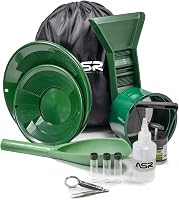
The equipment is different from the basic gold panning equipment used to wash a small amount of material in a pan. A pan relies on hand motion, while a dredge uses a planned flow path.
How does a gold dredge work?
A gold dredge works in five connected stages: loosen, suck, transport, classify, and capture. Each stage affects the next, so a blocked hose, poor water flow, or overloaded sluice can reduce recovery.
- The operator loosens gravel and sediment with the nozzle.
- Suction pulls the material and water into the hose.
- The pump or water flow carries the mixture toward the sluice.
- The sluice spreads and slows the material.
- Riffles or matting hold dense particles while lighter material exits.
The basic principle is density. Gold is much heavier than most stream sediment, so controlled water flow can carry away lighter particles while dense material settles into the recovery surface.
What does the suction nozzle do?
The suction nozzle is the working end placed near the streambed. It gathers loosened gravel, sand, water, and small pieces of material so the hose can move them toward the sluice.
The operator usually works the nozzle through likely gold-bearing cracks, packed gravel, and bedrock areas. Careful placement matters because the dredge can process a large amount of ordinary material if the nozzle is not directed at a productive location.
The nozzle must stay clear enough for water and sediment to move. Large rocks can stop the flow, while excessive clay can make the mixture difficult to process.
How does suction move sediment?
Suction creates a pressure difference that draws water and sediment into the intake. The pump keeps the water moving, and the hose carries the mixture away from the excavation point.
The hose size, pump strength, water depth, and sediment type all affect how well the system transports material. A setup that moves loose gravel may struggle with heavy clay or larger rocks.
Manual pumps offer a smaller-scale option for moving water or creating suction. The SeaSense Hand Bilge Pump is a self-priming manual pump with a removable 24 in x 36 in hose, so it suits simple water-removal tasks and compact areas rather than continuous large-volume dredging.
Its plastic construction, ergonomic handle, and 1.8 lb weight make it easier to carry than a powered pump. It is a better fit when you need a portable manual tool for water that collects in a small area.
Choose a different approach when you need to move sediment continuously through a suction hose. A hand bilge pump can help with water, but it is not a complete gold dredge.
What does the sluice box do?
The sluice box turns fast-moving sediment into a controlled flow that gives gold a chance to settle. It uses a sloped channel, water, and a recovery surface such as riffles or matting.
As the mixture enters the sluice, larger pieces are screened or carried along while water spreads the finer material. Riffles create small areas of slower flow where dense particles can settle.
A sluice that is overloaded may carry gold out with the waste material. A flow that is too slow may allow clay and light sediment to build up, reducing the space available for recovery.
The operator needs to balance feed rate, water flow, slope, and cleanup intervals. Those settings depend on the equipment and the material, so follow the design guidance for the specific dredge and sluice.
How does a dredge separate gold from sand?
A dredge separates gold through gravity and water flow. Gold settles because it is denser than sand, gravel, clay, and organic debris.
Black sand can collect with gold because some dark minerals are also dense. Learning is black sand magnetic can help you understand why a magnet may separate some black sand from a concentrate, but magnetic separation does not identify every heavy mineral or prove that gold is present.
After a dredging run, the concentrate usually needs careful cleanup. A pan, small tub, or other controlled recovery method can help remove lighter material without washing away fine gold.
A DIY black sand magnet may help with magnetic minerals during cleanup. Keep it away from the gold itself and use slow, controlled movements so the concentrate stays separated.
Can a hand pump replace a gold dredge?
A hand pump can replace some dredge functions for small amounts of water or shallow material, but it does not provide the same continuous processing capacity as a complete suction dredge.
The TERA PUMP Heavy Duty Manual Hand-Operated Siphon is a manual plastic siphon with a stated flow rate of 6.8 liters per minute. Its listed uses include water and certain liquids, so it may suit basic water transfer around a small prospecting area.
This pump weighs 1.6 oz and is made from PE plastic. It suits readers who want a light hand-operated siphon for limited water movement, not operators planning to lift large amounts of gravel through a long suction hose.
For a closer comparison of manual options, see the best hand dredge pump for gold prospecting. A hand dredge is simpler to carry and set up, but it requires more direct labor and usually handles less material at a time.
What is the difference between a hand dredge and a suction dredge?
A hand dredge uses manual suction and direct physical effort, while a powered suction dredge uses a pump and hose to move more material through a recovery system. Both depend on water flow and gravity-based separation.
A hand dredge can suit shallow cracks, narrow crevices, and small areas where a larger setup would be difficult to place. It is also easier to transport when access is limited.
A powered dredge can process material more continuously, but it brings more setup, transport, maintenance, and legal questions. The best choice depends on the site, the amount of material, and whether dredging equipment is allowed there.
If you want to make a smaller manual setup, compare how to build a hand dredge. For a larger system, how to build a gold dredge explains how the main parts fit together.
What does a utility hand pump help with?
A utility hand pump helps with moving standing water from pits, trenches, containers, or other hard-to-reach areas. It can support prospecting preparation, but it is not a full sediment-recovery system by itself.
The nVent KING INNOVATION 48024 Siphon King 24 in. Utility Hand Pump includes a 36 in. discharge hose and uses manual pumping.
It is designed for water and other non-corrosive liquids, with a stated flow rate of 1 gpm.
This pump suits someone clearing water from a valve box, pit, trench, or shallow work area before handling equipment. Its 24 in body and 36 in hose provide reach, but the pump is still a manual tool for limited transfer work.
Don't treat a water-transfer pump as a replacement for a complete dredge. It does not provide the suction hose, sluice, or recovery setup needed to process streambed material continuously.
How do you use a gold dredge safely and responsibly?
Use a gold dredge only after checking the rules for the exact waterway and land manager. Regulations can limit suction dredging, excavation, seasons, equipment size, water quality impacts, and where processed material may be placed.
Before setup, check the water depth, current, footing, weather, and access route. Keep hoses organized so they do not create a trip hazard, and stop if rising water or unstable ground makes the site unsafe.
Do not assume that a small pump is automatically allowed. A hand dredge, suction nozzle, sluice, or powered pump may each fall under different rules.
Work slowly near banks and fragile stream edges. Keep your recovery area controlled, avoid unnecessary disturbance, and follow local instructions for restoring the site.
What should you check before choosing dredging equipment?
Choose equipment based on the amount of sediment, water depth, access, manual effort, and local rules. A small hand pump can help with water removal, while a hand dredge or powered dredge is intended for different levels of material handling.
Pick the SeaSense pump when compact water removal and a removable hose matter most. Pick the TERA PUMP when you want a very light manual siphon with a stated 6.8 liters per minute flow rate.
Pick the nVent KING INNOVATION pump when a 24 in body and 36 in discharge hose suit a deeper or harder-to-reach water-removal task. None of these hand pumps replaces the complete nozzle, suction hose, sluice, and recovery process of a gold dredge.
The basic answer to how does a gold dredge work is simple: suction moves the water and sediment, the sluice controls the flow, and gravity helps dense gold settle. To learn the field process, continue with how to dredge for gold and review local rules before using any equipment.
Frequently asked questions
What is a gold dredge?
A gold dredge is equipment that removes water, gravel, sand, and sediment from a streambed so the material can pass through a recovery system. A suction dredge uses a pump and hose to lift underwater material, while a hand dredge uses manual suction for smaller amounts.
How does a gold dredge capture gold?
A gold dredge sends water and excavated sediment through a sluice or similar recovery system. Riffles and textured surfaces slow the material, allowing dense gold to settle while lighter sand, gravel, and silt continue downstream.
Do gold dredges need electricity?
Not always. Larger dredges may use powered equipment, but hand dredges and manual pumps work without electricity.
The right choice depends on the amount of material, water depth, access, and local rules for dredging.
Is gold dredging legal everywhere?
No. Gold dredging rules vary by country, state, stream, land manager, season, and equipment type.
Check the current rules for the exact waterway before using a suction nozzle, pump, sluice, or other excavation equipment.