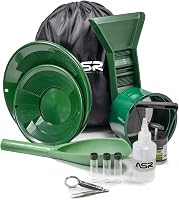
How to Make a Black Sand Magnet
A DIY black sand magnet needs a strong magnet inside a sealed cover with a handle. Move it through dry concentrate, lift the magnetic sand, and slide the cover off to release it.
On this page (9 sections)
- What do you need for a DIY black sand magnet?
- How do you make a DIY black sand magnet?
- How should you prepare gold concentrate first?
- Should you use the magnet on wet or dry sand?
- How do you remove black sand without losing gold?
- Can a pump help with a wet concentrate setup?
- Is sand attracted to a magnet?
- How do you improve and care for the homemade tool?
- What is the safest way to finish the separation?
A DIY black sand magnet is a covered magnet with a handle. It lifts magnetic sand from gold concentrates so you can remove dark grains without picking at them by hand.
The cover is the key part. A thin plastic sleeve, bag, or small container keeps the magnet clean, and sliding it off over a waste container releases the sand in one piece.
Black sand often contains magnetite, which responds strongly to a magnet. Gold does not respond the same way, so magnetic separation can reduce dark material before final panning.
Removing magnetic grains first leaves a smaller pile that is easier to spread and inspect. That matters when fine gold is mixed through heavy concentrate and hard to see.
The tool suits prospectors who already classify and pan material and want faster cleanup. It also suits beginners who want a low cost way to learn how magnetic and nonmagnetic grains behave.
It works best on dry or drained concentrate in a thin layer. Wet clumps can hold grains together and make the magnet less precise.
A handle keeps your fingers out of the concentrate and gives better control. Hold the tool low, move it slowly, and lift straight up after each pass.
What do you need for a DIY black sand magnet?
You need a strong magnet, a thin removable cover, and a handle or holder. A plastic sleeve, small sealable bag, or smooth container can cover the magnet, while a handle keeps your fingers away from wet concentrate.
Choose a cover that fits closely but still slides off. A loose cover may let sand collect around the magnet, while a thick cover weakens the magnetic pull.
You can also use a short stick, plastic handle, or taped grip. Keep the magnet secure so it cannot fall into the concentrate or become difficult to remove.
Before building anything, learn is black sand magnetic so you know why some dark grains move toward the magnet while others remain behind.
How do you make a DIY black sand magnet?
Put the magnet inside its cover, attach a handle, and seal the opening around the handle. The goal is a tool that lifts magnetic sand but releases it with one quick motion.
- Pick a magnet that fits inside a thin plastic cover.
- Slide the magnet into the cover or place it inside a small container.
- Attach a handle with tape, cord, or a tight-fitting holder.
- Check that the magnet cannot slip out during use.
- Test the tool over a waste container before working over valuable concentrate.
- Remove the cover over a separate container to drop the black sand.
Keep the cover smooth and free of tears. Replace it if it splits, because exposed magnetic sand can cling to the magnet and mix with later material.
A simple handle also makes repeated passes easier. Hold the tool low over the concentrate and move it slowly so you collect magnetic grains without sweeping away lighter material.
How should you prepare gold concentrate first?
Classify and pan the material before using a black sand magnet. Removing large stones and excess gravel gives the magnet a smaller, more useful layer of concentrate to process.
A classifier helps separate oversized material before panning. The SE Gold Prospecting-Sifting-Panning is a 13.25 in wide stackable classifier with a 1/12 in stainless steel mesh opening.
Its stackable shape can save storage space, and its green plastic body is lightweight. The 0.08 in mesh opening suits readers who want to screen smaller material before checking the remaining concentrate.
Use the classifier over a bucket or pan so small material stays contained. Rinse the stainless steel mesh after use and allow it to dry before storage.
For a wider look at the tools used before separation, see this guide to gold panning equipment.
Should you use the magnet on wet or dry sand?
Dry concentrate is usually easier to work with because magnetic grains separate without clumping. Spread a thin layer on a tray, sheet, or pan and let excess water drain before making magnetic passes.
Wet material can still respond to a magnet, but water may hold fine grains together. If you work wet, use shallow layers and make several gentle passes instead of pulling the magnet through a deep pile.
A green plastic gold pan can help you spread and inspect concentrate. The SE 14 Inch Gold Panning Pan has dual riffles, a 1/8 in base pan, and a plastic body that will not rust or interfere with magnet use.
Use the deeper 1/4 in riffles for larger sediment and the micro riffles for finer sediment and black sand. The color can make gold flakes easier to see against the pan, while the plastic construction keeps the tool light.
Hand wash the pan after use. Do not assume every dark grain is magnetic, so inspect the material left behind before discarding it.
How do you remove black sand without losing gold?
Make short passes, lift the magnet, and check the concentrate after every pass. Keep the covered magnet just above or lightly against the material rather than stirring deeply.
Hold the tool over one side of the pan and move it across the top layer. Lift it straight up, move it over a waste container, and slide the cover away from the magnet.
Repeat this process until the visible magnetic material is reduced. Then spread the remaining concentrate and inspect it under good light before calling the separation complete.
This method works because the magnet removes magnetic grains, not gold. For a fuller explanation, read how a black sand magnetic separator works.
Do not throw away the first magnetic portion immediately if the material contains fine gold. Keep it in a labeled container until you have checked it with another separation method.
Can a pump help with a wet concentrate setup?
A manual pump can help move water away from a small work area, but it is not a black sand separator. The SeaSense Hand Bilge Pump is a self-priming manual pump with a removable 24 in x 36 in hose for water removal.
Its plastic construction and removable hose suit basic water-removal tasks where no powered pump is available. Use it only for moving water, not for pulling concentrate through the magnet or replacing a classifier.
The pump is 27.13 in high and weighs 1.8 lb. Keep the hose and handle clear of valuable material so water does not carry fine gold away from your work area.
Is sand attracted to a magnet?
Some sand is attracted to a magnet, but ordinary sand is a mixture of different minerals. Magnetic grains move toward the magnet while quartz and other nonmagnetic grains stay behind.
Read is sand attracted to a magnet for the difference between magnetic minerals and sand that only looks dark. Color alone cannot tell you whether a grain will respond.
A strong response usually points to magnetite. A weak or absent response does not prove there is no gold, because gold can remain with nonmagnetic grains.
The magnet only pulls grains that respond to it. It does not sort gold from quartz or other nonmagnetic material.
Use the magnet in short passes over dry or well drained concentrate. Spread a thin layer in a pan, lift the covered magnet, release the load over a waste container, and inspect the pile before the next pass.
If material stays wet, grains may clump and resist separation. Let excess water drain, work in shallow layers, and rinse and dry the cover before storage.
How do you improve and care for the homemade tool?
Keep the magnet covered, the handle tight, and the work area organized. A damaged cover can contaminate the magnet and make each cleanup pass slower.
Rinse the outer cover after use if it becomes muddy. Dry it fully before storage, and keep the magnet away from sensitive items that could be affected by strong magnetic force.
Label containers for magnetic sand, nonmagnetic concentrate, and material awaiting inspection. This simple system prevents an accidental discard from becoming permanent.
If you want more homemade tools, use this guide to DIY gold prospecting equipment for ideas that support classification, panning, and cleanup.
Check local rules before carrying or using magnets in public waterways. Is magnet fishing illegal? explains why access rules and site restrictions matter.
What is the safest way to finish the separation?
Finish by panning the remaining concentrate and inspecting both portions. A DIY black sand magnet reduces magnetic material, but it does not replace careful recovery work.
Keep the magnetic material separate until you confirm it contains no valuable particles. Work over a tray or pan, avoid deep passes, and use a covered magnet that releases sand cleanly.
Choose the SE classifier when oversized material is slowing your work. Choose the SE pan when you need a light plastic pan with two riffle types.
Use the SeaSense pump only when water removal is part of your setup.
For a DIY black sand magnet, the best decision rule is simple: build a covered tool that lifts magnetic grains, remove them in small passes, and inspect everything before disposal.
Frequently asked questions
What magnet should you use for black sand?
Use a strong permanent magnet that fits inside a sealed plastic bag, sleeve, or small container. The cover keeps black sand from sticking directly to the magnet and makes cleanup easier.
Choose a shape you can move through concentrate without disturbing the gold too much.
Can a black sand magnet separate gold from sand?
A black sand magnet separates magnetic minerals, mainly magnetite, from nonmagnetic material. Gold itself is not attracted to the magnet, so remove black sand in small passes and inspect the remaining concentrate for fine gold before discarding anything.
How do you clean a black sand magnet?
Place the magnet inside a thin removable cover before using it. Lift the cover away from your clean concentrate, hold it over a separate container, and slide the cover off the magnet so the black sand drops without touching the magnet.
Does a black sand magnet remove all black sand?
No. A magnet removes magnetic black sand, but some dark minerals are not magnetic and will remain.
Work slowly, use dry material when possible, and pan or inspect the nonmagnetic concentrate so you do not mistake color for composition.