
Can a Metal Detector Detect Copper? Facts to Know
Yes, a metal detector can detect copper. Most standard metal detectors are designed to find a wide range of metals, and copper is one of them. You’ll need to consider the type of detector and its settings for the best results.
Copper is a non-ferrous metal, meaning it doesn’t contain iron. This makes it detectable by most all-purpose metal detectors. Some detectors have specific settings that can help you distinguish copper from other metals, like iron or aluminum. Understanding your detector is key to finding copper.
- Metal detectors can absolutely find copper.
- Most detectors work for copper because it’s non-ferrous.
- Detector settings can help pinpoint copper signals.
- Know your detector’s capabilities for best results.
Let’s get into the specifics of how your metal detector handles copper and what you can expect to find.
Here’s the main body content for your blog post:Understanding Your Metal Detector’s Capability with Copper
So, can your metal detector find copper? The short answer is almost always yes. Most metal detectors are built to find a wide array of metals, and copper fits right into that category. It’s a conductive metal, which is exactly what these devices are designed to pick up on.
Think of your metal detector like a magnet, but for all sorts of metals, not just iron. It sends out an electromagnetic field. When this field hits a metal object, it creates a response. Your detector then translates that response into a signal, often an audible tone or a visual reading on a screen. Copper objects create a distinct response that most detectors can register.
Why Copper is Detectable by Most Machines
The key to copper detection lies in its properties. Copper is a non-ferrous metal. This means it doesn’t contain iron. Many everyday metal objects, like old nails or discarded cans, are made of iron or steel. These tend to produce a different type of signal than non-ferrous metals.
Metal detectors are often designed with different settings to help you differentiate between these types of signals. This is especially helpful when you’re out searching. You want to be able to distinguish potentially valuable targets, like copper coins or jewelry, from junk metal that might be lying around.
Non-Ferrous vs. Ferrous Metals
We found that understanding the difference between ferrous and non-ferrous metals is fundamental to metal detecting. Ferrous metals, such as iron and steel, are magnetic. They react strongly to magnetic fields. Metal detectors can often identify these, but they might be filtered out by certain settings if your goal is to find non-ferrous items.
Non-ferrous metals, on the other hand, are not magnetic. This group includes copper, aluminum, silver, and gold. Because they conduct electricity well, they create a strong signal response when hit by a metal detector’s electromagnetic field. This makes them prime targets for detection.
Types of Metal Detectors and Their Copper Sensitivity
The type of metal detector you have plays a role. Basic, entry-level detectors are usually designed for general metal detecting. They will detect copper just fine. More advanced models offer greater control and discrimination capabilities. These can help you filter out unwanted signals, like iron trash, and focus on specific types of metals, including copper.
VLF Detectors
Very Low Frequency (VLF) detectors are the most common type you’ll find. They are excellent for general searching and are very capable of detecting copper. They work by transmitting a signal into the ground and then listening for the returning signal from metal objects. We found that VLF detectors can often provide detailed information about the target’s composition, helping you identify copper.
Pulse Induction (PI) Detectors
Pulse Induction detectors are known for their power and ability to perform in challenging conditions, like saltwater beaches or areas with highly mineralized soil. They send out pulses of magnetic energy. While they are fantastic at detecting deeply buried objects and ignoring mineralized ground, they sometimes have less ability to discriminate between different types of metals. However, they will certainly detect copper.
Multi-Frequency Detectors
These are the high-tech options. Multi-frequency detectors transmit multiple frequencies simultaneously or can switch between frequencies. We found this allows them to adapt to different ground conditions and target types. They are often very sensitive to small targets and can provide excellent discrimination, making them superb for pinpointing copper among other metals.
How Your Detector Signals Copper
When your metal detector finds copper, it will usually give you a clear indication. The way it does this depends on the detector’s technology and settings. It’s like your detector is speaking a language, and you need to learn to understand its words.
Audio Tones
Many detectors use different audio tones to represent different types of targets. For instance, a detector might emit a high-pitched tone for valuable non-ferrous metals like copper or silver, and a lower-pitched tone for iron. You’ll learn to associate these tones with specific findings as you use your detector more.
For example, you might get a bright, ringing sound when you sweep over a copper coin. This is distinct from the dull thud you might hear over a rusty nail. Many users find that practicing in their yard with known targets can help them master these audio cues.
Visual Indicators
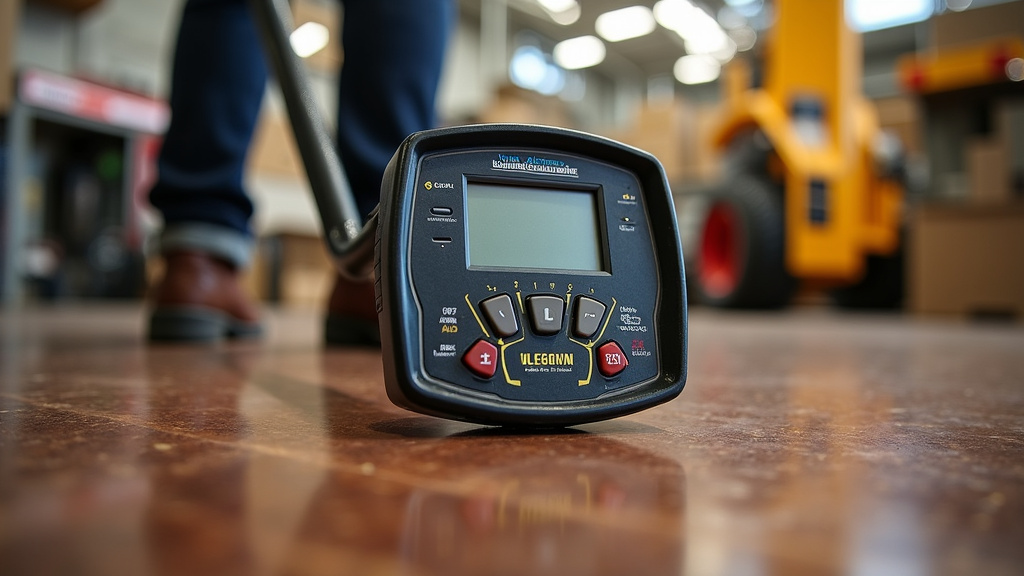
Modern detectors often come with a digital display. This screen can show you a number or a graphic that represents the conductivity or probable metal type of the target. Copper often registers in a specific range on these displays. We found that users often rely on both audio and visual cues for the most accurate identification.
Some displays might show a “target ID” number. Copper items tend to fall into a certain numerical range. It’s helpful to consult your detector’s manual to see where copper typically falls on its specific scale. This can take some practice, but it’s a powerful tool.
Discrimination Settings Explained
Discrimination is a feature that allows your detector to ignore certain types of metal. You might set your detector to ignore iron, for instance, so you don’t dig up every rusty bit of metal. When you’re looking for copper, you’ll want to adjust your discrimination settings carefully.
Setting the discrimination too high can accidentally filter out copper signals. It’s a balancing act. Many experts suggest starting with low discrimination settings and increasing them gradually if you’re being overwhelmed by iron trash. You want to allow enough sensitivity to catch copper while reducing unwanted noise.
Where to Find Copper with Your Metal Detector
Copper is all around us, sometimes in surprising places. Knowing where to look can make your detecting hobby more rewarding. Think about where copper items might have been lost, discarded, or even buried intentionally.
Historical Sites and Old Homes
Areas around old homes, homesteads, and historical sites are prime locations. People have used copper for centuries. You might find old copper coins, buttons, buckles, or even fragments of copper wiring or plumbing from older structures. We found that these locations often require permission and careful research into local laws regarding artifact hunting.
Parks and Recreational Areas
Public parks, beaches, and picnic spots are magnets for lost items. People often drop coins, jewelry, or other small metal objects while enjoying these areas. Copper coins are quite common, and you might also find copper charms or clasps from jewelry. Remember to always check park rules about metal detecting.
Waterways and Beaches
Rivers, lakes, and especially beaches can be great places to find copper. Items lost in or near water can be washed ashore or buried in the sand. Copper coins, rings, and even fishing lures can turn up. If you’re detecting in saltwater, a detector designed for that environment will work best.
Tips for Maximizing Your Copper Finds
Finding copper is exciting, but a few smart strategies can boost your success. It’s all about preparation and knowing how to use your tool effectively. You’re not just swinging a detector; you’re employing a system.
- Know Your Detector: Read your manual thoroughly. Understand its settings, tones, and target ID numbers.
- Practice, Practice, Practice: Bury different types of metal objects (including copper) in your yard and practice detecting them.
- Start with General Settings: Unless you’re experienced, begin with less aggressive discrimination settings to avoid missing copper.
- Listen and Look: Pay attention to both the audio signals and any visual cues your detector provides.
- Dig Carefully: Once you get a signal, use a pinpointing tool to isolate the target before digging.
Consider this a mini-checklist for your next outing:
- Downloaded detector manual?
- Charged detector battery?
- Target ID chart handy?
- Small shovel and pinpointer ready?
- Water and snacks packed?
- Respecting local regulations?
Conclusion
You’ve learned that your metal detector is indeed capable of finding copper. Because copper is a non-ferrous metal, most detectors can easily pick up its signal. The key to successful copper hunting lies in understanding your specific detector’s capabilities and settings, from VLF to multi-frequency models. Learning to interpret audio tones and visual indicators will help you distinguish copper from other targets. With a little practice and by targeting likely locations, you’re well-equipped to find copper! Explore the interesting history of metal detecting to understand its evolution.
Your next step? Grab your detector, read its manual, and head out to practice those audio cues in a familiar spot!
Frequently Asked Questions
Will my beginner metal detector find copper?
Yes, beginner metal detectors are generally designed to detect a wide range of metals, including copper. Since copper is a non-ferrous metal, it creates a clear signal that most basic detectors can register without issue.
What’s the best metal detector setting for finding copper?
To find copper, you’ll want to use a setting that doesn’t overly discriminate against non-ferrous metals. Start with lower discrimination settings to avoid filtering out copper signals, and pay close attention to the audio tones or target ID numbers.
Can a metal detector detect old copper coins?
Absolutely. Old copper coins are very detectable. Their size and copper content create a strong signal that most metal detectors can easily locate, especially in areas where people have gathered historically.
Why does my detector make different sounds for different metals?
Metal detectors use different audio tones to help you identify potential targets. High-pitched tones often indicate non-ferrous metals like copper or silver, while lower tones might signal ferrous metals like iron. Learning these tones improves your detecting accuracy.
Are copper wires detectable underground?
Yes, copper wires buried underground are detectable by metal detectors. Their conductivity allows them to create a strong electromagnetic response. Depending on the depth and the detector’s sensitivity, you can often pinpoint their location.