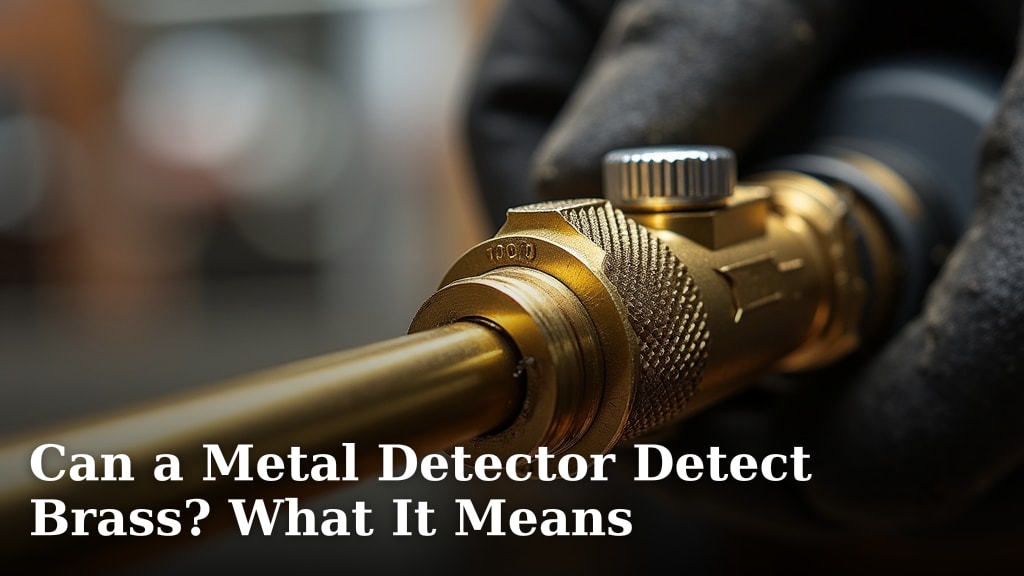
Can a Metal Detector Detect Brass? What It Means
Yes, a metal detector can detect brass. Most modern metal detectors are designed to pick up on non-ferrous metals like brass, which contains copper and zinc. You just need to understand how your detector works and what settings to use to find it.
Brass is often found in coins, jewelry, and historical artifacts. Knowing that your metal detector can find brass opens up more possibilities for your treasure hunts. It’s a common metal you’ll encounter underground.
- Most metal detectors can find brass.
- Brass is a non-ferrous metal.
- Detectors look for changes in electrical signals.
- Brass creates a predictable change.
- You might find old coins or jewelry.
Let’s dive into why your metal detector can find brass and what that means for your detecting hobby.
Understanding Brass and Metal Detectors
Can your metal detector find brass? The short answer is yes. Most modern metal detectors are designed to detect a wide range of metals, and brass is definitely on that list. You might be wondering how this works. It all comes down to how metal detectors operate and the properties of brass itself.
Think of your metal detector as a sophisticated tool that listens for changes in the earth’s magnetic field. When you swing it over an area, it sends out an electromagnetic signal. If this signal hits a piece of metal, it creates a small electrical current within that metal. This current then generates its own magnetic field, which your detector picks up. Brass, being a metal, will certainly cause this reaction.
What Exactly Is Brass?
Before we go deeper, let’s clarify what brass is. It’s an alloy, meaning it’s a mixture of metals. Primarily, brass is made from copper and zinc. The exact proportions can vary, which affects the brass’s properties. Sometimes, other metals like lead or tin are added in small amounts to give it specific characteristics.
The key thing to remember about brass for metal detecting is that it’s a non-ferrous metal. This means it doesn’t contain iron. Iron is ferromagnetic, meaning it’s strongly attracted to magnets and behaves differently in an electromagnetic field than non-ferrous metals. Most detectors are tuned to pick up on both types, but understanding the difference helps you interpret signals.
How Metal Detectors Identify Brass
Metal detectors work by measuring changes in electrical conductivity and magnetic permeability. When your detector’s coil sends out an electromagnetic pulse, it interacts with the metal object it encounters. For brass, this interaction creates a specific type of response that the detector’s circuitry interprets.
Different metals produce different signals. Your detector has built-in discrimination settings. These settings help it differentiate between types of metal. For instance, you might be able to tell the difference between a rusty iron nail and a brass coin. The electrical conductivity and magnetic properties of brass allow it to be picked up reliably.
Conductivity and Brass
Brass has good electrical conductivity. This means that electrical currents can flow through it easily. When your detector’s signal hits the brass, it induces eddy currents within the metal. The stronger the conductivity, the stronger these eddy currents will be. A strong eddy current typically results in a clearer, more distinct signal for your detector to register.
Inductance and Brass
Inductance is another property that metal detectors use. It relates to how easily a material can be magnetized or how it affects a magnetic field. Brass has a specific inductance value. Your detector is programmed to recognize these values. When it encounters brass, it’s like the detector is checking off a box on its list of known metallic signatures.
Where You Might Find Brass When Detecting
Knowing that your detector can find brass opens up exciting possibilities for what you might uncover. Brass has been used for centuries in a variety of items. This means your metal detecting adventures could lead you to some interesting historical finds, not just modern trash.
Coins: Old and New
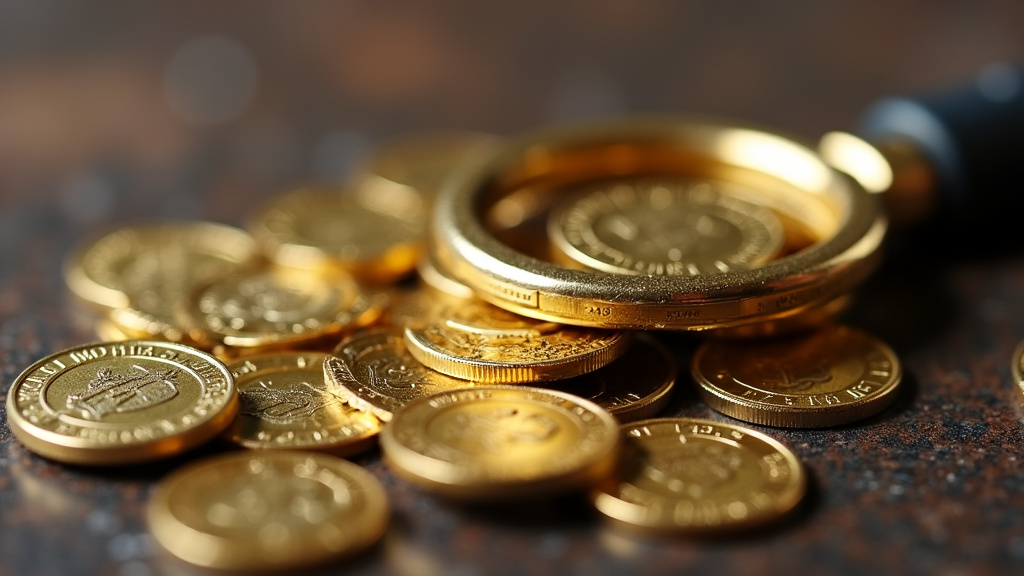
Many coins, both historical and contemporary, are made from brass or brass alloys. Older pennies in the United States, for example, were made of bronze (which contains copper and tin), and later versions contained a higher percentage of copper. However, many other countries have used brass extensively for their coinage. Modern circulating coins in countries like the UK and Canada often contain brass.
You might also find tokens or casino chips that are made of brass. These can be small treasures in themselves, especially if they are old. The distinctive color of brass can sometimes help you identify a find even before you dig it up.
Jewelry and Accessories
While precious metals like gold and silver are more commonly sought after in jewelry, brass is often used for fashion jewelry, costume jewelry, and decorative elements. You might find brass earrings, pendants, bracelets, or even parts of belt buckles and clasps. These items can be quite old, offering a glimpse into past fashion trends.
Sometimes, you might find components of jewelry that are not the main part. Think of beads, charms, or decorative filigree. These smaller pieces can still provide a satisfying find, especially if they are part of a larger collection of items.
Historical Artifacts and Relics
This is where detecting brass can get really exciting. Brass was widely used in the manufacture of various historical items. This includes:
- Buttons: Military buttons, uniform buttons, and clothing buttons from various eras are often made of brass.
- Buckles: Shoe buckles, belt buckles, and harness buckles frequently used brass.
- Household items: Small decorative items, drawer pulls, candlesticks, and even parts of musical instruments can be brass.
- Tools and hardware: Small tools, fittings, and decorative hardware on furniture or trunks might be brass.
- Military relics: Parts of firearms, ammunition casings (though these are often other metals too), and insignia were sometimes made from brass.
Finding a brass button from a Civil War uniform or a decorative buckle from a Victorian era shoe can be a truly special discovery. These items connect you directly to history.
Optimizing Your Detector for Brass
So, your detector can find brass, but how do you make sure you’re not missing it? It often comes down to understanding your detector’s settings. Every detector is a little different, so consulting your manual is always a good first step.
Sensitivity Settings
Sensitivity controls how deep your detector can reach and how small of an object it can pick up. If you have your sensitivity set too low, you might miss smaller brass items like thin jewelry or old coins. Conversely, setting it too high can lead to false signals from mineralized soil or electrical interference.
Generally, you want to run your detector at the highest sensitivity level that allows for stable operation without excessive chatter. This ensures you’re getting the best possible depth and detection of smaller targets.
Discrimination Settings and Brass
Discrimination is what allows you to filter out unwanted targets, like iron nails or foil. Brass typically registers as a mid-range target on most detectors. This means it often falls into a category that you might want to hear.
If you’re trying to find brass, especially older items, you might want to be careful with your discrimination settings. Setting discrimination too high could filter out brass targets along with iron. Many detectorists prefer to run with very low discrimination or in “all-metal mode” when searching for historical artifacts, as this ensures they hear everything.
Understanding Target IDs
Many modern detectors provide a Target ID number or a tone that corresponds to the type of metal detected. Brass targets usually fall into a specific range. For example, a common US nickel (which has some copper and is a non-ferrous metal) might register in the 30-40 range on a VDI scale. Brass items often fall into similar mid-range numbers. You’ll learn to associate these numbers with different types of targets through practice.
It’s helpful to get a feel for what your detector sounds like when it hits common targets. Digging up a variety of items, even trash, helps you learn your machine’s responses. You’ll start to recognize the tell-tale sound or number associated with brass.
Using the Right Search Coil
The search coil is the part of your detector that sends and receives signals. Different coil sizes and types can affect your detection capabilities. Smaller coils are generally better for pinpointing tiny targets and operating in trashy areas.
Larger coils can detect targets deeper and cover more ground faster. For finding brass artifacts, especially if you suspect they might be deeper, a larger coil might be beneficial. However, if you’re hunting in an area with a lot of surface clutter, a smaller coil might be more effective at isolating signals.
What Brass Signals Mean for Your Finds
The ability of your metal detector to find brass is a great thing for hobbyists. It expands the range of historical items and potential treasures you can uncover. Understanding how your detector handles brass means you can tune your settings to maximize your chances of finding these non-ferrous targets.
When you get a signal that your detector indicates might be brass, it’s time to get to work. Digging carefully and recovering the target is part of the fun. What you find could be anything from an old coin to a piece of forgotten history.
Here’s a quick checklist for your next outing:
- Check your metal detector’s manual for brass target IDs or tones.
- Run your sensitivity at the highest stable setting.
- Be cautious with discrimination; avoid filtering out mid-range targets.
- Practice identifying different target sounds and numbers.
- Consider coil size based on your hunting area.
- Dig carefully to recover your finds.
Conclusion
You’ve learned that your metal detector is indeed capable of finding brass. This means your detecting adventures can uncover more than just iron objects. Brass is a non-ferrous metal with unique properties that detectors can pick up. Understanding its conductivity and inductance helps you interpret signals better. From old coins to historical buttons, brass finds add exciting new possibilities to your hobby. Now, you can fine-tune your detector settings and head out with confidence, ready to discover the brass treasures waiting beneath the surface.
Frequently Asked Questions
Will a metal detector detect brass jewelry?
Yes, most metal detectors can detect brass jewelry. While often considered costume jewelry, brass has metallic properties that your detector is designed to find. You may need to adjust your sensitivity and discrimination settings to pick up smaller brass items.
Can I find old brass coins with my metal detector?
Absolutely. Many historical coins were made from brass or brass alloys. If your detector is set up correctly, particularly with discrimination settings that don’t filter out mid-range targets, you have a good chance of locating old brass coins.
Why does my metal detector give different signals for different metals?
Metal detectors work by sending out an electromagnetic field and detecting how metals alter that field. Different metals, like iron and brass, have unique electrical conductivity and magnetic properties. This causes them to create distinct signals or Target IDs that your detector can differentiate.
What does it mean if my detector sounds like iron but isn’t?
Sometimes, certain brass items can produce signals that might seem similar to iron, especially if they are small or deep. This is why it’s helpful to dig up a variety of targets to learn your detector’s specific tones and Target IDs for different metals.
Should I turn off discrimination to find brass?
It’s often recommended to use low discrimination or an all-metal mode when specifically looking for historical items like brass artifacts. High discrimination settings can filter out valuable non-ferrous targets, including brass, along with junk metals like iron.