Facts About Metal Detecting: A Straight Answer
Metal detecting is a popular hobby where you use an electronic device to find hidden metal objects underground. It’s a real-world treasure hunt that combines technology, patience, and a bit of luck.
We found that successful metal detecting relies on understanding your local laws, choosing the right equipment, and learning to read the signals your machine gives you. It’s less about instant riches and more about the excitement of the search and the stories behind what you find.
- Metal detecting is the search for metal objects using a handheld electronic device.
- You need to know the rules and permissions for where you want to search.
- Basic equipment includes a detector, a digging tool, and headphones.
- Common finds include modern coins, jewelry, and historical relics.
- Patience and practice are key to improving your skills.
Below, we break down the essential facts about metal detecting, from getting started to making your first find.
What Metal Detecting Actually Is
At its core, metal detecting is the use of a portable electronic device to locate metal objects buried underground. Think of it like a metal puzzle you solve with technology. The machine sends an electromagnetic field into the ground. When this field hits metal, it creates a signal. Your detector picks up that signal, and you get an alert—usually a beep or a visual readout.
This isn’t a random guess. The science is based on **electromagnetic induction**. A search coil in the detector emits a field. When metal disrupts that field, it induces a small electrical current. The detector’s computer processes this information. It tells you the target’s likely depth and even its type. Many modern machines can distinguish a bottle cap from a coin before you dig a single hole.
How the Different Types of Detectors Work
Not all detectors are built the same. The technology inside determines what you can find and where you can search. We found that understanding these basic types helps you pick the right tool for the job.
| Detector Type | Best For | How It Works (Simplified) |
|---|---|---|
| Very Low Frequency (VLF) | Parks, yards, and general coin hunting. It’s the most common type for beginners. | Uses a continuous wave of two frequencies to see depth and conductivity. Great for distinguishing different metals. |
| Pulse Induction (PI) | Beach hunting and saltwater environments. Also good for finding deeply buried large objects. | Sends powerful, short pulses of current into the ground. Less good at telling metals apart, but sees deeper and ignores mineralized salt. |
| Multi-Frequency | Advanced hunting on challenging ground. Offers the best of both worlds. | Uses multiple frequencies at once to get more target information. This helps identify targets with higher accuracy. |
The Role of the Search Coil
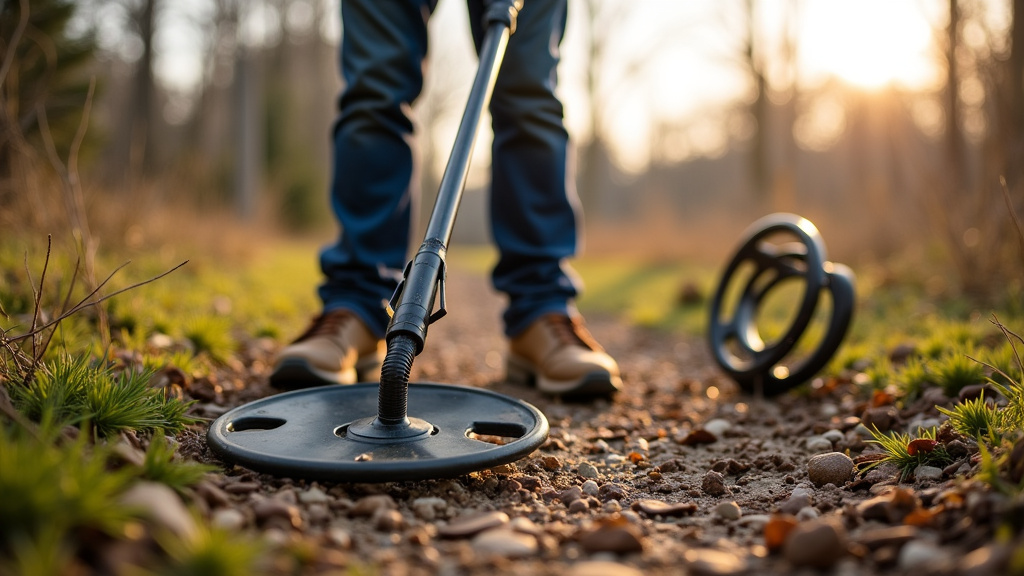
The round part at the end of your detector is the **search coil**. It’s the transmitter and receiver. Size matters here. A larger coil covers more ground and goes deeper. However, it’s heavier and less precise in trashy areas. A smaller coil is lighter and can better separate good targets from junk. For most beginners, a 10- to 11-inch round coil is a perfect starting point.
The Golden Rule: Permission is Everything
Before you even turn on your machine, you need to know *where* you can legally search. This is the most important fact about metal detecting. Ignoring this rule can lead to fines or having your equipment taken. We found that research and found clear guidelines from organizations like the American Automobile Association stress checking local and national rules first.
Public vs. Private Land
On **public land** (like city parks or beaches), rules vary by city, county, and state. You often need a permit. Some parks ban detecting entirely to protect historic sites. You must call your local parks department to ask.
On **private property**, you **must** have explicit, written permission from the landowner. A friendly conversation is key. Explain what you’re doing. Many people are happy to help if you promise to fill your holes and show them what you find.
A Simple Permission Script
“Hi, my name is [Your Name]. I’m a hobbyist who enjoys searching for lost coins and jewelry with a metal detector. Would you be open to me searching your property sometime? I would fill all my holes, leave the place better than I found it, and would be happy to show you anything interesting I uncover.”
Your Essential Metal Detecting Kit
You don’t need a truck full of gear to start. The core kit is simple and affordable. Think of it as your treasure hunting uniform.
- Metal Detector: This is your main tool. A reliable entry-level detector from a known brand is perfect for learning.
- Headphones: Crucial for hearing faint signals from deep or small targets. They also keep you from bothering others in quiet parks.
- Digging Tool: A small trowel or a specialized “digger” knife. You need to cut neat plugs in the grass to preserve the turf.
- Finds Pouch: A belt pouch for your good finds. Keep your trash (pull tabs, foil) in a separate pocket to clean up the area.
- Knee Pads or Gloves: Optional, but your knees and hands will thank you after a day of digging and kneeling.
What to Look for in Your First Detector
Don’t get overwhelmed by features. As a beginner, you want a machine that is **reliable, easy to use, and adjustable**. Look for models with good discrimination settings. This helps you filter out common trash like iron nails and pull tabs. Many experts say you should set a budget and stick to it. Good, used detectors from reputable brands are also a smart way to start.
Reading the Signals: What Your Detector Is Telling You
Your machine speaks in beeps and numbers. Learning this language is the real skill. The most basic feedback is the audio tone. A low, grumbly sound often means iron trash. A sharp, high-pitched “ding” usually signals a good conductor like a silver coin or jewelry.
Most detectors also show a **Target ID (TID) number** on a screen. This number correlates to the metal’s conductivity. For example, a quarter might ring up as 85, while a zinc penny might be 78. There is no universal numbering system, but within your own machine, you will learn what numbers correspond to good finds in your area. The key is to practice in your yard first. Bury some known coins at different depths and learn their signals.
The Concept of Depth and Size
A small, deep coin will produce a fainter signal than a large, shallow can. Your detector’s signal strength gives you a hint about depth. As a rule, a 10-inch coil will reliably find a coin about 8-10 inches deep. Anything deeper is a bonus. Remember, ground conditions like mineralization and soil wetness can affect depth performance.
The Reality of What You Will Find
Let’s be honest. If you go out expecting to find gold coins and ancient artifacts, you will be disappointed. The reality of the hobby is different, and understanding it makes it more fun.
The Most Common Finds
For the average hobbyist in a suburban area, the **modern clad coin** is your bread and butter. You will find a lot of pennies, nickels, dimes, and quarters. These are still real money! You’ll also find lots of modern jewelry, often stainless steel or plated. And you will find trash—pull tabs, foil, and bottle caps. This is normal.
The Special Finds
With time, you will get lucky. The **silver dime or quarter** from the 1960s or older is a thrill. Older wheat pennies, mercury dimes, or buffalo nickels tell a story. If you hunt in historically significant areas, you might find relics: old buttons, buckles, or military items. These are the finds that connect you to the past.
Developing the Mindset: Patience and Practice
Metal detecting is a marathon, not a sprint. The **patience** to swing your coil slowly and methodically is vital. Most of your time will be spent walking and searching, not digging. Practice is how you get good. We found that practicing in your own yard first builds your skills without the pressure of a public park.
The Art of the Grid
To search an area thoroughly, use a grid pattern. Swing your coil in overlapping lines, moving forward a few feet at a time. This ensures you don’t miss spots. It’s slow and boring-looking, but it’s how you find the deep, old items others have walked right over. Think of it like mowing a lawn—you want to cover every inch.
Learning from Trash
Don’t be discouraged by digging trash. Every pull tab you dig teaches your detector where it *isn’t*. You learn how that specific trash item sounds in your area. Soon, you can adjust your discrimination to ignore it. But start with discrimination low. You never know when a 14k gold ring will ring up just like a pull tab!
Your Getting-Started Checklist
Ready to begin? Here’s a simple, actionable list to launch your hobby the right way.
- ☐ Research and understand the laws for detecting in your specific local area.
- ☐ Set a realistic budget for your first detector and essential gear.
- ☐ Purchase a reliable entry-level detector with good discrimination.
- ☐ Practice identifying targets (coins, trash) in your own backyard first.
- ☐ Join an online forum or local club to learn from experienced hunters.
- ☐ Always carry a trash bag to clean up junk you dig—be an ambassador for the hobby.
Metal detecting offers a unique mix of outdoor activity, history, and technology. It rewards preparation and persistence. The stories you create and the simple joy of discovery are the true treasures. Your adventure starts with a single swing of the coil.
Conclusion
You now have a straight answer on metal detecting. It’s a rewarding hobby that blends technology, patience, and outdoor exploration. Remember, **your success starts with respecting local laws** and getting proper permission. Choose an entry-level detector you can learn, and practice reading its signals. Understand that you’ll find more modern coins and trash than gold at first, and that’s perfectly normal. The real treasures are the stories, the history, and the skill you build over time. Your best next step is simple: practice identifying targets in your own backyard. Once you’re comfortable, grab your digging tool, check the rules for a nearby park, and start your first real hunt.
Frequently Asked Questions
Is metal detecting expensive to start?
It doesn’t have to be. A reliable, entry-level detector with basic accessories typically costs between $200 and $400. You can start with just a detector, digging tool, and headphones. Many people begin this way before investing in more advanced gear.
Where is the best place for a beginner to go metal detecting?
We recommend starting at a local park or public beach where detecting is allowed. These areas often have modern coins lost by visitors. Always check for and follow any posted rules or permit requirements for the specific location.
How long does it take to get good at finding valuable items?
It depends on your practice and location. Most people start finding modern coins consistently within their first few outings. Finding older, more valuable items like silver coins requires patience, knowledge of historical sites, and often many hours of searching.
What’s the biggest mistake new detectorists make?
The most common mistake is not researching local laws first. Digging on restricted land without permission can lead to fines or having your equipment confiscated. Always do your legal homework before turning on your machine.
Can I keep everything I find with my metal detector?
It depends on where you are. On public land, you must follow all local regulations, which may require you to leave most items. On private land, you can keep items if the landowner gives you permission. It’s always best to ask and agree beforehand.