Can a Metal Detector Detect Underwater? A Helpful Guide
Yes, many metal detectors can detect underwater. You just need to make sure the detector is specifically designed for submerged use. Standard detectors will likely be damaged by water. Diving with a waterproof detector can lead to some amazing finds.
When looking for underwater metal detectors, think about the depth rating and the type of target you hope to find. Some are made for shallow wading, while others can go deep into lakes or even the ocean. The technology inside these detectors allows them to work effectively through water, which can be a barrier for regular models.
- Yes, metal detectors can work underwater.
- You need a detector specifically built for submerged use.
- Check the depth rating for where you plan to search.
- Waterproof detectors can be used in rivers, lakes, and oceans.
- Not all detectors are waterproof, so check the specs carefully.
Let’s dive into what makes a metal detector suitable for underwater adventures and what you should consider before taking the plunge.
Taking Your Metal Detector Underwater: A Practical Guide
Can your trusty metal detector find treasures beneath the waves? The short answer is yes, but only if it’s the right kind. You can’t just dunk your everyday detector into a lake and expect it to work. Water can be a metal detector’s worst enemy if it’s not built for the job. We’ve researched the ins and outs of underwater metal detecting so you can confidently search lakes, rivers, and even the ocean.
Understanding Underwater Metal Detector Technology
What makes a metal detector ready for a swim? It all comes down to its design and the technology it uses. Regular detectors are not sealed against water. Water can seep in and short-circuit the delicate electronics. Underwater detectors, on the other hand, are built from the ground up to be waterproof. This means they have sealed housings for all their components, including the control box, shaft, and coil.
The Importance of Waterproofing and Depth Ratings
When you’re looking at detectors for underwater use, pay close attention to the waterproof rating. This tells you how deep the detector can go safely. Most manufacturers will clearly state this in the product specifications. Some detectors are only waterproof up to a few feet, making them perfect for wading in shallow streams or the surf.
Others are designed for scuba diving and can handle depths of 50 feet or more. Imagine searching shipwrecks or submerged old piers! It’s important to match the detector’s depth rating to your intended use. Going deeper than recommended could damage the unit, and that’s no fun for anyone.
Types of Underwater Detecting Technologies
Underwater metal detectors often use specialized technology to cut through the water’s interference. Water itself can conduct electricity, which can cause false signals for less advanced detectors. To combat this, many underwater models use Pulse Induction (PI) technology. PI detectors send out pulses of magnetic energy. They then measure the strength and pattern of the returning signal to detect metal. PI technology is known for its ability to ignore saltwater and mineralized ground, which are common underwater challenges.
Another technology you might see is Very Low Frequency (VLF). VLF detectors use two coils: one to transmit a signal and one to receive it. They are good at discriminating between different types of metals, which can be helpful for finding coins and jewelry while avoiding junk. However, some VLF detectors can struggle in highly mineralized water or saltwater. Many modern underwater detectors are hybrids, offering the best of both worlds, or advanced VLF systems designed to handle aquatic environments.
Where Can You Use an Underwater Metal Detector?
The possibilities for underwater metal detecting are exciting! You can search a variety of locations, each with its own potential for hidden finds. Always remember to check local laws and regulations before you start swinging your detector.
Beaches and Coastal Areas
Beaches are a classic spot for metal detecting. People lose jewelry, coins, and other small items all the time. When the tide goes out, it can reveal new areas to search. You can detect in the dry sand, wet sand, and even in the shallow water along the shoreline. A waterproof detector means you don’t have to worry about waves splashing over your equipment.
Coastal areas, like rocky coves or piers, can also be productive. These spots often attract a lot of visitors. Just be sure your detector can handle any underwater hazards like sharp rocks or strong currents. We found that many beach hunters report finding lost wedding rings and antique coins.
Rivers, Lakes, and Ponds
Freshwater environments like rivers, lakes, and ponds are fantastic places to hunt for history. People have been living, traveling, and playing near these waterways for centuries. You might find old coins, tools, fishing lures, or even relics from historical events.
Detecting in rivers can be tricky due to currents. Stick to shallower, calmer areas if you’re not an experienced swimmer or diver. Lakes offer a more stable environment. Ponds, especially older ones on private property, can be surprisingly rich with forgotten items. Many enthusiasts enjoy the peaceful nature of freshwater detecting.
Dive Sites and Shipwrecks
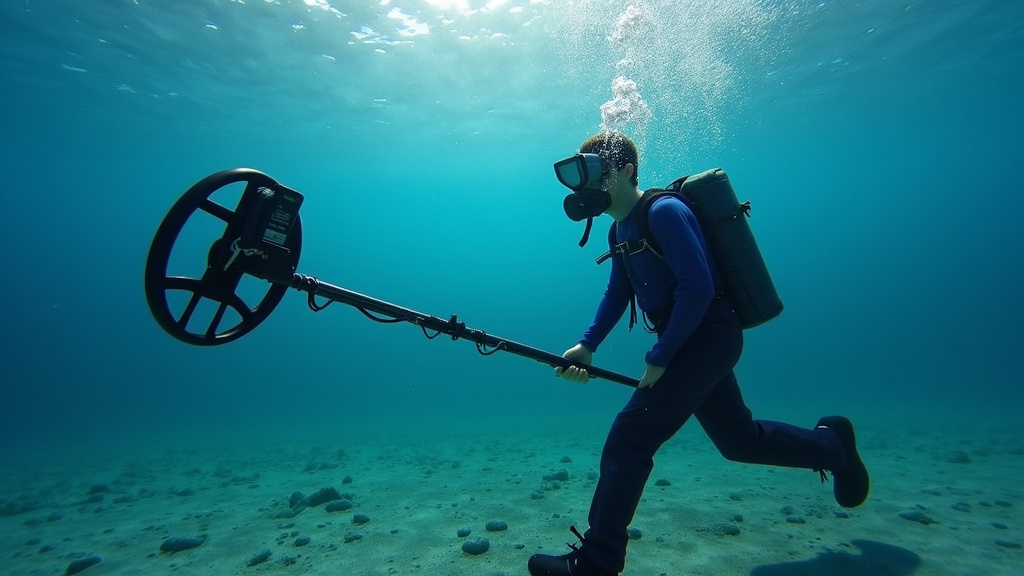
For the more adventurous detectorist, diving in deeper waters can yield truly remarkable finds. This often involves scuba gear and a detector rated for significant depths. Shipwrecks are like time capsules, potentially holding historical artifacts and valuable treasures.
However, **historical sites and shipwrecks are often protected**. It is crucial to research and understand the laws regarding artifact recovery in these areas. Many countries have strict regulations to preserve historical integrity. Always obtain the necessary permits and permissions before exploring these sensitive locations. We found that responsible diving and detecting practices are key.
Key Features to Look For in an Underwater Detector
When you’re ready to buy, what features should you prioritize? It’s not just about being waterproof. Several other factors contribute to a good underwater metal detecting experience.
Waterproof Design and Depth Rating (Again!)
We can’t stress this enough. Make sure the entire detector is waterproof, not just the coil. This includes the control box, headphones (if they’re wired), and any connection points. Check the maximum submersible depth. If you plan to wade, a 10-foot rating is usually plenty. If you want to dive, you’ll need something rated for 50 feet or more.
Frequency and Target Separation
Different frequencies are better for different targets. Lower frequencies (around 5-10 kHz) are great for detecting larger, deeper targets like old coins or relics. Higher frequencies (15 kHz and up) are better for smaller, shallow targets like gold jewelry or thin silver coins. Many underwater detectors operate in a range that balances these needs.
Target separation is also vital. This is the detector’s ability to distinguish between multiple metal objects close together. Underwater, items can get buried in mud or debris, making them close. A detector with good target separation will help you pick out a good target from a junk target nearby. We found that detectors with advanced signal processing offer better separation.
Ease of Use and Ergonomics
You’ll be handling this detector in wet conditions. It should feel comfortable and balanced in your hand. Look for detectors with adjustable shafts to fit your height. The controls should be easy to operate, even with wet hands or gloves. Some detectors have waterproof control panels that can be operated underwater, while others require you to keep the control box above water.
Consider the weight, too. You’ll be swinging it for a while, and being underwater can make things feel heavier. A lightweight design is always a plus. Some models are designed with a submersible control box, allowing you to use the entire unit underwater. Others are waterproof only up to the control box, meaning the coil and shaft are submersible but the electronics aren’t.
Battery Life and Power Source
Long battery life is essential for any metal detector, but especially for underwater use. You don’t want your detector dying halfway through a dive. Rechargeable batteries are convenient, but make sure they can hold a charge for several hours of continuous use. Some detectors use standard AA batteries, which can be easily swapped out in the field if you carry spares.
We found that detectors with lithium-ion batteries tend to offer longer run times compared to older battery technologies. Always check the manufacturer’s estimated battery life under typical operating conditions. It’s a good idea to bring a waterproof bag with spare batteries or a portable charger if you plan for extended outings.
Getting Started: A Quick Checklist
Ready to make a splash? Here’s a quick rundown of what to confirm before you buy:
- Is the entire unit waterproof? Check that the control box, shaft, and coil are submersible.
- What is the maximum depth rating? Ensure it matches your intended use (wading vs. diving).
- What technology does it use? PI or advanced VLF for better underwater performance.
- How long does the battery last? Look for several hours of consistent use.
- Is it comfortable to hold and use? Ergonomics and weight matter for long sessions.
- Are accessories available? Consider waterproof headphones or a submersible control box.
Maintenance for Your Underwater Detector
Once you’ve invested in a waterproof detector, proper care is key to its longevity. After every use in saltwater or even freshwater, it’s important to rinse your detector thoroughly with clean, fresh water. This removes any salt, sand, or mineral deposits that could potentially corrode or damage the seals and moving parts over time.
Pay special attention to the coil and shaft connections. If your detector has any moving parts or adjustment collars, rinse them well. After rinsing, wipe down the detector with a soft, dry cloth. Allow it to air dry completely before storing it. Storing it in a cool, dry place, ideally in a protective case, will help keep it in top condition for many underwater adventures to come.
Conclusion
You’ve learned that metal detectors can indeed detect underwater, but only if they are designed for it. Remember to always check the waterproof rating and ensure the entire unit, not just the coil, can handle the depths you plan to explore. Whether you’re wading on the beach or diving into a lake, the right detector opens up a new world of discoveries. Now that you’re informed, take the plunge and start planning your first underwater detecting adventure!
Frequently Asked Questions
Do I need a special license to use a metal detector underwater?
Generally, you don’t need a license for recreational metal detecting in most public waters. However, laws vary significantly by location. Always research local regulations for beaches, rivers, lakes, and especially protected historical sites or shipwrecks before you go.
Can I use my regular metal detector if I just cover it with a plastic bag?
No, this is not recommended. Standard metal detectors are not built to be waterproof. Even a small leak can damage the electronics, and plastic bags offer very unreliable protection. It’s best to invest in a detector specifically designed for underwater use.
What’s the difference between waterproof and submersible?
Waterproof means the detector can withstand splashes or rain. Submersible means it can be fully submerged in water up to a specified depth. For underwater detecting, you need a submersible detector. Always check the depth rating.
How do I clean my underwater metal detector after use?
After every use, especially in saltwater, rinse your detector thoroughly with clean, fresh water. This removes salt, sand, and mineral deposits. Wipe it dry with a soft cloth and let it air dry completely before storing. This maintenance protects the seals and components.
Will my underwater detector work in saltwater?
Many underwater detectors are designed to work in both freshwater and saltwater. However, saltwater can be more challenging due to its conductivity. Pulse Induction (PI) technology detectors are often preferred for saltwater as they perform better in these conditions and can ignore mineralized sand.