How Does a Black Sand Magnetic Separator Work?
A black sand magnetic separator uses a magnet to pull magnetic minerals away from gold-bearing concentrate. The key is to remove black sand in small passes while keeping fine gold in the pan.
On this page (7 sections)
- How does a black sand magnetic separator work?
- What is the best order for separating black sand?
- How should you use a magnet in a gold pan?
- Which pan helps separate fine gold from black sand?
- Can a pump help with black sand separation?
- How do you avoid losing fine gold?
- What should you choose for a black sand cleanup setup?
A black sand magnetic separator uses a magnet to remove magnetic minerals from gold-bearing concentrate. It works because magnetite and other heavy minerals respond to a magnetic field, while pure gold does not.
That difference is the point of using a magnet at this stage. Gold is not attracted to an ordinary magnet, so the grains you want to keep should stay in the pan when magnetic grains are lifted away.
Black sand is a common name for dark, heavy sand that collects with gold because both settle in moving water. The dark material can hide fine gold, so magnetic separation works best as a cleanup step after larger gravel and most lighter sand are gone.
It also helps once the concentrate is small enough to inspect closely. A magnet is hard to control in a large bucket of wet gravel, where it is easy to rush.
In a shallow pan of heavy concentrate, each pass can be slow, separate, and checked.
Not every dark grain responds in the same way. Some dark sand is magnetic, some is only partly magnetic, and some stays nonmagnetic even though it looks similar in the pan.
Treat the magnet as a selective cleanup tool rather than a guarantee. Use it to reduce magnetic black sand around the gold, then look again at what remains.
If the concentrate still looks crowded, another careful pass is better than one hurried sweep. A rushed pass could carry fine gold away with the removed material.
This approach suits prospectors who are already panning and need a cleaner final concentrate. It is less useful as a first step, before classification and panning have done their work.
Once gravel, lighter sand, and loose debris are gone, magnetic separation can make the last bit of fine gold easier to see.
How does a black sand magnetic separator work?
A black sand magnetic separator works by bringing a magnet close to concentrated material and lifting the magnetic grains away. The remaining material should then contain less magnetite and may be easier to inspect for fine gold.
The process is based on attraction, not suction. A magnet pulls responsive minerals toward it, while nonmagnetic grains stay in place unless they are carried along by loose material or careless movement.
Keep the separation controlled. A strong or fast pass can move damp concentrate, and gold trapped among magnetic grains can leave with the material you remove.
For background, read our guide to is black sand magnetic. It explains why some dark sand responds to a magnet while other dark grains do not.
What is the best order for separating black sand?
The best order is classify first, pan second, and separate magnetic material near the end. This leaves you with a smaller amount of heavy concentrate and gives you more control over each pass.
Classification removes large rocks, gravel, and debris before they crowd the pan. A smaller, more even feed makes it easier to watch the black sand and gold as you wash away lighter material.
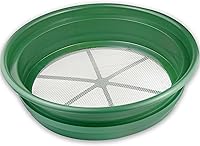
The SE Gold Prospecting-Sifting-Panning is a 13.25 in stackable classifier with a 1/12 in stainless steel mesh. Its 0.08 in mesh opening is suited to screening smaller material before it reaches the gold pan.
Choose this type of classifier when oversized material is slowing your work. Its stackable design also helps with storage and transport, but a classifier does not replace the careful panning and magnetic separation steps that follow.
How should you use a magnet in a gold pan?
Use the magnet in short, gentle passes over the concentrated black sand, then stop and inspect the remaining material. Keep the pan level enough to prevent a sudden washout.
A barrier between the magnet and the concentrate can make cleanup easier. You can place the magnet inside a suitable cover or bag, then lift magnetic sand without permanently coating the magnet.
The barrier does not make the separation automatic. Move slowly, keep removed material separate, and check it before disposal.
Fine gold can remain mixed with black sand, especially when the concentrate is moved too quickly.
A DIY approach can help you understand the setup. Our guide to how to make a black sand magnet covers a simple way to handle magnetic material during cleanup.
Which pan helps separate fine gold from black sand?
A pan with deep riffles and micro riffles helps hold heavier material while lighter sediment washes away. The pan should also give you enough room to work the concentrate without spilling it.
The SE 14 Inch Gold Panning Pan has dual riffles, including deep 1/4 in riffles for larger sediment and micro riffles for finer sediment and black sand. Its 1/8 in base pan volume supports processing more material per pan, while the green plastic helps make gold flakes easier to see.
This pan suits beginners and experienced prospectors who want one lightweight plastic pan for repeated panning. Plastic does not rust or corrode, and the pan does not interfere with magnet use.
The trade-off is that a pan still depends on technique. Keep enough water in the pan to move lighter material, but avoid aggressive shaking that can carry fine gold over the edge.
Can a pump help with black sand separation?
A manual pump can help remove collected water from a small boat, kayak, canoe, bilge, or another place where water gathers, but it is not a magnetic separator. It may be useful around water-based prospecting equipment when controlled water removal matters.
The SeaSense Hand Bilge Pump is a self-priming manual pump with a removable 24 in x 36 in hose. It has an anti-leak, corrosion-resistant plastic construction, an ergonomic high-impact handle, and a 1.8 lb weight.
Self-priming matters in daily use because the pump starts moving water without a separate priming routine each time. For a small boat or kayak, that can mean clearing water in a steadier, two-handed motion instead of bailing with a cup.
The removable hose gives reach into a bilge, hull, or low spot, then comes off for storage in a tighter space. That design suits people who carry gear in a car, a small boat, or a pack rather than leaving the pump in place.
The ergonomic grip and high-impact handle matter when hands are wet, cold, or tired. You repeat the stroke many times, so a handle that is easy to hold makes the job far more manageable.
Corrosion resistance is another practical point for water work. A plastic pump is less likely to rust from repeated contact with lake, river, or ocean water.
The anti-leak design helps the plunger washer force water up and through the outlet instead of wasting effort on each stroke. The pump will not replace a magnet, a classifier, or careful panning technique.
Rinse it after use, let the hose drain, and store it where the plunger and washer are not bent or pressed out of shape. That simple routine helps preserve the seal and keeps the pump ready for the next trip.
Choose it only for water removal needs. It does not attract black sand, classify gravel, or replace a gold pan and magnet.
How do you avoid losing fine gold?
Avoid gold loss by working in small batches, keeping removed magnetic sand separate, and checking the concentrate before disposal. Fine gold is easy to lose when the pan is overfilled or the water moves too fast.
Use these habits:
- Classify the material before panning.
- Remove lighter sediment gradually.
- Keep the remaining concentrate in the low part of the pan.
- Use short magnet passes instead of one large sweep.
- Inspect magnetic material before throwing it away.
- Re-pan anything that looks like it may contain gold.
Do not assume every dark grain is magnetic. Our guide to is sand attracted to a magnet explains why sand can contain both magnetic and nonmagnetic grains.
What should you choose for a black sand cleanup setup?
Choose the SE classifier if large gravel and debris are slowing your panning. The 13.25 in stackable classifier uses a 1/12 in stainless steel mesh with a 0.08 in opening, so it screens smaller material before that material reaches the pan.
That size suits work where oversized rocks keep crowding the pan and hiding the heavier material you are trying to concentrate. Screening first gives a more even feed, and a more even feed makes later panning and magnet work easier to control.
Choose the SE 14 in pan if you need a lightweight plastic pan with separate riffle types for larger and finer material. Its deep 1/4 in riffles help with larger sediment, while the micro riffles help trap finer sediment and black sand as lighter material washes away.
At 3.04 ounces, that plastic pan is easy to carry and easy to hold during repeated panning. The green color also helps gold flakes stand out in bright sunlight, and plastic will not rust or corrode the way a metal pan can.
Choose the SeaSense pump only when water removal is part of your setup. It solves a different problem from magnetic separation, but it can help keep collected water under control near small boats or other wet work areas.
The pump is manual and self-priming, with a removable 24 in x 36 in hose and a 1.8 lb weight. That makes it a carry-along tool for bilges, kayaks, canoes, and low spots, not a tool for cleaning concentrate in a pan.
For most black sand cleanup, the order matters more than adding more gear. Classify first so large gravel does not dominate the pan.
Pan second so lighter sediment is washed away in a controlled way. Use the magnet last, in short passes, when the remaining material is mostly heavy concentrate.
That sequence protects fine gold because each step reduces the volume you have to inspect. It also makes it easier to keep removed magnetic sand separate until you have checked it for trapped gold.
Storage should also guide your choice. A stackable classifier is easier to transport than a pile of loose screens, and a pump with a removable hose stores neatly.
If you are just starting, a pan and a careful magnet routine will cover the core cleanup work. Add a classifier when gravel is slowing you down, and add a pump only when standing water is a real problem.
Frequently asked questions
What does a black sand magnetic separator remove?
A black sand magnetic separator removes magnetic minerals from a gold-panning concentrate. Magnetite is the main example, although the exact minerals vary by location.
Gold itself is not attracted to an ordinary magnet, so careful separation can reduce black sand while leaving gold behind.
Can a magnet pick up fine gold?
An ordinary magnet does not attract pure gold. Fine gold can still be lost if it is trapped inside black sand, carried away with water, or pulled along with magnetic material during a rushed separation.
Work slowly and inspect the material after each pass.
Should you use a magnet before or after panning?
Use a magnet after classification and most of the panning is complete, when the remaining concentrate contains less gravel and more heavy minerals. Removing magnetic material too early can make it harder to see what remains in the pan.
How do you avoid losing gold with a magnet?
Keep the magnet covered or use it through a barrier, move it in short passes, and keep the concentrate damp enough to control dust and movement. Check the removed material before discarding it, because fine gold can remain mixed with black sand.