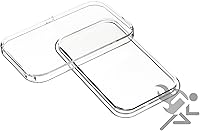
What Is a Slab Box for Coins?
A slab box is a storage box with spaces sized to organize and protect encapsulated graded coins. It keeps coin slabs grouped, easier to identify, and less likely to shift during storage.
On this page (8 sections)
- How does a slab box protect graded coins?
- What is the difference between a slab box and other coin storage?
- What should you measure before buying a slab box?
- Can you use coin holders instead of a slab box?
- How do you organize slabs inside a storage box?
- Where should you keep a slab box?
- Is a slab box useful for a new coin collector?
- What is the best way to choose a slab box?
A slab box is a storage box for encapsulated graded coins. It keeps coin slabs grouped, easier to identify, and less likely to shift during storage.
A coin slab is a hard plastic holder sealed around a coin, usually with an identification label. The label often shows the coin name, date, mint mark, and grade, so the holder becomes part of the record for that coin.
A slab box gives those holders a set place instead of leaving them loose in a drawer. That helps when you want to find a series, check a grade, or move the collection without handling each slab more than needed.
It suits collectors who already own graded coins or expect to add them over time. It is less useful for loose coins that need labeled album openings or individual capsules.
If you need the basics first, read what is a coin slab before choosing a storage system. That guide explains the holder itself, while this post focuses on how a box organizes several holders together.
Think of the box as storage and filing, not as a new holder. It protects the sealed slabs by keeping them sorted, supported, and easier to review in daily use.
How does a slab box protect graded coins?
A slab box protects graded coins by giving their plastic holders a stable place to rest. The box also helps you organize labels, series, dates, and grades instead of leaving slabs loose in a drawer or on a shelf.
Protection depends on the box design and how you use it. A good fit can reduce sliding and stacking pressure, but it cannot correct a cracked slab, a dirty storage area, or a damp room.
Keep each slab clean and handle it by the edges. Avoid putting loose metal objects, paper scraps, or abrasive materials in the same compartment.
Check the fit before the box is full. Each slab should slide in without force and rest without rattling when the lid closes.
Store the box on a flat surface that supports its weight evenly. A shelf that bows or a stack that presses on the lid can undo the benefit of good spacing.
Keep labels facing one way when the layout allows it. That simple habit makes a quick check easier and reduces the need to lift every holder.
Do not overfill the box to save space. Tight stacking makes labels harder to read and increases the chance of rubbing between holders during handling.
Use the box as one part of care, alongside clean hands and a dry storage spot. It works best when the holders, the container, and the place you keep them all suit the collection.
What is the difference between a slab box and other coin storage?
A slab box is made for encapsulated holders, while other coin storage products may be designed for loose coins, albums, capsules, or display trays. The holder type matters more than the word “coin” in a product name.
Coin storage boxes can cover several formats, but check the internal size before buying. A box for round capsules may not hold a rectangular graded slab, and an album opening may not be deep enough for an encapsulated coin.
Is a slab box the same as a coin album?
A slab box is not the same as a coin album. An album usually uses pages, labeled openings, and plastic slides to organize individual coins, while a slab box stores sealed holders.
The Whitman Classic® Coin Album for Mercury dimes has 3 pages and 74 labeled openings for circulation-strike coins and specific varieties from 1916–1945. It holds up to 6 total pages and has clear plastic slides, but it is an album rather than a slab box.
The album measures 7.34 x 0.61 x 8.95 inches and weighs 13.9 ounces. It includes no coins, so you would supply the collection separately.
Choose this type of album when labeled openings and series organization matter. For sealed graded holders, measure the slab and compare it with a box made for that holder shape.
What should you measure before buying a slab box?
Measure the slab's length, width, and thickness before choosing a box. A close fit is useful, but the holder should not need force to enter or leave its space.
Check these details:
- The outside dimensions of your slabs
- The interior dimensions of each box space
- Whether the spaces hold slabs upright, flat, or in rows
- How the lid closes around a full load
- Whether labels remain visible after storage
- How much room you need for future additions
PCGS and NGC holders can have different dimensions, so do not assume one box fits every grading service. Our guides to the best ngc coin slab storage box and best pcgs coin slab storage box can help you compare those two holder groups.
Can you use coin holders instead of a slab box?
A coin holder can be an alternative for an uncertified coin, but it is not the same as a storage box for graded slabs. A holder encloses one coin, while a slab box organizes multiple encapsulated pieces.
The 25 Air-Tite Direct Fit “H40” Coin Holders are sized for US 1 oz American Silver Eagles. Each capsule has a 40.6 mm inside diameter and 3.17 mm inside depth, with a 44.45 mm outside diameter and 5.4 mm outside thickness.
These plastic capsules are for American Silver Eagles, not Morgan, Peace, or Ike silver dollars, large dollars, or silver rounds. Coins are not included, and the capsules are packaged separately within layers of foam.
Choose this format when the coin needs an individual capsule. Choose a slab box when your coins already have sealed graded holders and the main problem is organizing those holders together.
How do you organize slabs inside a storage box?
Organize slabs by a system you can keep using, such as grading service, denomination, series, date, mint, or grade. A consistent order makes it easier to find one coin without emptying the box.
Keep labels facing the same direction when the box allows it. You can use a simple written inventory with the coin's date, mint mark, holder number, and storage position.
Do not pack unrelated holders together if that makes identification harder. Separate collections by owner, series, or purpose when those groups are likely to grow.
For a broader comparison of formats, see best coin slab storage box. The right choice depends on your slab dimensions, storage space, and preferred filing system.
Can an album help organize non-slab coins?
An album can help organize a series of loose coins when its openings match the coins you collect. It is not a replacement for a slab box when the coins are already sealed in thick plastic holders.
The Whitman Classic® Coin Album for Lincoln cents has 7 pages and 252 openings for circulation-strike and proof coins from 1909–1995, including specified Philadelphia, Denver, and San Francisco mint varieties. It holds up to 7 total pages.
The album measures 8.88 x 7.38 x 1.36 inches and weighs 1.41 pounds. It includes no coins and uses clear plastic slides with thumb notches for removing coins from the pages.
This album suits a date-and-mint collecting plan for Lincoln cents. It does not make a thick encapsulated holder fit an opening that was designed for an individual coin.
Where should you keep a slab box?
Keep a slab box in a clean, dry place away from direct sunlight and strong heat. Stable indoor storage helps you avoid unnecessary exposure while keeping the collection accessible.
Use a shelf or cabinet that can support the box without crushing the lid or forcing the container against another object. Leave enough room to remove slabs without scraping them against a hard edge.
Check the storage area occasionally for moisture, dust, or pressure from nearby items. A storage box is part of the protection system, not a substitute for sensible handling.
If you also collect detector finds, inspect and document each coin before placing it into long-term storage. For a homemade temporary option, read how to make a coin holder, then move valuable or graded pieces into a suitable purpose-built format.
Is a slab box useful for a new coin collector?
A slab box is useful when your collection already includes encapsulated graded coins or you plan to collect them. It becomes less useful if most of your coins are loose and organized by album openings.
New collectors can start by choosing one filing method and recording each coin before adding storage. How to start coin collecting explains how to choose a collecting focus and build a manageable system.
Do not confuse a slab box with a metal detector control box. A detector control box is the electronic section that processes signals, as explained in what is a metal detector control box.
What is the best way to choose a slab box?
Choose a slab box by matching its interior spaces to your actual slab dimensions, then select the layout that makes your labels easy to read. Capacity matters, but a box that fits poorly can be harder to use than a smaller box with a better match.
Pick a slab box for certified holders. Pick an album such as the Whitman Mercury dime or Lincoln cent album for loose coins that fit labeled openings.
Pick individual Air-Tite capsules for the specified American Silver Eagles when you need separate coin protection.
For the keyword what is a slab box, the simple rule is this: it is a way to organize and protect encapsulated coins, while the best storage format depends on the holder, the coin, and the collection system you intend to keep.
Frequently asked questions
What is a slab box for coins?
A slab box is a storage container designed to organize encapsulated coins, often called slabs. It gives each holder a defined place, helping you sort graded coins by series, date, mint, grade, or collection while reducing loose movement during storage.
Is a slab box the same as a coin album?
No. A slab box stores encapsulated holders, while a coin album usually has labeled openings or slides for individual coins.
An album can suit loose or circulation-strike coins, but you should check its openings before using it with a thick plastic slab.
Do PCGS and NGC slabs fit the same box?
Not always. PCGS and NGC holders can differ in length, width, and thickness, so measure your slabs and compare them with the box's internal dimensions.
A box made for one holder style may leave another too tight, too loose, or poorly supported.
How should graded coins be stored in a slab box?
Store slabs upright or flat in a clean, dry place according to the box design. Keep the holders away from heat, moisture, and direct sunlight, and avoid overfilling the box so labels remain visible and the slabs do not press tightly against one another.