What Is a Coin Slab?
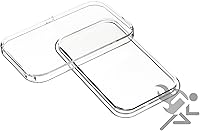
A coin slab is a sealed, rigid holder that protects a coin and displays its identifying label. Grading services use slabs for authenticated, graded coins, while collectors also use similar holders for storage and display.
On this page (10 sections)
- What is a coin slab made to do?
- What are slab coins?
- What does a grading label tell you?
- How does a slab protect a coin?
- What is the difference between a slab and an Air-Tite holder?
- When should you use a slab for storage?
- Can a coin album replace a slab?
- How should you display slabbed coins?
- How do you open a coin slab?
- Is a coin slab worth using?
A coin slab is a sealed, rigid coin holder with a visible identification label. Certified slabs commonly hold coins that have been examined and graded, while ungraded encapsulated coin holders can protect a coin without assigning it a formal grade.
The holder helps limit handling, scratches, and contact with dirt. It also gives you a consistent way to store or display a coin, but a slab alone doesn't prove that a coin is rare or valuable.
What is a coin slab made to do?
A coin slab is made to protect a coin while keeping key information visible. Its rigid shell surrounds the coin, and the label identifies details such as the denomination, date, mint mark, grade, or certification number.
Certified slabs are sealed after a grading service evaluates the coin. The sealed design helps show whether the holder may have been opened, although you should still check certification details and compare the coin with reliable references.
An ungraded holder can look similar but may only provide physical protection. It should not be confused with a grading company's certified slab.
What are slab coins?
Slab coins are coins stored inside rigid encapsulated holders, often with a label attached or built into the holder. The term can describe certified coins and, in casual use, coins kept in similar protective cases.
A certified slab may include the grading company's name, a grade, coin information, and a serial or certification number. The label helps you identify the item without removing the coin.
The word “slabbed” describes the holder, not a guarantee of quality. A low-grade coin can be slabbed, and an attractive raw coin may not be certified.
What does a grading label tell you?
A grading label tells you how the coin was identified and, when certified, how its condition was assessed. It may include the coin type, date, mint mark, grade, variety information, and a certification number.
The grade is an opinion about condition under the grading service's system. It can help buyers compare coins, but it doesn't remove the need to inspect photographs, verify the certification, and understand the coin series.
Don't clean a coin before sending it for grading or placing it in long-term storage. Cleaning can change the surface and may reduce the usefulness of a professional condition assessment.
How does a slab protect a coin?
A slab protects a coin by reducing direct handling and separating the surfaces from common contact. The rigid holder also helps keep the coin from rubbing against loose items in a box or drawer.
Protection depends on proper fit and storage. Keep slabs away from heat, moisture, dust, and rough stacking.
Hold the edges when moving one, and avoid touching the coin through any opening.
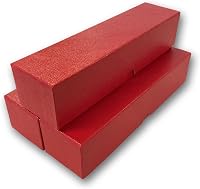
For broader storage ideas, see our guide to coin storage boxes. A slab box should fit the holder's outside dimensions, not just the coin's diameter.
Should you store raw coins in albums instead?
An album can suit organized collections of raw coins that you want to view by date, mint, or series. It is not a replacement for a certified slab when the coin already has a grading holder.
The Whitman Classic® Coin Album - Mercury (Winged Liberty Head) Dimes: 1916-1945 (P, D, & S Mints) has 3 pages and 74 labeled openings for the specified circulation-strike coins and varieties. It holds up to 6 total pages, and the album includes clear plastic slides and thumb notches.
Coins are not included.
Use an album when the collection's structure matters more than keeping every coin in a separate rigid case. Check each opening before inserting a coin, and avoid forcing a coin into a space that doesn't fit.
What is the difference between a slab and an Air-Tite holder?
A slab is generally a rigid holder with label space or certification information, while an Air-Tite holder is a coin capsule made for a specific size. The right choice depends on whether you need grading information, a close fit, or simple protection.
The 25 Air-Tite Direct Fit "H40" Coin Holders SILVER EAGLE are made for US 1 oz American Silver Eagles. Each holder has an inside diameter of 40.6 mm and an inside depth of 3.17 mm, with an outside diameter of 44.45 mm and outside thickness of 5.4 mm.
Coins are not included.
These holders are not for Morgan, Peace, or Ike silver dollars, large dollars, or silver rounds. Match the coin to the stated size before storing it, since a close fit matters for movement and surface protection.
For a better explanation of the box used around multiple holders, read what is a slab box.
When should you use a slab for storage?
Use a slab when the coin needs individual protection, a visible label, or stable identification. Certified coins usually stay in their original slabs unless there is a clear reason to change the holder.
A slab also helps when several people handle a collection, because the label reduces the need to remove each coin for basic identification. Store the holders upright or flat in a way that prevents sliding and pressure on the edges.
If you have a large certified collection, compare the best coin slab storage box options before buying. Measure the slab length, width, and thickness first.
Are all grading slabs the same size?
No. Slab dimensions and shapes can vary by grading service, coin type, and holder design.
A box made for one holder may not fit another, even when both contain similar coins.
Collectors should measure the actual holder and check the inside dimensions of a storage box. A tight fit can make removal difficult, while excess space can let slabs shift during handling.
For NGC holders, see the guide to the best NGC coin slab storage box. PCGS collectors can compare the best PCGS coin slab storage box options.
Can a coin album replace a slab?
A coin album can replace a slab for organized raw-coin storage when certification is not the goal. It cannot provide the same label format or sealed certified-holder history as a professional slab.
The Whitman Classic® Coin Album - Lincoln Cents Volume #1: 1909-1995 (P, D, & S Mints) includes 7 pages and 252 openings for circulation-strike and proof coins plus specified varieties from the Philadelphia, Denver, and San Francisco mints. It holds up to 7 total pages, and coins are not included.
This album suits a series collection that benefits from many labeled openings. It takes more planning than a box of loose capsules, so arrange coins by the printed sections and leave room for future additions.
How should you display slabbed coins?
Display slabbed coins in a holder or case that supports their full size without squeezing them. Keep the display away from direct sunlight, damp areas, and places where the case may fall.
A wall or shelf display can make a collection easier to view, but it should not expose slabs to repeated bumps. For a floating presentation, see the best floating coin display case.
For several slabs in a row, compare the best coin display rack.
Keep the display simple and readable. The label should remain visible, and the coin should not rest against an abrasive surface.
How do you open a coin slab?
Opening a slab can damage the holder and remove the protection it provides. Confirm that you truly need the coin outside the slab before starting, especially if the holder contains a grading label or certification number.
If the coin is being moved into another holder, record the label details first and prepare the new storage location. Our guide explains how to open a coin slab with the risks and preparation steps.
Don't pry near the coin itself. A tool that slips can scratch the holder or the coin, and a broken slab is harder to store safely.
Is a coin slab worth using?
A coin slab is worth using when protection, identification, and display matter more than compact storage. It is especially useful for certified coins, coins that are handled often, and pieces you want to keep separate from a larger raw collection.
Choose a certified slab when a grading label and sealed holder are important. Choose a direct-fit capsule for a correctly sized coin that needs protection without formal grading.
Choose an album when a date-and-mint layout makes a raw series easier to organize.
The key rule for what is a coin slab is simple: the slab protects and identifies the coin, but it does not create value by itself. Match the holder to the coin, measure storage space before buying, and handle every coin by its edges.
Frequently asked questions
What is a coin slab used for?
A coin slab protects a coin inside a rigid holder while keeping its label visible. Certified slabs also show information such as the grading service, coin identification, grade, and certification details.
Collectors use them for protection, storage, display, and easier identification.
Are slab coins valuable?
A slab does not guarantee that a coin is valuable. Its value depends on the coin, condition, rarity, demand, authenticity, and the information on the holder.
A grading label can make a coin easier to identify, but it does not replace careful research.
Can you open a coin slab?
Yes, but opening a sealed slab can damage the holder and may affect how the coin is identified or stored. Use care and choose the right method for the holder.
If you need access to the coin, follow a careful guide before attempting to open it.
What is the difference between a coin slab and a coin capsule?
A coin slab is usually a larger rigid holder with space for an identifying label, while a coin capsule is commonly a smaller holder made to fit a particular coin size. Both can protect a coin, but they serve different storage and identification needs.