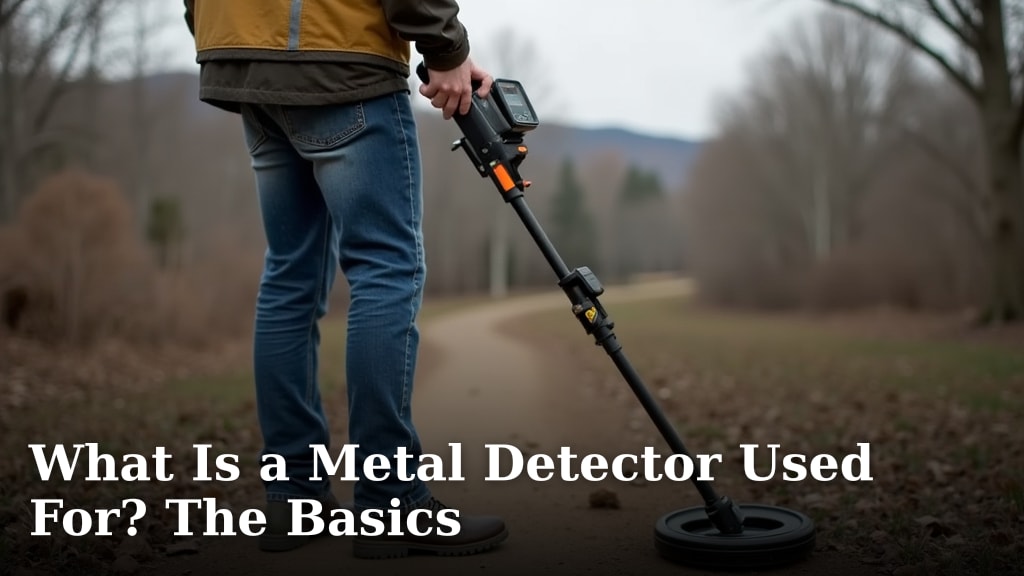
What Is a Metal Detector Used For? The Basics
A metal detector is a device that uses an electromagnetic field to locate metal objects buried in the ground or hidden in other materials. Its primary use is to find buried objects like coins, jewelry, relics, or even utility pipes. This simple technology helps people discover things they can’t see with their eyes alone.
People use metal detectors for many reasons, from fun hobbies to serious work. We found that common uses include Our facts about metal detecting post elaborates on these and other practical applications.beachcombing, security screening, and archaeological research. Some folks even use them to check their own yards before digging for a garden project.
- Find lost jewelry, coins, or other valuables.
- Search for historical artifacts and relics.
- Screen people or bags for safety at events.
- Locate pipes or cables underground for construction.
- Enjoy a relaxing and rewarding outdoor hobby.
Below, we’ll walk through exactly how a metal detector works and break down its most common uses step by step. You’ll get a clear picture of what to expect and how to get started.
Common Applications of Metal Detectors
So, you’ve got this device that beeps when it finds metal. But what do people actually *do* with it day-to-day? We found that the uses range from a fun weekend pastime to a critical part of keeping a city running safely. Let’s break down where you’ll find these machines in action.
Think of it like this: a metal detector is a simple tool for solving a simple problem—finding something you can’t see. Whether that’s a lost earring in the sand or a buried water pipe, the goal is discovery.
Hobbyist and Recreational Use
This is where most people start. It’s about the thrill of the hunt and the stories you bring back. You’re not just walking on a beach; you’re on a mission. Your detector becomes your guide.
- Beachcombing and Surf Hunting: The number one hobby use. People scan the sand near the waterline for dropped rings, watches, and coins left by swimmers. The wet sand can make items sink deeper, creating a hidden cache.
- Park and Field Searching: Old parks, fairgrounds, and farm fields are metal detector hotspots. You might find old coins, buttons, or other historical relics left behind by previous generations. Many guidelines point to getting permission before searching private land (Mayo Clinic of etiquette).
- Relic Hunting: A more focused hobby where enthusiasts search for items from historical events, like battlefields or old homesteads. The goal is often preservation and understanding history, not just finding valuable items. If you’re curious about the past it connects to, our guide to the history of metal detecting offers deeper insights.
We found that a person’s first find, even a rusty bottle cap, often sparks a lifelong interest. It connects you to the ground beneath your feet in a tangible way.
Everyday Practical Uses
Beyond hobbies, metal detectors solve common, everyday problems. You might not think about them until you need one.
- Locating Lost Items: Dropped a gold stud earring in the backyard grass? A metal detector can save you hours of fruitless searching. It’s like a high-tech game of “hot and cold.”
- Home Improvement Safety: Before you drill into a wall or dig a post hole, a detector helps you find hidden nails, screws, or even metal studs. This prevents damage to your tools and potential injury.
- Yard and Garden Work: Surveying your property before a major dig can reveal buried trash, old pipes, or forgotten septic lines. It’s a smart first step for any serious landscaping project.
Professional and Industrial Applications
This is where the technology does serious, often unseen, work. Reliability and accuracy aren’t just nice to have; they’re mandatory.
- Security Screening: Airports, concert venues, courthouses, and schools use walk-through and hand-held detectors to ensure safety by locating prohibited metal items. This is a primary use cited by the Transportation Security Administration (TSA).
- Construction and Utility Location: Before any excavation, utility companies use specialized detectors to map underground pipes and cables. This prevents costly and dangerous strikes on gas lines or electrical conduits.
- Archaeology and Forensics: Archaeologists use highly sensitive detectors to map artifact locations without disturbing the site. Forensic teams can use them to find buried evidence like weapons or shell casings.
- Demining and Military Operations: One of the most critical uses. Soldiers and humanitarian workers use detectors to locate landmines and unexploded ordnance, saving lives in conflict zones.
How Does a Metal Detector Actually Work?
You don’t need to be an engineer to grasp the basics. At its core, a metal detector creates an invisible “field” and listens for disturbances. Here’s the simple breakdown.
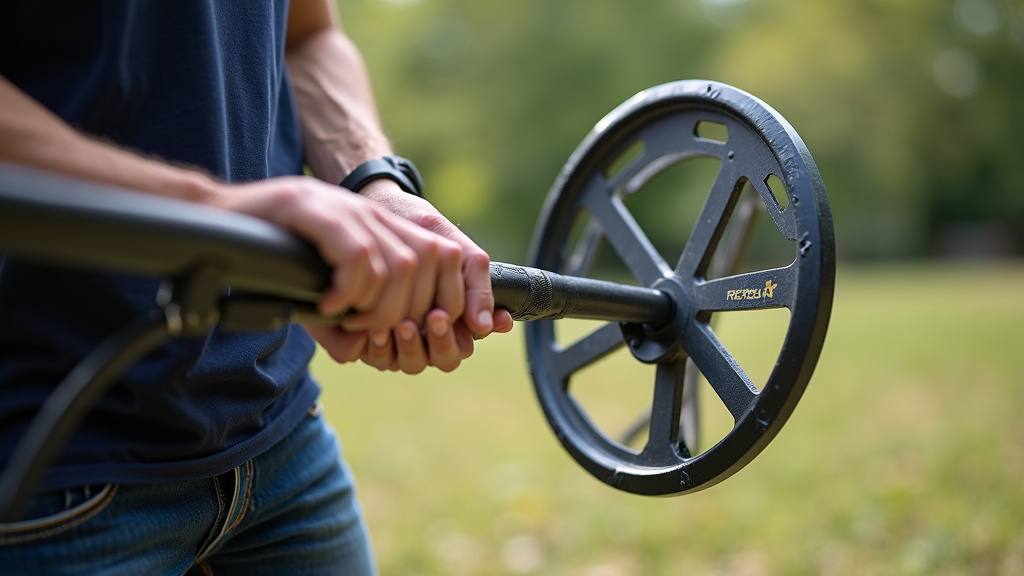
- The Search Coil: This is the round part you sweep near the ground. It contains a transmitter coil that sends out a constant, pulsing electromagnetic field.
- The Signal and The Target: When that field hits a metal object, the metal disrupts the field. The object gets “energized” by the field and creates its own faint, secondary field.
- The Receiver and Alert: A receiver coil in the search coil detects this secondary field. The detector’s circuitry interprets the signal and translates it into the beep, vibration, or visual graph you see on the screen.
It’s not magic. It’s physics. Think of it like a flashlight beam in a dusty room. You shine the beam (the electromagnetic field), and when it hits an object, you see the dust scatter off it (the secondary field). That’s your detector telling you something is there.
Choosing the Right Metal Detector for Your Use
Not all detectors are equal. A machine perfect for a beach hunt will fail miserably at locating deep pipes. Matching the tool to the job is key.
| Use Case | Key Feature to Look For | Why It Matters |
|---|---|---|
| General Hobby / Beginner | Adjustable Sensitivity & Discrimination | Lets you filter out junk like iron nails and focus on coins or jewelry. |
| Beach Hunting | Waterproof Coil & Salt Balance | Saltwater and mineralized sand can cause false signals. Good balance prevents this. |
| Professional / Utility | Pinpoint Mode & Depth Indicator | Gives precise location and estimated depth, crucial for excavation work. |
| Gold Prospecting | High Frequency Operation | Very high frequencies are better at detecting small gold nuggets in mineralized ground. |
Hobby vs. Professional: What’s the Difference?
While the basic principle is the same, professional models are built differently. They often have more advanced ground balancing to ignore mineral soil, superior depth capabilities, and specialized coils. For your first detector, a good quality hobby machine is more than enough.
Your First Hunt: A Simple Checklist
Ready to try it? Don’t overthink it. Start with these steps to make your first outing successful and fun.
- Get a Basic Machine & Read the Manual: Understand the knobs and modes before you head out.
- Find a Local Park (Check Rules First!): Many public parks allow metal detecting with a permit or in specific areas.
- Practice on Known Targets: Bury a coin in the yard and practice your sweep speed and pinpointing.
- Learn to “Read” Your Detector: Each sound or signal means something. Listen for clear, repeatable beeps.
- Dress for the Weather & Bring Tools: Carry a small digging tool, gloves, and a pouch for finds. Always fill your holes.
- Join a Community: Local metal detecting clubs are gold mines of knowledge for beginners.
Important Safety and Etiquette Notes
Being a responsible user is just as important as owning the device. Safety and respect keep the hobby and profession alive for everyone.
- Never trespass. Always get explicit permission to search on private property. For public land, know the local rules and obtain any required permits.
- Be aware of your surroundings. Don’t search near roads, power lines, or unstable areas. Watch where you step.
- Leave no trace. Fill every hole you dig. It’s courteous and prevents injuries to others or animals.
- Respect the past. If you find something of apparent historical value, consider reporting it to local authorities or historical societies. Researching your find adds to its meaning.
In the end, a metal detector is a tool for discovery. It can be a source of exciting hobbies, practical solutions, or vital professional work. Your first beep could be a piece of history, a lost treasure, or simply a step toward understanding the world just below the surface.
Conclusion
You’ve seen how metal detectors serve many purposes, from finding lost coins to ensuring safety at events. They use simple electromagnetic technology to locate hidden metal objects. Whether you’re a hobbyist or need professional tools, the key is matching the detector to your use case. Remember to always get permission, fill your holes, and respect the environment. Ready to start? Grab a beginner-friendly detector, practice in your yard, and join a local club. Your first discovery could be just around the corner.
Frequently Asked Questions
What is the difference between a metal detector and a pinpointer?
A metal detector sweeps a large area to find metal objects, while a pinpointer is a small device that pinpoints the exact location of a target once you’ve dug a hole. We found that using both together improves your efficiency in the field.
Can metal detectors find gold?
Yes, metal detectors can find gold, but the ability depends on the detector’s frequency and settings. High-frequency detectors are better at detecting small gold nuggets, especially in mineralized ground.
Do I need a permit to use a metal detector in public parks?
In many places, you do need a permit or must follow specific rules for metal detecting in public parks. We recommend checking with your local park authority before you start searching.
How deep can a metal detector detect?
The detection depth varies by detector model, target size, and soil conditions. Most hobby detectors can find coins up to 8-12 inches deep, but professional models can go much deeper.
Are metal detectors safe to use around electronics?
Metal detectors are generally safe around electronics, but the electromagnetic field might interfere with sensitive devices. It’s best to keep detectors away from computers or medical equipment to avoid potential issues.