6 Best Gold Crevice Tools (November 2026)
The best best gold crevice tools include the Sluice Fox Huntley Spoon Prospecting Crevice Tool Scoop for scooping gold from cracks, the ASR Outdoor Hook and Pick Precision Gold for varied crack shapes, and the Sluice Fox Prospecting Tool Crevice Breaking Digging bar for prying tight bedrock.
On this page (8 sections)
- The best gold crevice tools for bedrock cracks
- How to use a gold crevice tool in bedrock cracks
- How we compared these gold crevice tools
- What size and tip shape should you choose?
- Steel, stainless steel, or high carbon steel: which is best?
- How do you care for crevice tools after each trip?
- What to look for when you start crevicing bedrock
- Which gold crevice tool should you buy?
The best gold crevice tool for most prospectors is the Sluice Fox Huntley Spoon, because it carries material out of cracks instead of only loosening it. A hook, pick, or pry bar may suit your bedrock better, so match the tip to the crack shape.
Bedrock cracks hold gold because water slows in the narrow gaps and drops heavy particles there. Your job is to free that packed material and move it to a pan without losing fine gold.
Our score weighs specs, features and buyer feedback against what you are shopping for. We compared lengths, tip shapes, materials, and handle design across these six tools.
Start with your crack width. Slim picks fit narrow seams, spoons and scoops carry loads, and long pry bars open cracks that a small tool cannot move.
If you are new to this work, read how to prospect for gold before you pick a first tool.
Our picks at a glance
-
1
 Best for scooping gold from cracks
Sluice Fox Huntley Spoon Prospecting Crevice Tool Scoop
9.7/10 our score
See it on Amazon -
2
 Best for varied crack shapes
ASR Outdoor Hook and Pick Precision Gold
9.5/10 our score
See it on Amazon -
3
 Best for prying tight bedrock
Sluice Fox Prospecting Tool Crevice Breaking Digging bar
9.2/10 our score
See it on Amazon
- 4
 Check it
Make Your Own Gold Bars 12" K&M Krushers Crevice Tool
Best for lightweight stainless steel - 5
 Check it
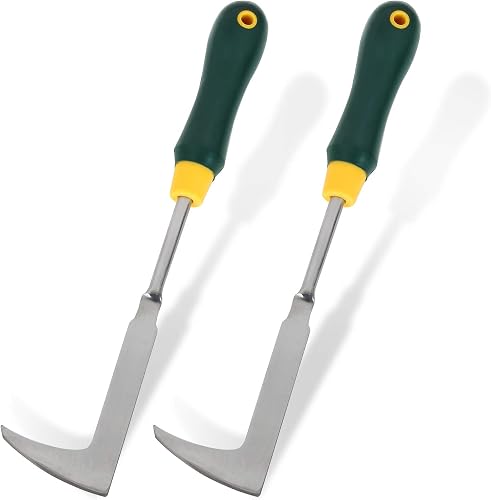
FengWu 2 Pack 13" Crack Weeder Crevice
Best budget backup pair - 6
 Check it
Bulldog Metalworks Prospecting Mining Crevice and Digger Tool
Best for heavy 1/4 inch steel
The best gold crevice tools for bedrock cracks
The Huntley Spoon tops this list for general crevice work, while the ASR set wins for crack variety. The tools below cover scooping, hooking, prying, scraping, and heavy digging, so you can see which job each one does best.
You will also want the rest of your kit ready. Our gold panning equipment guide covers pans, classifiers, and buckets that pair with these tools.
Sluice Fox Huntley Spoon Prospecting Crevice Tool Scoop: Best for scooping gold from cracks
- Hardened steel shaft
- Spoon tip for sediment and gold
- Sizes include 6mm x 235mm, 10mm x 280mm, and mini 3-pack
- Thick shaft and sturdy handle
A spoon-tipped crevice tool that lifts sediment and gold-bearing material from narrow bedrock cracks, with size choices for different crack widths.
Pros
- Spoon tip carries material out
- Multiple size options
- Hardened steel construction
Cons
- Single purpose compared with hook sets
- Spoon shape may be wide for very narrow cracks
The Huntley Spoon suits prospectors who spend most time lifting material from cracks. Its spoon tip carries sediment and gold to a pan or bucket in each pass, which saves trips compared with a plain pick.
Size choices matter here. You can choose 6mm x 235mm, 10mm x 280mm, a mini 3-pack with 2.4mm, 3mm, and 4mm shafts at 7, 9, and 11 inches, or all 5 pieces.
Slim shafts fit narrow cracks, while the wider spoon moves more material per pass.
The tool is made of hardened steel with a thick shaft and sturdy handle. That build suits repeated scraping against rock, and the longer options reach pockets that are hard to reach by hand.
Shorter mini sizes suit fine cracks and careful work. The 10mm x 280mm option suits wider cracks where speed matters more than fitting into a tight seam.
The 6mm option sits between those jobs for cracks that are narrow but still pack a load.
Its main trade-off is focus. A spoon lifts loads well, but it cannot hook around a bend or pry bedrock apart like a pick or bar.
Pair it with a hook or pry tool if your bedrock has those features.
ASR Outdoor Hook and Pick Precision Gold: Best for varied crack shapes
- 6-piece set
- Straight, hook, complex, 90 degree, combination, and double angle tips
- 9.25 in length
- 40 HRC high carbon steel
- Ergonomic non-slip rubber handles
Six hook and pick shapes for reaching, scraping, and lifting in cracks that bend, narrow, or turn.
Pros
- Six tip shapes
- Ergonomic non-slip grips
- 9.25 in reach
Cons
- Set weight is higher than a single tool
- Pick tips need care in soft pack material
This ASR Outdoor set suits prospectors who meet many crack shapes. The 6 pieces include a straight, hook, complex, 90 degree, combination, and double angle tip, so you can match the shape to the gap.
Each tool is 9.25 inches long, which gives reach into deep pockets without a long shaft getting in the way. That length also gives you room to keep your knuckles away from rough rock.
The tools are made of 40 HRC high carbon steel with red and black ergonomic grips. The non-slip rubber handles help you keep control during precise scraping and lifting work.
Hook tips suit cracks that bend or narrow at the bottom. Straight and combination tips suit scraping along a seam, while angled tips reach under ledges where a straight tool cannot go.
The 9.25 inch length is the longest reach in this set, so check the crack depth before you start. A tool that is too long for a shallow crack can waste motion and make fine work harder.
The trade-off is weight and choice overload. At 7.8 ounces for the set, it carries more than a single tool, and you need to pick the right tip before each pass.
Buyers who use one crack type may prefer a single dedicated tool.
Sluice Fox Prospecting Tool Crevice Breaking Digging bar: Best for prying tight bedrock
- 19 in tip to tip
- Six-sided hardened steel
- Straight point tip
- Bent chiseled 7/8 in flat tip
A long breaking and prying bar for separating tight bedrock chunks and opening cracks before finer tools go in.
Pros
- Long leverage at 19 in
- Point and flat tips
- Six-sided steel shaft
Cons
- Too large for fine crevice work alone
- Best paired with a smaller tool
This Sluice Fox breaking bar suits bedrock that needs force before fine tools can work. At 19 inches tip to tip, it gives leverage to separate chunks of tight bedrock and expose placer gold in small gaps.
One end comes to a rugged point. The other end is bent and ends in a chiseled 7/8 inch wide flat tip.
You can use the point to start a crack and the flat tip to pry or scrape material loose.
The shaft is six-sided hardened steel. That shape helps you grip and turn the bar, and steel holds up to repeated prying against rock.
This tool opens cracks rather than finishing them. After the bar separates bedrock, a spoon, hook, or scoop can lift the loosened material for panning.
At 19 inches, it is the longest tool here, so it suits cracks you can reach while standing or kneeling at the rock face. That reach helps when you need leverage, but it also means the bar can swing wide in a tight space.
Its trade-off is size. A 19 inch bar is too large for fine crevice work and too heavy for delicate scraping.
It works best as the first tool in a set, not as your only tool.
Use careful force with any pry bar. Rock can shift under load, and a controlled push protects your hands and the crack you are trying to work.
Make Your Own Gold Bars 12" K&M Krushers Crevice Tool: Best for lightweight stainless steel
- 12 in length
- 304 stainless steel
- Double ended
- Claw hook end and ridged scoop end
- Lightweight and strong
A double-ended 12 in stainless tool with a claw hook on one end and a ridged scoop on the other for scraping and plowing out material.
Pros
- Double ended design
- 304 stainless steel
- Lightweight at 6.1 oz
Cons
- Fewer shape options than a 6-piece set
- 12 in reach is shorter than 19 in bar
The K&M Krushers tool suits prospectors who want a light, double-ended option. At 12 inches long and 6.1 ounces, it is easy to carry and to use for short scraping passes.
One end is a claw hook that is 2-1/8 inches tall. The claw measures 1/2 inch by 1/8 inch thick.
That hook reaches into pockets and pulls material toward you.
The other end is a ridged scoop for plowing out material. A double twist near the end gives extra grip when you scrape those crevices, which helps when your hands are wet.
The tool is made of 304 stainless steel and is described as lightweight and strong. Stainless steel suits wet work, and the compact size fits in a pan, bucket, or pack pocket.
At 6.1 ounces, it is lighter than the ASR set at 7.8 ounces and far lighter than heavier steel tools. That weight saving matters when you carry tools to a site and use them for an hour or more.
Its trade-off is reach and variety. At 12 inches, it cannot match a 19 inch pry bar for leverage, and it offers fewer tip shapes than a 6-piece set.
It suits general crevice work better than heavy bedrock breaking.
FengWu 2 Pack 13" Crack Weeder Crevice: Best budget backup pair
- 2 pack
- 13 in length
- L-shaped stainless steel blade
- Scraper and sickle blade
- Non-slip plastic handle
- Hole for hanging storage
A budget L-shaped pair with a scraper and sickle blade for scraping cracks and loosening material in tight spots.
Pros
- Two tools included
- L-shape for tight angles
- Hanging hole for storage
Cons
- Garden weeder design, not prospecting specific
- Plastic handle offers less force than steel
The FengWu pair suits budget buyers who want a spare tool. The 2-pack at 13 inches each lets you keep one in your kit and one as a backup, or share one with a partner.
The L-shaped design has a scraper blade and a sickle blade. The scraper suits moss and packed material on rock surfaces, while the sickle blade goes deep into stone cracks to dig out material.
The blade is sharpened, hardened stainless steel, and the handle is non-slip plastic molded onto the steel. That handle gives leverage and reduces pressure during long work sessions.
A hole in the handle end lets you hang the tool for storage. That small detail helps if you store tools in a shed, garage, or truck.
At 13 inches and 15.8 ounces for the pair, each tool is light enough to carry in a bucket. The L shape helps the blade enter a crack at a right angle, which can help when a straight tool would hit the rock above the crack.
Its trade-off is design focus. This is a crack weeder for garden use, not a prospecting-specific tool, so the tip shapes differ from a spoon or hook set.
The plastic handle also offers less force than an all-steel bar.
For the price level, the pair covers scraping and digging in tight spots. Choose it as a starter or backup, not as a heavy pry tool.
Bulldog Metalworks Prospecting Mining Crevice and Digger Tool: Best for heavy 1/4 inch steel
- Durable 1/4 in steel
- Scratch resistant powder coating
- Firm grip handle
- Made in USA with 100% USA materials
- Straight style in blue
A straight crevice and digger tool in 1/4 in steel with a firm grip handle, built for digging gold nuggets and gems from tight areas.
Pros
- Thick 1/4 in steel
- Firm grip handle
- Powder coating
Cons
- Single straight style
- Heavier than slim picks
The Bulldog Metalworks tool suits prospectors who want thick steel for digging work. It is made with durably 1/4 inch steel and a scratch resistant powder coating in blue.
The straight style, called Digger, is built for digging gold nuggets and gems from tight areas. Bulldog also describes straight, curved, and claw styles for different tight spots, and this pick is the straight version.
A firm grip handle helps you control the tool during scraping and digging. The handle material is plastic or rubber, with the grip listed as firm.
Bulldog says the tool is made in the USA with 100% USA materials. That origin may matter to buyers who prefer US-made tools.
At 0.62 kg, this tool is heavier than slim picks and heavier than the 6.1 ounce K&M tool. That weight can help with digging force, but it also tires your arm faster during fine work.
The powder coating helps protect the surface from scratches during storage and use. A coated surface is also easier to wipe clean after a wet trip.
Its trade-off is weight and style choice. At 0.62 kg, it is heavier than slim picks, and the straight shape cannot hook around bends like an ASR hook tip.
It suits forceful digging better than fine gold recovery.
How to use a gold crevice tool in bedrock cracks
Work in short, controlled passes and lift material out often. Push the tip into the crack, loosen packed sediment, and carry each load to a pan or bucket.
Start at the top of the crack and work down when water allows. Water helps loosen material and shows fine gold as you wash each load.
Use a spoon or scoop when the crack is wide enough to carry a load. Switch to a hook or pick when the crack bends, narrows, or hides material under a ledge.
Use a pry bar only when the bedrock itself blocks access. Separate the rock first, then switch to a finer tool to lift the gold-bearing material.
Check local rules before you dig. Our guide on can you pan for gold anywhere explains why permission and claim status matter before you start.
How to work a crack without losing fine gold
Lift small loads often instead of one large load. Small loads stay in the spoon or scoop and are less likely to spill on the way to the pan.
Wash each load with water as you go. Washing loosens clay and sand that can hide fine gold in packed material.
Keep your pan close to the crack. A short carry means less loss, and you can check the crack again right after each pass.
Stop and switch tools when the tip no longer fits. Forcing a wide spoon into a narrow crack can push material deeper instead of lifting it out.
How we compared these gold crevice tools
We compared length, tip shape, material, handle design, and pack size. We also checked how each tool fits a specific job, from scooping material to prying bedrock.
Longer tools give more reach and leverage. Shorter tools give better control in narrow cracks and are easier to carry.
Tip shape drives the choice more than brand. A spoon carries loads, a hook reaches bends, a pick scrapes seams, a scoop plows material out, and a pry bar opens rock.
Materials matter for wet, rocky work. Hardened steel, high carbon steel, and stainless steel each suit different needs for strength, weight, and rust resistance.
Handles matter when your hands are wet and cold. Non-slip rubber, firm grips, and twisted grip sections all help you keep control.
We also weighed how a tool fits in a kit with other tools. A single spoon pairs well with a hook set, while a 19 inch bar pairs best with a smaller lifting tool.
What size and tip shape should you choose?
The best gold crevice tool depends on crack width first and length second. Pick the tip that fits the crack, then pick a length that reaches the bottom.
Slim picks for narrow cracks
Slim picks and mini shafts fit cracks that are only a few millimeters wide. Use a straight pick to scrape along the seam and loosen packed material.
Spoon and scoop tips for carrying loads
Spoon and scoop tips carry material to a pan in each pass. They suit wider cracks where speed matters and the crack allows a load.
Hook and angled tips for bends and ledges
Hook, 90 degree, and double angle tips reach bends and under ledges. They suit cracks that turn or narrow at the bottom.
Pry bars for opening tight bedrock
Point and flat tip bars separate tight bedrock chunks. Use them to open a crack, then switch to a finer tool to recover the material.
Steel, stainless steel, or high carbon steel: which is best?
Hardened steel suits heavy scraping and prying. It holds an edge and takes force, but it needs drying and oiling after wet use.
304 stainless steel suits wet work and light carrying. The K&M Krushers tool uses stainless steel at 6.1 ounces, which helps when you carry tools over distance.
40 HRC high carbon steel suits precise picks that need sharp tips. The ASR set uses that material and is described as rust resistant, with non-slip rubber handles.
Plastic handles reduce slipping and hand fatigue. They suit lighter scraping work, but they absorb less force than steel shafts.
How do you care for crevice tools after each trip?
Rinse tools with clean water after use to remove sediment and sand. Sand left on a tip can scratch the next crack you work.
Dry steel tools fully before storage. A light oil wipe helps prevent rust on hardened and high carbon steel.
Hang tools or store them where air flows. The FengWu pair has a hanging hole, which helps you keep tips dry and out of a damp bucket.
Check tips before each trip. A bent hook or dull pick needs straightening or sharpening before it will fit the crack.
What to look for when you start crevicing bedrock
Look for cracks where water slows and drops sediment. Those cracks often hold the most gold-bearing material.
Look for seams in exposed bedrock near the water line. Those seams collect material as floods pass over them.
Look for cracks that widen at the top and narrow at the bottom. That shape traps material and lets you reach it with a tool.
Learn what to look for when gold panning so you can read the bedrock before you spend an hour with a tool. A few good cracks beat an hour of work in barren rock.
Which gold crevice tool should you buy?
Pick the Sluice Fox Huntley Spoon if you want one tool that lifts material from most cracks. Its size options let you match shaft width to crack width.
Pick the ASR Outdoor set if your bedrock has many crack shapes. Six tips cover bends, ledges, and straight seams in one kit.
Pick the Sluice Fox breaking bar if tight bedrock blocks your access. Use it to open cracks, then finish with a spoon or hook.
Pick the K&M Krushers if you want light stainless steel and a double-ended design. Its claw hook and ridged scoop cover two jobs in one tool.
Pick the FengWu pair if you want a budget backup. Two L-shaped tools cover scraping and digging in tight spots.
Pick the Bulldog Metalworks if you want thick 1/4 inch steel for digging. Its straight style suits forceful work in tight areas.
For more background before your first trip, our best buying gold prospecting books list helps you learn bedrock reading and panning skills.
Our top 3 picks at a glance
-
1
Best for scooping gold from cracks
Sluice Fox Huntley Spoon Prospecting Crevice Tool Scoop
9.7/10 our score
See it on Amazon -
2
Best for varied crack shapes
ASR Outdoor Hook and Pick Precision Gold
9.5/10 our score
See it on Amazon -
3
Best for prying tight bedrock
Sluice Fox Prospecting Tool Crevice Breaking Digging bar
9.2/10 our score
See it on Amazon
Frequently asked questions
What is a gold crevice tool used for?
A gold crevice tool lifts gold-bearing sediment from narrow cracks in bedrock. You work the tip into the crack, loosen packed material, and carry it to a pan or bucket.
Spoon, hook, pick, scoop, and pry bar styles each suit a different crack shape.
What size crevice tool should I start with?
Start with a tool near 9 to 13 inches for most cracks. That length reaches deep pockets while still fitting in your hand.
Add a longer pry bar later if the bedrock needs force to open.
Can a crack weeder work as a crevice tool?
Yes, an L-shaped crack weeder can scrape and dig in narrow cracks. Its scraper and sickle blades work in tight spots, and a two-pack gives you a spare.
A purpose-built crevice tool usually fits prospecting better.
Do I need more than one crevice tool?
Most prospectors use two or three shapes. A spoon or scoop lifts material, a hook reaches bends, and a pry bar opens tight bedrock.
One tool can work, but different crack shapes often need different tips.
How do you clean gold from a crevice?
Work material loose with a crevice tool, lift it into a pan or bucket, and wash it with water. Pan or classify the material to separate gold from heavier and lighter sediment.
Check your local rules before you dig or remove material.