How to Set Up a Sluice Box
To set up a sluice box, place it securely in a steady stream, point the outlet downstream, and adjust the angle and flow until lighter gravel moves through while heavier material settles in the riffles.
On this page (8 sections)
To set up a sluice box, place it securely in a steady stream, point the outlet downstream, and adjust the angle and flow until lighter gravel moves through while heavier material settles in the riffles. Feed material gradually, then inspect the box and change one setting at a time.
A stable setup matters more than a steep slope. You want an even current that moves lighter material along without washing heavy particles out of the recovery area.
What do you need to set up a sluice box?
You need a sluice box, a stable place in moving water, and a way to keep the box from shifting. A shovel or scoop can help feed material, while a pan lets you check concentrates and tailings.
Choose gold panning equipment to match your location and how much material you plan to process. Before you work, check local rules for access, water use, and collecting material.
A sluice box uses flowing water and riffles to separate heavier particles from lighter gravel. See how a sluice box works for a closer look at that process.
Where should you place a sluice box?
Place the sluice where water flows steadily and the box can sit without rocking. A shallow run or the edge of a current can work if enough water moves through the channel evenly.
Point the inlet into the current and the outlet downstream. Avoid spots where waves, eddies, or a sudden drop make the flow erratic, and clear loose rocks that could shift under the box.
Set the box low enough for water to enter its full width, but keep the stream from spilling over the sides. Brace it with stable rocks or other suitable supports, and check that the outlet remains clear.
How can you make a simple sluice box setup stable?
Use firm support along the box so it can't twist or slide as water and gravel pass through. If you need to make a box for a particular location, see how to make a sluice box.
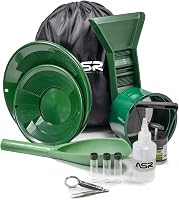
The ASR Outdoor kit includes a 12 in mini rubber sluice box with built-in riffle patterns, along with pans, a scoop, and other gold recovery tools.
How do you set the sluice box angle?
Start with a mild downhill slope, then adjust it while watching material move through the channel. The right sluice box angle depends on water flow, box design, and the material you feed.
If gravel stops or piles up, increase the slope slightly or move the box to a steadier current. If material rushes through, lower the slope or reduce the flow, then watch whether heavy particles remain behind the riffles.
Change one thing at a time so you can see what helped. Don't rely on a fixed angle as a guarantee, since stream conditions vary from spot to spot.
What does the material in the box tell you?
Material that moves steadily through the riffles suggests the flow is carrying lighter gravel along. If heavy particles wash out, slow the flow or reduce the slope, then check the tailings with a pan.
Look for a mix of material collecting behind the riffles, not a channel packed with gravel. Too much feed can block the flow and make recovery less consistent.
How should you adjust water flow?
Aim for steady water that clears lighter material without washing everything out of the box. Start with a modest flow, feed a small amount of gravel, and watch the riffles before making adjustments.
If the current is too fast, move the inlet toward calmer water or reduce the box's exposure to the stream. If water barely moves material, reposition the box into a stronger, even current.
A recirculating unit may suit a controlled setup away from a stream. The Martin Prospecting mini sluice has a valve for adjusting water flow and a 110V submersible pump, so it requires a suitable power source.
Follow the equipment instructions and keep electrical connections away from water. A pump does not remove the need to check that material moves evenly through the sluice.
How do you feed material into the sluice?
Feed small amounts of classified material into the upper end, spread across the channel. A steady feed lets water carry lighter particles through without burying the riffles.
Break up clumps and remove oversized rocks before feeding. If the box begins to clog or gravel builds up, pause and clear it instead of adding more material.
Check the tailings with a pan as you adjust the setup. If you find heavy particles there, reduce the flow or slope and test again with a small batch.
Should you change the matting?
Change the matting only if it fits the box and suits the material you want to recover. The Sluice Fox rubber V matting has mini and micro V-trap patterns and can be trimmed with scissors.
Check the box dimensions before cutting matting to size. Secure it as intended, and make sure it lies flat so water and gravel can pass through the channel.
Clean the matting between runs so trapped material doesn't build up and interfere with flow. If you need a longer, trough-like setup, read about a long tom sluice box.
How can you tell if the setup is working?
A working setup moves lighter gravel through while heavier material collects around the riffles. For a recovery setup suited to fine material, compare sluice boxes for fine gold.
Confirm that result by checking the concentrates and panning the tailings during early adjustments.
Pause if the flow shifts, the box moves, or gravel blocks the channel. Reset the box before continuing, since even a small change in water level can affect recovery.
Which sluice box setup should you use?
For a stream, choose a steady, shallow current, secure the box, and tune its angle with small test batches. For a portable setup, the ASR Outdoor kit pairs a mini sluice with panning tools; for a recirculating setup, the Martin Prospecting unit includes a pump and flow valve.
Adjust the flow if heavy material appears in the tailings, and keep the matting clean when you use it. For more setup detail, see the guide to sluice box angle.
Frequently asked questions
How deep should a sluice box sit in water?
Set the box so water flows through its channel without spilling over the sides or leaving dry sections. The right depth depends on the box and stream, so start with a shallow, even flow and adjust the position while watching how gravel moves across the riffles.
What angle should a sluice box be set at?
Use a mild downhill slope as a starting point, then adjust it to the stream and material. If gravel stalls, increase the slope or flow slightly; if material races through, reduce the slope or flow and check whether heavy particles remain in the riffles.
Which way should a sluice box face?
Point the outlet downstream so stream water enters the upper end and carries lighter material toward the exit. Secure the box against shifting, and check that its channel stays aligned with the current rather than catching water from the side.
Can you use a sluice box without a stream?
Yes, a recirculating setup can move water through a sluice without a natural stream. It needs a pump and a way to collect and reuse water; check that the box and pump suit your setup, and follow the equipment instructions.