How to Recover Fine Gold
To recover fine gold, classify the material, keep the pan level, and wash black sand away in small steps. Use a light flow of water and stop often to check for tiny flakes.
On this page (7 sections)
- How do you recover fine gold with a pan?
- Why does fine gold wash away with black sand?
- Should you classify material before panning?
- How should you use a pan for tiny flakes?
- How can you control water during final cleanup?
- What should you do with the final concentrate?
- How to recover fine gold without losing the last flakes
To recover fine gold, classify the material, keep the pan level, and wash black sand away in small steps. Use a light flow of water and stop often to check for tiny flakes.
Fine gold can move with light sand and escape over the pan’s edge. Work slowly, keep each batch small, and save the final concentrate until you have checked it carefully.
How do you recover fine gold with a pan?
Let the heavy material settle, then remove light sand a little at a time. A steady, gentle motion gives fine particles more chances to settle before you pour water away.
Start with a manageable scoop of classified material in the pan. Submerge it, break up clumps, and wash away floating debris while keeping the pan tilted only slightly.
Next, use short side-to-side shakes to settle the heavier grains toward the bottom. Keep the water moving gently over the surface, and pause between washes so you can see what remains.
As the amount of material gets smaller, reduce the water flow and the size of each wash. If you see a fine yellow speck, stop and check it rather than rinsing more material away.
Why does fine gold wash away with black sand?
Fine gold can stay mixed with black sand, so removing the black sand too quickly can lose gold along with it. Keep the concentrate until you have separated and inspected it.
Black sand and gold are both heavy compared with ordinary sand, so they can remain together near the bottom of the pan. The last cleanup takes patience because the material is dense and the flakes may be very small.
Use a gentle ripple across the concentrate instead of a fast swirl. Roll the pan a little at a time and watch where the dark grains move before pouring off any water.
If you lose track of a flake, save the material in a separate container and re-pan it. Don’t throw away a doubtful batch until you have inspected it in good light.
Should you classify material before panning?
Yes, screening out larger rocks and gravel makes small batches easier to manage. Keep the screened material until you know whether the size you removed contains gold.
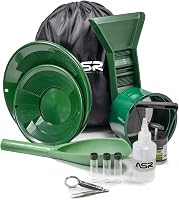
A classifier lets water and smaller material pass through while holding back larger pieces. The SE Gold Prospecting-Sifting-Panning is a stackable classifier with a 1/12-inch stainless-steel mesh; its maker describes it as a way to screen gravel, rocks, soil, and debris.
A mesh that is too coarse can let small flakes pass through with the screened material. Check both the retained rocks and the material that passes through before deciding which fraction to keep.
Read our gold panning equipment guide to compare the tools that help prepare and process material. For a broader look at options, see best gold recovery methods.
How should you use a pan for tiny flakes?
Use a pan with enough room for controlled movement and riffles that help retain material. Keep the pan at a shallow angle and work in small amounts, especially during the final cleanup.
The SE 14 Inch Gold Panning Pan has deep riffles and micro riffles, with the micro riffles intended to help trap fine sediment and black sand. Its green plastic pan is lightweight and has a base that holds material as you work.
Add only enough water to let the material move without rushing. Short shakes settle the heavy grains; a gentle wash then carries lighter sand across the surface.
If the material keeps crowding the pan, split it into smaller batches. Our guide to best flour gold recovery equipment covers tools for handling very fine gold, and the gold wheel for prospecting explains another cleanup option.
How can you control water during final cleanup?
Use a small, steady amount of water and avoid strong currents around the concentrate. The goal is to move light sand without sending fine gold over the rim.
Choose a calm spot where you can keep the pan level and see the bottom clearly. If the water is too fast to control, move to a sheltered area or use a container to work through the final material more slowly.
A hand pump can move collected water from a small boat, kayak, or another place water gathers, but it isn’t a gold separator. The SeaSense Hand Bilge Pump is a self-priming manual pump with a removable hose for water removal.
For gold separation, keep the focus on pan movement and careful inspection. A gold centrifugal concentrator is a separate option to research if you want to process fine material with equipment.
What should you do with the final concentrate?
Keep the final concentrate until you have checked it in good light. Spread a small amount in a shallow dish or pan, add water, and move it gently so any flakes become easier to spot.
Use a clean, contrasting surface and look from more than one angle. Gold may appear as small, flat flakes; dark sand and other shiny grains can look similar, so don’t identify a speck from color alone.
If you’re not sure what you’re seeing, save the sample and examine it again rather than discarding it. The best gold clean up equipment guide covers tools that can help with the final inspection.
Before panning at a new spot, check whether access and collecting material are allowed there. Our guide answers can you pan for gold anywhere.
How to recover fine gold without losing the last flakes
Use small batches, gentle water, and frequent checks. Keep black sand with the concentrate until you have separated and inspected it, and save any material you’re unsure about.
Choose a classifier if oversized gravel is slowing your panning, and use a pan that gives you room to work the last material carefully. If you want to compare other approaches, start with best gold recovery methods and pick the method that suits your material and setup.
Frequently asked questions
How do you keep fine gold from washing out of a pan?
Keep the pan nearly level, use a gentle flow, and remove only a little light material at a time. Let heavier grains settle between washes, and stop before the last black sand is gone so you can inspect the remaining concentrate closely.
Should you remove black sand before panning?
Screen out oversized rocks and debris before panning, but keep the black sand with the heavy concentrate until you can separate it carefully. Tiny gold can remain mixed with black sand, so discard that material only after checking it.
What pan movement works for fine gold?
Use short, controlled side-to-side motions to settle heavy material, then gently wash the lighter sand from the surface. Avoid fast swirling or a steep tilt, which can carry small flakes toward the rim before you see them.
Can a classifier help recover flour gold?
A classifier removes larger gravel before you pan, making the remaining material easier to work in small batches. Choose a mesh that suits the material and keep every screened fraction until you know which sizes contain gold.