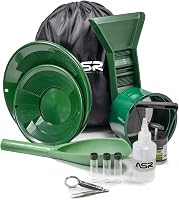
How to Pan for Gold Properly
To pan gold properly, keep the gravel submerged, swirl it gently, and wash away only a little light material at a time. Stop often to check for small flakes before tipping more sand and gravel from the pan.
On this page (10 sections)
- How do you pan gold properly?
- What should you prepare before you start?
- How does gold panning work?
- How can you keep small flakes from washing away?
- Should you screen gravel before panning?
- Which pan makes it easier to learn?
- How do you manage water while panning?
- What should you do with the final concentrate?
- What mistakes cause beginners to lose gold?
- How should you practice panning gold properly?
To pan gold properly, keep the gravel underwater, swirl it gently, and wash away only a little light material at a time. Pause to check for small flakes before you tip more sand and gravel from the pan.
Gold is heavy, but a tiny flake can still escape if you rush, shake too hard, or let the pan get too steep. Work in small batches and keep the concentrate low in the pan as you clean it.
How do you pan gold properly?
Submerge the material, break up clay, and use a gentle swirl to settle heavy particles. Then tilt the pan slightly and wash a thin layer of lighter material over the rim.
- Fill the pan partway with gravel and water.
- Break apart clumps under the water so gold is not trapped in clay.
- Shake the pan side to side with the gravel submerged.
- Tilt the pan a little and let the lightest material wash out.
- Stop, level the pan, and inspect the remaining material.
- Repeat in small steps until you have a small amount of heavy concentrate to examine.
Keep the pan's low side aimed away from you so you can see what is moving toward the rim. If material starts to slide out in a wave, level the pan and settle it before washing again.
What should you prepare before you start?
Choose a stable, legal spot and gather a pan, water, and a small batch of material. Check local rules before collecting gravel or using a stream, since access and prospecting rules vary by place.
A shallow tub or a calm edge can help contain water while you learn the movements. Keep children and pets away from deep or fast water, and don't stand on slippery rocks or undercut banks.
For a first session, use a small amount of material rather than filling the pan to its rim. A manageable batch is easier to keep underwater and inspect.
The gold panning equipment guide covers pans, classifiers, and other basic gear. The core idea is simple: remove large debris first, then use water and controlled movement to separate heavier material from lighter gravel.
How does gold panning work?
Gold panning works by using water and motion to separate heavy particles from lighter sand and gravel. As you shake and tilt the pan, lighter material moves toward the rim while heavier material settles lower.
Gold does not always appear as a bright nugget. Fine flakes can sit among dark, heavy sand, so inspect the remaining material in good light and move it slowly.
Read more about how gold panning works if you want the separation process explained in more detail. Understanding why material settles helps you choose gentler movements when only a little concentrate remains.
How can you keep small flakes from washing away?
Use short shakes and shallow tilts, especially as the amount of gravel gets smaller. The closer you get to the last few spoonfuls, the less force you need.
Keep water over the material while settling it. A dry or nearly dry pan can let flakes slide with the gravel, while a steep tilt can carry them over the rim.
After every few rinses, flatten the pan and look across the surface. If you spot a flake, stop washing and let the material settle before moving it again.
Avoid vigorous circular motion when the pan contains only fine concentrate. Gentle rocking and a controlled rinse give you more time to see whether a flake is moving.
What if the gravel is clay-heavy?
Break clay apart underwater before you begin washing away gravel. Gold can remain stuck inside a clump if you leave it intact.
Use your fingers to crumble the clay gently, then let the pieces settle. Don't squeeze or rub the material above the pan, where tiny flakes could fall out.
If a large clump will not break down, set it aside and work it slowly. The goal is to expose the material without splashing it out.
Should you screen gravel before panning?
Screening out large rocks can make a batch easier to pan and inspect. A classifier lets smaller material pass through while holding back larger debris.
The SE Gold Prospecting-Sifting-Panning classifier has a 1/12 in stainless steel mesh and a stackable design. It can help separate larger rocks and debris before you work the material in a pan.
Use a classifier that sits securely over your bucket or pan, and avoid overfilling it. Keep the rejected rocks nearby until you have finished processing the smaller material.
Screening is optional for a small practice batch. If the gravel is already fine, you can start with the pan and save the extra step.
Which pan makes it easier to learn?
A pan you can control comfortably makes it easier to practice slow, repeatable movements. Choose a size you can keep level while shaking and tilting.
The SE 14 Inch Gold Panning Pan is a green plastic pan with deep and micro riffles. Its light plastic construction and different riffle sizes give you separate areas for moving larger sediment and finer material.
Start with only a partial load so water and gravel can move without spilling. The pan's riffles can hold material, but they do not replace careful washing and inspection.
If you are deciding where to practice, see how to pan for gold at home. For a natural waterway, read how to gold pan in a river and check the rules for your location.
How do you manage water while panning?
Use a calm water source and keep the pan low enough to control spills. If you need to remove standing water from a boat or other small area, a hand pump can move it without scooping.
The SeaSense Hand Bilge Pump is a manual, self-priming pump for removing water from small boats, kayaks, canoes, and other places where water collects. It includes a removable hose for storage.
This pump is for water removal, not for separating gold or replacing a pan. At a creek, use the waterway only as local rules allow and keep your footing secure.
For location-specific advice, see how to pan for gold in a creek. If you are deciding whether the hobby still suits you, do people still pan for gold? explains why people continue to use the method.
What should you do with the final concentrate?
Reduce the concentrate slowly and inspect it in good light. Keep the material in the pan while removing only a little at a time.
Tilt the pan enough to move lighter sand, then stop before the remaining material reaches the edge. If you see a flake, keep it submerged and let it settle with the heavier material.
A small vial or other secure container can hold recovered material, but check local rules about collecting and keeping it. Don't rinse concentrate into a stream or discard it where small flakes could be lost.
If water is unavailable, how to dry pan for gold covers a different approach for moving dry material. For practice material, see best gold panning dirt, and check whether it can be used where you plan to pan.
What mistakes cause beginners to lose gold?
The most common avoidable loss comes from washing too much material at once. Fast shakes, steep tilts, and unchecked clumps can also send flakes out of the pan.
- Overfilling: Use smaller batches so gravel stays below the rim.
- Rushing the wash: Remove thin layers and pause often.
- Skipping clay: Break clumps apart underwater.
- Tilting too far: Keep a shallow angle until you know what is moving.
- Stopping before inspection: Look through the dark concentrate carefully before discarding it.
If material spills, recover it from a contained tub or bucket when possible. Don't chase spilled gravel into unsafe water or disturb a protected area.
How should you practice panning gold properly?
Practice the same gentle sequence with small batches until you can control the pan without spilling. Focus on keeping the material wet, settling it, and checking between rinses.
Start with a shallow load and a comfortable stance. Once the material settles, make small movements and watch how gravel travels toward the rim.
Choose a basic pan if you want to practice the wash itself, and add a classifier if large rocks slow you down. Keep the movements small enough that you can see each step and pause whenever you are unsure where the fine material is going.
Frequently asked questions
How do you pan gold without losing small flakes?
Keep the material underwater, tilt the pan only slightly, and use short, gentle shakes to move lighter gravel toward the lip. Wash off a small amount at a time, then pause and inspect the remaining concentrate.
If you see a flake, lower the pan and settle it before continuing.
Should you classify dirt before gold panning?
Screening out larger rocks before panning can make the material easier to wash and inspect. Use a classifier that fits over your pan or bucket, and check local rules before collecting gravel.
Keep the unscreened material nearby until you know the smaller portion is fully processed.
Can you pan for gold in a creek?
You can pan in a creek where recreational prospecting is allowed, but access, collection, and equipment rules vary by location. Choose a calm, shallow spot with a safe place to stand, and avoid undercut banks or fast water.
Carry water away from the creek if local rules require it.
What does “pan for gold” mean?
To pan for gold means washing gravel or sediment in a shallow pan so lighter sand and debris move away while heavier material, including any gold, settles. The method relies on careful water movement and repeated inspection, because tiny flakes can wash out with the lighter material.