Fisher F75 Metal Detector Review: Worth It? (November 2026)
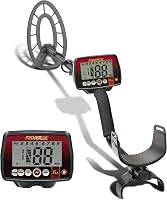
The Fisher F75 suits detectorists who want more adjustment than a basic machine, with FastGrab ground balance, double-filter discrimination and a 0-99 target ID display. It weighs 4.7 lb, runs on 4 AA batteries, and pairs best with a dedicated pinpointer for precise digging.
On this page (9 sections)
- Fisher F75 at a glance
- Who the Fisher F75 suits best
- Specs that matter in daily use
- Setting up the Fisher F75 for a hunt
- Sweep technique and pinpointing with the F75
- Care, storage and battery habits
- Trade-offs to weigh before you buy
- Fisher F75 compared with simpler Fisher models
- Verdict: should you buy the Fisher F75?
The Fisher F75 is a more adjustable Fisher for detectorists who want manual control over ground balance, discrimination and target ID. This Fisher F75 metal detector review looks at its screen, controls and daily use, so you can judge if it fits your hunting style.
It suits coin, relic, beach and prospecting use, according to Fisher. It is not the simplest Fisher to learn, so read the setup sections before you buy.
Our score weighs specs, features and buyer feedback against what you are shopping for. We checked the specs and compared them with the two pinpointers below.
Fisher F75 at a glance
The F75 offers visual and audio target ID with a 0-99 numeric display. That number, plus the bar graph, gives you two ways to judge a signal before you dig.
Fisher F75 Multi-Purpose Metal Detector: Best for adjustable hunting

- Large LCD with 0-99 numeric target ID
- Double-filter discrimination
- FastGrab ground balance
- Trigger-actuated pinpointing
- Non-volatile memory
- Backlight for low light
A mid-range Fisher with a wide set of manual controls for coin shooting, relic hunting, beach hunting and gold prospecting. You get more tuning options than a simple preset machine, and you need to learn them to get the most from it.
Pros
- FastGrab ground balance is quick to set
- Numeric ID plus bar graph aids digging decisions
- Settings stay saved in memory
- Backlight helps in low light
- 5-year parts and labor warranty from First Texas Products, LLC
Cons
- 4.7 lb weight adds up on long hunts
- More controls mean a longer learning curve
- Pinpointing still benefits from a separate pinpointer
It weighs 4.7 lb and extends to 28.5 in. At that weight, arm fatigue matters more than raw specs on a full day out.
Fisher recommends it for coin shooting, relic hunting, beach hunting and gold prospecting. Those uses share one need: telling good signals from trash in mixed ground.
The listing describes it as an advanced visual and audio target ID detector. Fisher presents it as a premier relic hunting and general purpose machine in that product description.
Its black color and metal construction are listed in the specs. The model is sold as a single unit, with model number F75 and manufacturer First Texas Products, LLC.
Who the Fisher F75 suits best
The F75 suits detectorists who like tuning their machine. FastGrab ground balance, double-filter discrimination and a mineralization readout reward owners who adjust settings for local soil.
It suits you if you hunt trashy areas where discrimination saves digging. Two discrimination modes help you set different levels of rejection, rather than rely on one preset.
It may be too much if you want a turn-on-and-go machine with few controls. A simpler model lets you focus on sweep technique and ground coverage first.
Our fisher f22 metal detector review covers a simpler Fisher for comparison. That helps you see what extra control the F75 adds.
It also suits hunters who return to the same sites often. Saved settings and a numeric ID make it easier to compare signals from one visit to the next.
Relic hunters may value the mineralization readout most. Old sites often sit in iron rich soil, and that display gives a clue about why signals sound unstable.
Specs that matter in daily use
The large LCD screen shows a 0-99 numeric target ID. Numbers help you log repeatable signals, while the bar graph shows strength and mineralization at a glance.
Fisher lists battery average life at 100 hours in the specs. The feature list also says typically 40 or more hours with 4 AA alkaline batteries, so plan on the lower figure for real hunts.
The machine has non-volatile memory that saves settings. That saves time when you restart a hunt in the same place with the same setup.
A backlight supports low light hunting. It helps you read the screen at dawn or dusk, though it will use battery power faster.
The Double-D search coil is listed as waterproof. That refers to the coil, not the full control box, so check humidity and rain guidance before wet hunts.
Weight, length and protection ratings
The listed item dimensions are 10.25 inches by 6.25 inches by 28.5 inches. That size reflects the detector at its extended length for transport and storage.
The international protection rating is listed as IP44. That rating applies to the product as specified, and it should not be read as permission to submerge the control housing.
The power source is battery powered, with no charging dock listed. Using standard AA cells means you can buy replacements at most shops on a long trip.
Operating humidity is listed as 0 to 90 percent non-condensing. Condensation occurs when moisture forms inside the housing, so sudden temperature changes deserve care.
How the controls help in trashy ground
Double-filter discrimination is the main tool for cutting trash signals. You can set rejection levels for different trash types, then listen for the targets you want to keep.
The magnetic mineralization bar graph and readout show ground conditions. High mineralization can make targets harder to read, so this display helps you lower sensitivity or adjust balance.
Trigger-actuated pinpointing uses variable audio pitch to center the target. As you move the coil, pitch changes help you find the strongest response.
That system works well, but it still covers a wider area than a handheld pinpointer. Pairing it with a pinpointer saves time and digging.
If you are new to discrimination, read What Can You Find With a Metal Detector? first. It explains typical target types and why machines reject some signals.
The combination of numeric ID and audio pitch matters in practice. You can check the number for a likely coin or relic signal, then use pitch to mark the center before digging.
Setting up the Fisher F75 for a hunt
Start with fresh batteries and a firm grip on the controls. Fit 4 AA alkaline batteries and power on away from fences and buried pipes.
Press the FastGrab trigger to set ground balance for the soil under you. This helps reduce false signals from mineralized ground.
Raise sensitivity to the highest level without chatter. Too much sensitivity creates noise that can hide real targets.
Set discrimination at a moderate level, then raise it if trash dominates. Dig a few trash signals early to learn how targets sound.
Save your settings in memory for your next hunt. Note the soil type and settings that worked on a small card for each site.
Sweep technique and pinpointing with the F75
Keep the coil level and close to the ground on each pass. A steady height keeps the numeric ID stable and makes pinpointing easier.
Use slow, overlapping sweeps and listen for repeatable signals. A signal heard from two directions is more likely to be a real target.
Center the strongest audio pitch with the trigger pinpoint feature. Mark the spot and check the numeric ID again before you dig.
Tighten the search with short back-and-forth movements. Pitch should rise at the center and fall as you move away.
Slow down near a signal instead of rushing to dig. A clean, repeatable response is more useful than a loud response heard only once.
Care, storage and battery habits
Wipe the control housing and coil with a soft, damp cloth after sandy hunts. Sand in the controls can wear buttons and seals over time.
Store the F75 in a dry place with batteries removed for long storage. That reduces the risk of battery leakage damaging contacts.
Fisher lists an operating humidity range of 0-90% non-condensing. That means dry air humidity, not full submersion of the control box.
A rain cover is listed as available for the control and battery housings. Use it in steady rain, and still avoid dunking the control box in water.
Check the coil and cable for cracks after rocky hunts. A damaged cable can cause erratic signals that look like ground noise.
Clean the screen with a soft cloth and avoid harsh chemicals. The LCD is useful, but scratches can make the numeric ID harder to read in bright sun.
Let a wet coil dry before storage. Trapped moisture in a bag can cause condensation, even when the room itself feels dry.
Trade-offs to weigh before you buy
The main trade-off is control versus simplicity. The F75 gives you ground balance, two discrimination modes and numeric ID, but each control needs learning.
At 4.7 lb, the F75 is light for its class, yet a full day of swinging still tires your arm and shoulder. Battery life is solid, but 4 AA batteries are a running cost, so carry spares.
Fisher lists an industry leading 5 year parts and labor warranty through First Texas Products, LLC. That is a plus for long term ownership.
Compare that with our best fisher metal detectors guide to see where the F75 sits in the range. It helps you judge if a step up or down fits your budget and skill.
The learning curve is real but manageable. Practice balance and discrimination on known targets in a test garden to learn faster.
Garrett Pro-Pointer AT as a companion tool
The Garrett Pro-Pointer AT pinpoints targets the F75 can only narrow down. Its Fast Retune feature narrows the detection field and helps tune out mineralized ground.
It has 3 sensitivity levels and one-button control. That simple setup suits wet hunts where you wear gloves.
The Garrett is listed as waterproof to 20 feet, with an IP8 rating in the specs. Its bright orange casing also helps you spot it in water or on a beach.
It weighs 8 ounces and includes a woven belt holster and a 9 volt battery. A sound, vibration and silent mode are described in the product details.
The built in ruler is molded into the side in inches and centimeters. That helps you judge depth as you dig, rather than guessing from the hole size.
Minelab PRO-FIND 35 as a companion tool
The Minelab PRO-FIND 35 adds ferrous tone ID to pinpointing. Two tone responses help you tell junk from treasure before you dig.
It offers 5 sensitivity levels plus audio and vibration. Vibration helps when beach noise makes audio hard to hear.
The Minelab pinpointer is waterproof to 10 feet, with an IP54 rating listed. It also includes a built in flashlight, holster and lanyard.
It weighs 6.4 ounces and has a two year manufacturer warranty listed in the specs. That warranty period is shorter than the five year warranty listed for the Fisher F75.
Compared with the Garrett, the Minelab trades deeper waterproofing for tone ID and more sensitivity levels. Your choice depends on whether you hunt deeper water or want extra target information.
Fisher F75 compared with simpler Fisher models
The F75 sits above basic Fisher models in control and features. Models such as the F22 and F44 offer fewer adjustments, which suits a first machine or a backup unit.
Our fisher f44 metal detector review shows a closer step in the Fisher line. Read it to see if you need the F75's extra ground balance tools.
New users may also benefit from How to Use a Fisher F2 Metal Detector. That guide explains basic sweep and ID habits that transfer to any Fisher.
If you plan beach or shallow water work, check how to use fisher gemini 3 metal detector. It covers a different Fisher approach for deep or large targets.
For basics on detector use, What Is a Metal Detector Used For? The Basics sets out common tasks and limits.
The F75 is aimed at hunters who want to adjust for local ground, while simpler models suit hunters who want to start quickly.
Verdict: should you buy the Fisher F75?
Buy the Fisher F75 if you want adjustable ground balance and discrimination and plan to hunt trashy or mineralized ground often. Its numeric ID, memory and backlight make daily use easier once you learn the controls.
Skip it if you want the simplest machine for your first hunts. A basic Fisher or a pinpointer-first kit may teach you sweep skills with less setup.
Our final rule is simple. Pick the F75 for control, pick a pinpointer for precision, and pick a simpler Fisher for a first machine.
That match matters more than any single score.
If you hunt relic sites or old coin spots, the extra controls are worth the practice time. If you mainly hunt clean parks, a simpler model may serve you just as well.
Give yourself a few practice sessions before judging it. Ground balance and discrimination make more sense once you have heard how different targets sound in your local soil.
Frequently asked questions
Is the Fisher F75 good for beginners?
The F75 can work for beginners who are willing to learn ground balance and discrimination settings. It offers more adjustment than a basic preset machine, so a beginner should spend practice time on clean ground first.
Simpler Fisher models may suit a first purchase if you want less to set up.
What batteries does the Fisher F75 use?
The Fisher F75 runs on 4 AA alkaline batteries. Fisher says typical use gives 40 or more hours, and the spec average life is listed at 100 hours under test conditions.
Carry spare AA batteries on longer hunts so a low battery does not end a session early.
Is the Fisher F75 good for beach hunting?
Fisher recommends the F75 for beach hunting, coin shooting, relic hunting and gold prospecting. Its FastGrab ground balance helps you adjust to wet sand and mineralized ground.
The Double-D search coil is listed as waterproof, while the control housing has extra protection options.
Does the Fisher F75 need a pinpointer?
A pinpointer is not required, but it speeds up recovery and reduces digging. The F75 has trigger-actuated pinpointing with variable audio pitch, which helps you narrow the target area.
A separate pinpointer such as the Garrett or Minelab models listed here narrows the spot further.