What Is a Metal Detector Shaft? Answered Simply
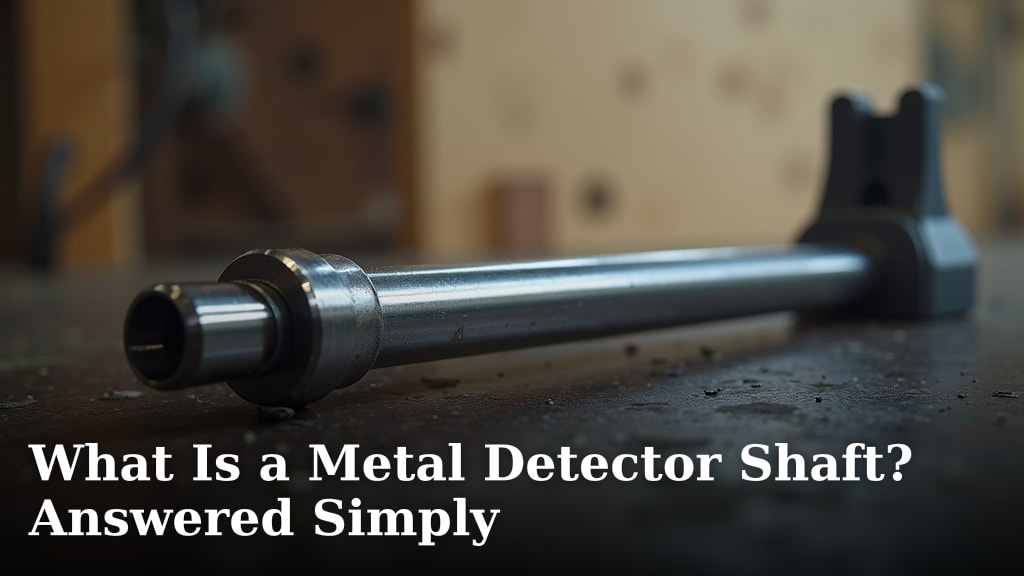
A metal detector shaft is the long, adjustable pole that connects the control box to the search coil on your metal detector. It’s a key component for holding and maneuvering the detector. Think of it as the detector’s backbone, keeping everything steady as you sweep.
The shaft lets you adjust the detector’s length for comfort. This is important for people of different heights. A good shaft also helps you balance the detector. This reduces fatigue during long detecting sessions. We found that shaft design greatly impacts your detecting experience.
- It’s the main pole connecting the control box and coil.
- It allows you to adjust detector length for your height.
- A good shaft helps balance the detector for comfort.
- It’s essential for maneuvering the coil over the ground.
Ready to learn more about this important part? Let’s break down exactly what makes up a metal detector shaft and why it matters for your finds.
“`htmlUnderstanding Your Metal Detector’s Shaft
The shaft is the backbone of your metal detector. It’s the long pole that holds everything together. You’ll hold onto it to swing the detector. The control box sits at the top. The search coil attaches to the bottom. This simple design lets you cover ground effectively. Research shows the shaft plays a big role in how comfortable detecting feels. It helps you manage the weight of the detector. This means you can search for longer periods.
What Makes Up the Shaft?
Metal detector shafts are usually made of lightweight but strong materials. You’ll often find them made of aluminum or carbon fiber. These materials offer a good balance of durability and low weight. This is important because you’ll be holding the detector for a while. The shaft is typically divided into sections. This allows for adjustment. Most shafts have at least two or three sections that slide into each other.
Material Matters
Aluminum shafts are very common. They are affordable and durable. They can handle a good amount of wear and tear. However, aluminum can be a bit heavier than other options. Carbon fiber shafts are lighter. They can also be stronger. This makes them a great choice for serious detectorists. Many experts point out that carbon fiber reduces fatigue. But, carbon fiber is usually more expensive. When we looked at different models, shaft material was a key difference. It affects both the price and the user experience.
Adjustability and Locking Mechanisms
The ability to adjust the shaft length is vital. This lets you set the detector to your height. You want the control box to be comfortable to reach. You also want the coil to be close to the ground. This requires finding the right balance. Most adjustable shafts use locking mechanisms. These hold the sections firmly in place. Common types include twist locks or clamp locks. We found that clamp locks are often easier to use. They provide a secure hold. Twist locks can sometimes slip if not tightened properly. Having a reliable lock prevents the shaft from collapsing unexpectedly. This can save you from bending over awkwardly.
The Importance of Balance and Ergonomics
A well-designed shaft contributes greatly to the detector’s balance. When a detector is balanced, it feels lighter. It’s easier to swing smoothly. This smooth swinging motion helps you cover more ground. It also helps you avoid missing targets. Many detectorists spend hours in the field. Comfort is not just a luxury; it’s a necessity. A poorly balanced detector can cause strain. We found that even a slight imbalance can lead to fatigue in your arms and shoulders.
Reducing Fatigue
The shaft’s design directly impacts how the detector feels in your hands. Think of it like a fishing rod. A well-balanced rod is enjoyable to use. A poorly balanced one becomes a burden. The shaft helps distribute the weight of the control box and coil. Some shafts are designed to have a specific center of gravity. This makes the detector feel more natural to swing. Many experienced users report that a good shaft reduces wrist strain. It also helps prevent shoulder pain over time. This means you can enjoy your detecting hobby for longer.
Ergonomic Grips and Armrests
While not strictly part of the shaft itself, grips and armrests are often attached to it. The top of the shaft usually has a handle for your hand. Many detectors come with padded grips. These make holding the detector more comfortable. An armrest is usually found lower on the shaft. It supports your forearm. This further reduces strain on your arm and wrist. We found that detectors with well-designed grips and armrests are more pleasant to use. They make long detecting sessions much easier.
Connecting the Components: How the Shaft Works
The shaft serves as the central connection point for your detector. At the top, it usually houses the control box. This box contains all the electronics. It’s where you adjust settings and hear signals. The shaft often has channels or clips. These keep the control box cable neatly managed. This prevents it from snagging on bushes or the ground. At the bottom, the shaft connects to the search coil. The coil is what actually detects the metal. It’s the part you sweep over the ground. The shaft keeps this coil at the correct height.
Cable Management
Proper cable management is often overlooked. The cable runs from the search coil up to the control box. If this cable is loose, it can catch on things. This is annoying and can even damage the cable. Many shafts have clips or channels. These keep the cable secure and tidy. Some higher-end detectors have internal cabling. This eliminates the external cable entirely. However, for most detectors, external cable management is common. We found that a well-managed cable is less likely to cause problems. It also makes the detector easier to handle.
Coil Mounting
The bottom of the shaft has a mounting bracket for the search coil. This bracket is designed to hold the coil securely. It also allows the coil to pivot. This pivoting action is essential. It lets you keep the coil parallel to the ground. This ensures consistent detection depth. You want the coil to be as close to the ground as possible without hitting it. The shaft’s design allows you to adjust the angle if needed. It also allows for easy removal or swapping of coils.
Different Types of Shaft Designs
Shafts aren’t all the same. Manufacturers have developed various designs. Some are simple and functional. Others are designed for maximum comfort and adjustability. You’ll commonly see straight shafts. These are straightforward and reliable. Then there are S-shaped shafts. These are designed for better ergonomics. They can sometimes offer a more balanced feel.
Straight vs. S-Shaped Shafts
Straight shafts are the most basic. They consist of one or more straight tubes. They are generally durable and easy to manufacture. S-shaped shafts have a curve. This curve is designed to position the control box at a more comfortable angle. It can also help with the detector’s balance. Many users prefer the feel of an S-shaped shaft. We found that personal preference plays a big role here. What feels good to one person might not feel as good to another. Some brands offer both options.
Three-Piece vs. Two-Piece Shafts
Most adjustable shafts come in two or three pieces. A two-piece shaft is simpler. It usually has a lower shaft and an upper shaft. A three-piece shaft offers more adjustability. It typically has an upper shaft, a middle shaft, and a lower shaft. This extra section allows for a wider range of length adjustments. This can be particularly helpful for very tall or very short users. It also makes the detector more compact for transport. We found that three-piece shafts are generally more versatile. They can accommodate a wider range of users.
Making the Right Choice for You
Choosing a metal detector often comes down to features and performance. But don’t forget the shaft! It’s your main point of contact with the machine. Think about how you’ll be using your detector. Will you be detecting for short periods? Or will you be out for hours? Your height is also a factor. Consider the materials. Do you want the lightest option? Or is a more affordable material fine?
Here’s a quick checklist to help you think about shafts:
- Your Height: Does it adjust enough for you?
- Comfort: Does it feel balanced and easy to swing?
- Material: Is it lightweight and durable enough?
- Locking Mechanism: Does it hold the length securely?
- Ergonomics: Does it have a comfortable grip and armrest (if applicable)?
- Portability: Does it break down easily for transport?
We found that paying attention to the shaft can make a big difference. A comfortable, well-balanced detector makes searching more enjoyable. It can even lead to better finds. Don’t let a poor shaft design cut your detecting time short!
“`
Conclusion
Your metal detector’s shaft is more than just a pole; it’s your primary connection to the machine. We’ve seen how its design impacts comfort, balance, and overall detecting enjoyment. A well-chosen shaft, made from materials like aluminum or carbon fiber, can make long hours in the field feel much easier. Pay attention to adjustability and secure locking mechanisms for a personalized fit. Don’t underestimate how a good shaft can improve your experience. Your next step should be to assess your current detector’s shaft or consider it carefully when looking at new models to ensure many happy detecting sessions.
Frequently Asked Questions
What’s the main difference between aluminum and carbon fiber shafts?
Aluminum shafts are generally more affordable and quite durable, but can be heavier. Carbon fiber shafts are significantly lighter and often stronger, which can reduce fatigue during long detecting sessions. However, carbon fiber shafts typically come with a higher price tag.
Why is adjustability so important for a metal detector shaft?
Adjustability allows you to customize the detector’s length to your specific height. This ensures the control box is easily reachable and the search coil is positioned correctly near the ground. Proper adjustment helps maintain good balance and prevents strain on your body.
Can the shaft really affect how many targets I find?
Yes, indirectly. A well-balanced and comfortable shaft makes it easier to swing the detector smoothly and cover more ground without fatigue. This consistent motion increases your chances of sweeping over targets you might otherwise miss due to discomfort or strain.
What should I look for in a locking mechanism on an adjustable shaft?
You want a locking mechanism that holds the shaft sections firmly in place without slipping. Clamp locks are often easier to use and provide a very secure hold. Twist locks can also work well if they are kept tight, preventing the shaft from collapsing unexpectedly.
Are S-shaped shafts always better than straight shafts?
Not necessarily better, but often more ergonomic. The curve of an S-shaped shaft can position the control box more comfortably and improve the detector’s balance for some users. However, personal preference plays a large role, and some people find straight shafts work perfectly fine for them.