Minelab vs Garrett Metal Detectors: Which to Choose? (November 2026)
Choose Minelab for multi-mode detector features and Garrett for simple pinpointing or security scanning. The right choice depends on the kind of metal detecting you plan to do.
On this page (8 sections)
- Minelab vs Garrett metal detectors: what is the main difference?
- Which brand is better for ground searching?
- Which brand is better for pinpointing?
- Which tool works best at the beach or in wet soil?
- Is the Garrett Super Scanner V a metal detector?
- How should beginners compare Minelab and Garrett?
- Can you use a Minelab pinpointer with a Garrett detector?
- Minelab vs Garrett: which should you choose?
Choose Minelab for full-size, multi-mode ground detecting, or Garrett for straightforward pinpointing and handheld security scanning. This Minelab vs Garrett metal detectors comparison is really a comparison of different tools, so the right brand depends on your hunting task.
Minelab's X-Terra PRO is a full-size detector with Park, Field and Beach modes, switchable frequencies and 30 discrimination segments. Garrett's products here include a waterproof pinpointer and a handheld security wand, so they serve different roles.
That difference in design matters more than the brand name on the label. A full-size detector is made to scan ground over a wide area, while a pinpointer is made to find a small target inside a hole or on the surface.
A security wand is made for a different job again, which is checking people, bags or items at close range.
If you start by naming the job, the choice gets calmer and clearer. You can picture where you will use the tool, how often you will carry it and what kind of feedback you want.
That simple step stops a search for a detector from turning into a contest between logos.
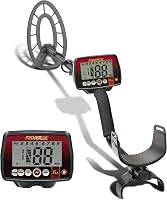
The X-Terra PRO suits people who want one detector for parks, fields and beaches. Its preset modes give a starting point for each kind of ground, and its discrimination segments let you shape what the detector will report.
Its 12-inch search coil and 3-piece shaft are built for regular ground searching rather than a quick check of one spot.
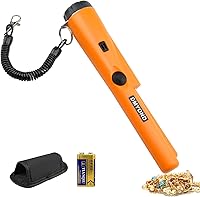
The Garrett Pro-Pointer AT suits a more narrow task. It is a pinpointer for recovery work after a main detector has given you a signal, with one-button control and submersion to 20 ft.
Its orange casing is easy to see in shallow water, and its fast retune helps narrow the detection field when the target is close.
The Minelab PRO-FIND 35 also serves recovery work, but with a different set of controls. It has 5 sensitivity levels, Ferrous Tone ID and Detector Interference Free technology for use beside an operating detector.
It is aimed at expert detectorists who want more target feedback during the recovery stage.
The Garrett Super Scanner V should not be confused with either of those tools. It is a handheld security wand with an 8-inch scan surface and audible or silent and vibrate alerts.
It can detect ferrous, nonferrous and stainless steel items, but it is not built to search parks, fields or beaches.
If you're still deciding which tool fits your plans, start with our guide to how to choose a metal detector. It helps separate ground searching, pinpointing and security scanning before you compare brands.
Once you know the task, you can weigh the details that matter in daily use. Think about waterproof depth, weight, controls, target feedback and how much learning you want to do at the start.
That approach will lead you to the tool you will actually use, rather than the one that only looks best on paper.
 Best for expert pinpointing
Minelab PRO-FIND 35 Waterproof Pinpointer Metal Detector
 Best for all-terrain searching
MINELAB X-Terra PRO All-Terrain Professional Fully Waterproof
Minelab vs Garrett metal detectors: what is the main difference?
Minelab offers the full-size ground detector in this comparison, while Garrett focuses here on pinpointing and security scanning. That makes the product category more important than the logo on the housing.
The Minelab X-Terra PRO has a 12-inch search coil, LCD display and 3-piece shaft. Its Park, Field and Beach modes are designed for different terrain types, and its Pro-Switch engine lets you switch frequencies.
The Minelab PRO-FIND 35 is a separate pinpointer. It helps narrow a target after your main detector has identified an area, with 5 sensitivity levels, Ferrous Tone ID and Detector Interference Free technology.
Garrett's Pro-Pointer AT fills the same pinpointer role. It uses one-button control, 3 sensitivity levels, fast retune and a molded inch and centimeter ruler.
The Garrett Super Scanner V is different from both. It is a handheld security wand with an 8-inch scan surface, self-calibrating technology and audible or silent/vibrate alert options.
For a wider look at brands and how they differ, see which metal detector brand should you choose?.
Which brand is better for ground searching?
Minelab is the stronger fit for ground searching among these products because the X-Terra PRO is a full-size detector with terrain modes and a search coil. The Garrett products shown here are pinpointers or a handheld security wand.
The X-Terra PRO has 2 Park, 2 Field and 2 Beach pre-programmed Search Modes. That gives you a starting point for common terrain types without requiring every setting to be built from scratch.
Its 30 discrimination segments let you control which target ranges you want to detect or ignore. Pinpoint mode helps you narrow the target area before digging.
The detector weighs 2.9 lb and uses lightweight 3-piece shafts. It packs down to 25 inches, which can make transport easier when you move between parks, fields and beaches.
The large LCD, red backlight display, backlit keypad, control pod flashlight and handgrip vibration support use after daylight. These features may suit beginners who want visible and tactile feedback, as well as experienced hunters who want more control.
Our guide to the best all around metal detectors can help if your plans include several types of ground and you want to compare more full-size options.
Who should choose the Minelab X-Terra PRO?
Choose the X-Terra PRO if you need one detector for parks, fields and beaches. Its terrain modes, 30 discrimination segments and switchable frequencies give you more ground-search controls than either Garrett product in this comparison.
It is fully IP68 waterproof to 16 ft. That makes the stated water protection much deeper than a typical rain-safe design, but you should still follow the operating instructions for underwater use.
The X-Terra PRO is battery powered and has a 7.69 KHz operating frequency. Its 12-inch search coil is designed for full-size ground detection, unlike a pinpointer probe or security wand.
The trade-off is a larger control system. If you only need to locate a target inside a hole, a pinpointer is a more focused tool and takes less space.
Which brand is better for pinpointing?
Garrett is the better fit for deeper pinpointer submersion, while Minelab is the better fit for more sensitivity steps and Ferrous Tone ID. Both products are battery powered and designed to help locate targets after a detector has found an area.
The Garrett Pro-Pointer AT is submersible to 20 ft, compared with 10 ft for the Minelab PRO-FIND 35. Garrett's orange casing can also make the tool easier to notice around water.
Garrett uses a single button for power, retune, sensitivity adjustment and stealth mode. Fast retune can narrow the detection field or tune out mineralized ground, which helps when you need to isolate a target.
Minelab's PRO-FIND 35 has 5 sensitivity levels. It also uses two different responses for ferrous and nonferrous targets, with intensifying vibration and audio as the probe approaches a target.
The Minelab pinpointer weighs 6.4 oz and includes a built-in flashlight, holster and lanyard. The Garrett weighs 8 oz and includes a woven belt holster and 9-volt battery.
Minelab PRO-FIND 35: best for adjustable feedback
The Minelab PRO-FIND 35 suits experienced detectorists who want 5 sensitivity levels and Ferrous Tone ID. Its DIF technology is designed to reduce interference while another metal detector is operating.
Use the sensitivity controls to adapt to different ground conditions. Lower settings can help reduce noise, while higher settings may suit situations where you need more response from small targets.
The PRO-FIND 35 is fully waterproof to 10 ft for beach, riverbed and wet-soil searching. Its audio and vibration responses intensify as the probe approaches the target.
Garrett Pro-Pointer AT: best for one-button control
The Garrett Pro-Pointer AT suits users who want a simple control layout and submersion to 20 ft. Its orange color adds visibility, while the fast retune feature helps narrow the detection field.
The pinpointer has 3 sensitivity levels for small targets such as gold nuggets. A molded inch and centimeter ruler helps judge target depth, and the lanyard loop gives you an attachment point.
The Pro-Pointer AT includes a woven belt holster and 9-volt battery. Its average battery life is 60 minutes, and the automatic power-off feature helps save the battery after the warning period.
Which tool works best at the beach or in wet soil?
Choose between Minelab and Garrett by matching waterproof depth with the type of tool you need. The X-Terra PRO is the full-size option, while both pinpointers are for narrowing targets during recovery.
The X-Terra PRO is IP68 waterproof to 16 ft and includes Beach Search Modes. It also has a 12-inch search coil for scanning larger areas.
The Garrett Pro-Pointer AT reaches the deepest stated water depth here at 20 ft. Its orange casing may help you spot it in shallow water, while fast retune can help isolate a target.
The Minelab PRO-FIND 35 reaches 10 ft and adds Ferrous Tone ID with 5 sensitivity levels. That may matter more than depth if you want more target feedback during recovery.
Do not treat the Garrett Super Scanner V as a beach detector. Its IP54 protection and security-wand design are intended for handheld scanning, not underwater ground searching.
For ideas about possible finds and hunting locations, read What Can You Find With a Metal Detector?.
Is the Garrett Super Scanner V a metal detector?
The Garrett Super Scanner V is a handheld security metal detector, not a ground-search detector. It detects ferrous, nonferrous and stainless steel items across an 8-inch scan surface.
The wand has a self-calibrating design, so it does not require manual sensitivity adjustments. Audible alarms and bright red LED indicators provide detection signals.
You can choose audible or silent/vibrate alarm options. A momentary push button helps eliminate interference from ambient metals during use.
The Super Scanner V is 17 inches long, weighs 1.1 lb and uses an ABS plastic case with a weatherproof rubber handle. Its IP54 protection is not the same as the underwater ratings of the Minelab and Garrett pinpointers.
It suits controlled security screening more than treasure hunting. If you need a tool for people or bags, its scan surface and alarm choices make more sense than a ground detector.
How should beginners compare Minelab and Garrett?
Beginners should choose by the job they want to do first, then compare controls and waterproofing. A full-size detector, pinpointer and security wand cannot replace one another.
Choose the Minelab X-Terra PRO if you want to scan parks, fields or beaches. Its large LCD, preset modes and 30 discrimination segments give you a clear path from basic searching to more detailed adjustments.
Choose the Garrett Pro-Pointer AT if you already have a ground detector and want a simple recovery tool. Its one-button layout and fast retune keep the main task focused on locating the target.
Choose the Minelab PRO-FIND 35 if you prefer 5 sensitivity levels and Ferrous Tone ID. It is aimed at expert detectorists, so its extra feedback may appeal more as your recovery skills grow.
Choose the Garrett Super Scanner V only if your task is handheld security scanning. It is not a substitute for a search coil and terrain modes.
For a mid-priced full-size option, compare our best mid range metal detector guide. If your needs involve facility screening instead, our guide to walk through metal detector brands covers a different type of security equipment.
Can you use a Minelab pinpointer with a Garrett detector?
A Minelab pinpointer can serve as a separate recovery tool beside a Garrett detector, and a Garrett pinpointer can serve beside a Minelab detector. The useful question is whether the pinpointer's controls, waterproof depth and target feedback suit your recovery work.
The PRO-FIND 35 has Detector Interference Free technology to reduce interference with an operating detector. The Pro-Pointer AT has fast retune to narrow its detection field or tune out mineralized ground.
Keep the pinpointer away from the main detector's search coil while switching it on and adjusting sensitivity. Then use the probe to narrow the target area after the larger detector gives you a signal.
Match the pairing to the ground and weather you expect to face. The Garrett reaches 20 ft underwater, while the Minelab reaches 10 ft and offers 5 sensitivity levels with Ferrous Tone ID.
Either choice works best when the depth, feedback and control style fit the recovery work you plan to do.
If you use a Minelab Equinox 600, our guide on how to use the Minelab Equinox 600 covers the main detector before you add a recovery tool.
Minelab vs Garrett: which should you choose?
Pick Minelab if you want a full-size, multi-mode detector or a pinpointer with 5 sensitivity levels and Ferrous Tone ID. Pick Garrett if you want a pinpointer that reaches 20 ft underwater or a dedicated security wand with simple alert choices.
The Minelab X-Terra PRO is the clearest choice for ground searching in this comparison. The Garrett Pro-Pointer AT is the practical choice for one-button pinpointing and deeper submersion.
Choose the Minelab PRO-FIND 35 when adjustable sensitivity and ferrous feedback matter more than maximum water depth. Choose the Garrett Super Scanner V when you need handheld security screening rather than treasure hunting.
The best Minelab vs Garrett metal detectors decision starts with the task: search the ground, recover a target or scan people and items. Once that is clear, the brand choice becomes much easier.
Frequently asked questions
Is Minelab better than Garrett for metal detecting?
Minelab is the better fit when you want a full-size detector with Park, Field and Beach modes, switchable frequencies and 30 discrimination segments. Garrett is the better fit when you want a simple pinpointer, deeper pinpointer submersion or a handheld security wand.
The best brand depends on the tool and hunting task.
Which is better, Garrett or Minelab metal detectors for beginners?
Both brands offer a product with a different learning curve. The Minelab X-Terra PRO has an intuitive interface, large LCD and preset search modes, while the Garrett Pro-Pointer AT uses one-button control.
Choose the full-size detector if you need ground searching, or the pinpointer if you already have a detector.
Are Minelab and Garrett pinpointers waterproof?
Yes, the Minelab PRO-FIND 35 is fully waterproof to 10 ft, while the Garrett Pro-Pointer AT is submersible to 20 ft. Garrett offers greater stated depth, but Minelab adds 5 sensitivity levels and Ferrous Tone ID.
Match the choice to your water depth and preferred target feedback.
Can a Garrett Super Scanner V replace a ground metal detector?
No. The Garrett Super Scanner V is a handheld security wand with an 8-inch scan surface, audible or silent/vibrate alerts and all-metal detection.
A ground detector such as the Minelab X-Terra PRO is built for searching terrain with a search coil, discrimination segments and terrain modes.