Can a Metal Detector Detect Aluminum?
Yes, a metal detector can detect aluminum. Aluminum is conductive, so most detectors produce a clear signal for cans, foil, and pull tabs, though discrimination settings may skip it.
On this page (9 sections)
- Can a metal detector detect aluminum?
- Do metal detectors detect aluminum foil?
- Why do aluminum pull tabs fool detectors?
- Can metal detectors find aluminum cans?
- How does aluminum compare to brass, titanium, and stainless steel?
- What metal does not set off a metal detector?
- How do you hunt aluminum-rich sites without digging every tab?
- What should you do when you dig an aluminum target?
- Can a metal detector detect aluminum? The short answer for buyers
Yes, a metal detector can detect aluminum because aluminum conducts electricity and disturbs the detector's field. That is why cans, foil, and pull tabs give strong signals, even though aluminum is not magnetic like iron.
Can a metal detector detect aluminum?
Yes, most metal detectors detect aluminum easily at normal coin depths. Pure aluminum is non-ferrous, meaning it is not attracted to a magnet, but a detector does not need magnetism to find it.
Detectors work by sending an electromagnetic field into the ground. Conductive metals, including aluminum, copper, silver, and gold, create a return signal.
Aluminum's conductivity is high enough that even thin foil can trigger a response.
Size and shape matter more than most people expect. A large can gives a loud, broad signal.
A tiny foil scrap gives a faint, sharp signal. A flat pull tab gives a signal that can change as you rotate the coil.
Do metal detectors detect aluminum foil?
Yes, aluminum foil is one of the most common trash signals. Crumpled foil acts like a small solid piece of metal.
Flat foil can give a weaker or broken signal because the coil sees less metal at once.
Foil is common at picnic areas, beaches, and old dump sites. It often sits near the surface, so the signal is loud and the target is shallow.
That combination makes it easy to find and easy to regret digging.
Discrimination can help you skip some foil, but it is not perfect. Small scraps can read higher, and larger pieces can read lower, depending on how they are folded.
When in doubt, dig the signal and check it by hand.
Why do aluminum pull tabs fool detectors?
Pull tabs fool detectors because their size and conductivity overlap with coins and small jewelry. A tab is thin, light, and often bent, so it can produce a mid to high tone that sounds promising.
Tabs also come in large numbers. One hunting site can hold dozens of them, and each one costs you time to dig and inspect.
That time adds up, especially in parks where you want to cover more ground.
The Bounty Hunter Gold Digger Kids Metal Detector has a trash eliminator feature that helps filter unwanted items like nails, foil, and bottle caps. Bounty Hunter says it can detect small treasures up to 6 inches deep, which makes shallow tab signals a regular part of the hunt.
Use trash elimination as a guide, not a rule. Test it on known coins at home first, so you learn which targets it keeps and which ones it skips.
Can metal detectors find aluminum cans?
Yes, aluminum cans are easy for most detectors to find. A can contains a lot of conductive metal in one place, so it produces a strong signal that is hard to miss.
Cans can also confuse depth readings. A can buried at waist depth may sound like a smaller coin closer to the surface.
The signal will be broad and may stay strong as you raise the coil.
Crushed cans behave a little differently from whole cans. The metal is folded into a tighter shape, which can make the signal sharper.
Either way, a can is almost never a coin, so experienced hunters often pass on repeat can signals in trashy areas.
How does aluminum compare to brass, titanium, and stainless steel?
Aluminum is one of the easiest non-ferrous metals to detect. It sits in a range that many detectors read as a high-value target, which is why it causes so much digging.
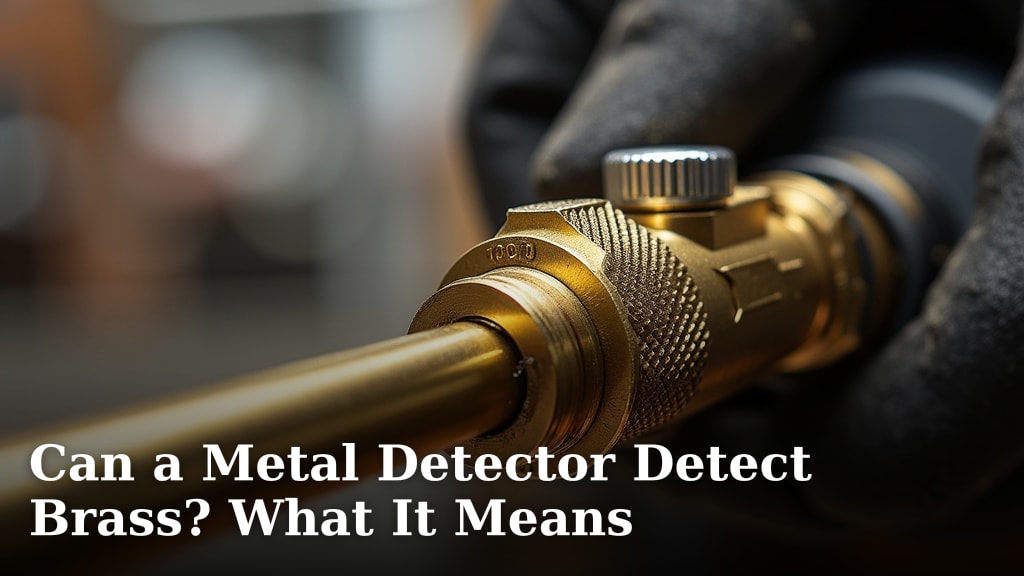
For comparison, brass has a signal that overlaps with some coins and jewelry. Our guide to [Can a Metal Detector Detect Brass?
What It Means](/can-a-metal-detector-detect-brass/) explains how to read those mixed signals.
Titanium is harder for many detectors because it is less conductive and often gives a lower, weaker response. See can metal detectors detect titanium for why titanium targets can be missed.
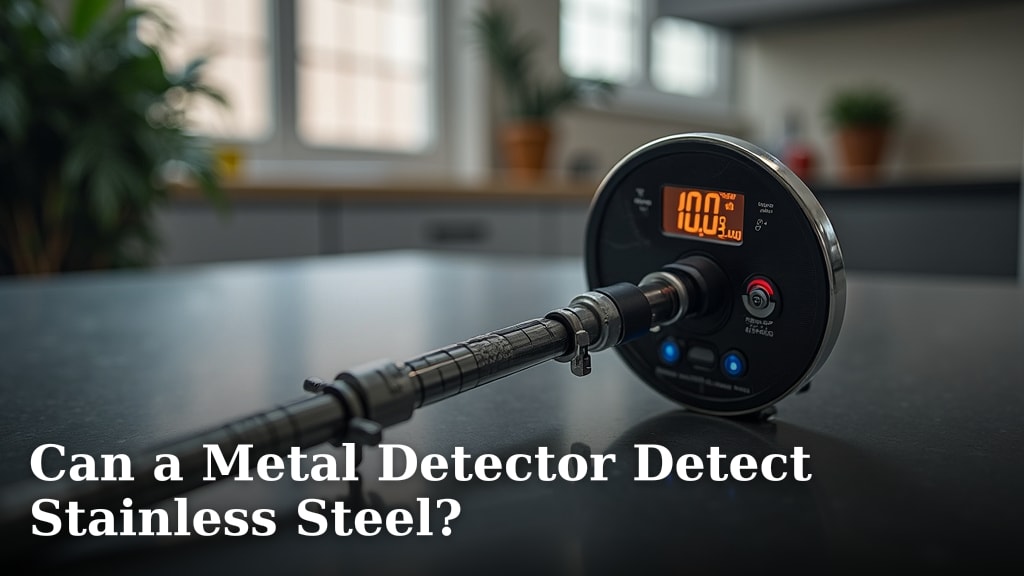
Stainless steel varies by alloy and can be close to iron in behavior. Learn more in Can a Metal Detector Detect Stainless Steel?, especially if you hunt near modern trash and building debris.
Will aluminum sound like silver or gold?
Aluminum can sound like silver or gold on some detectors, especially when the target is small or folded. That overlap is the reason foil and tabs waste so much hunting time.
The good news is that you can learn the pattern. Sweep over a known coin, then over a tab and a foil ball, and listen for the differences in tone, meter reading, and signal width.
What metal does not set off a metal detector?
Some metals rarely set off a detector, and plastic, wood, and glass do not set off standard detectors at all. Our guide to What Metal Does Not Set Off a Metal Detector? covers the exceptions in detail.
Aluminum is not one of those exceptions. If you are wondering whether a target is aluminum or something more valuable, the signal alone will rarely tell you for certain.
Plastic targets are a related case. A builder's metal inside a plastic part can fool you, but pure plastic will not respond.
See Can a Metal Detector Detect Plastic? A Helpful Guide for the full breakdown.
Can a metal detector detect aluminum deep in the ground?
Yes, large aluminum objects can be detected deep, but small scraps lose signal quickly with depth. A buried can may register at 10 inches or more.
A foil scrap may fade out at 4 inches.
Depth also depends on the detector, coil size, ground conditions, and the target's orientation. Wet sand, mineralized soil, and iron trash can all reduce the range you get in the field.
How do you hunt aluminum-rich sites without digging every tab?
You hunt smarter, not faster. Slow sweeps, tight grids, and selective digging save more time than any single setting.
Start by learning your detector's response to tabs and foil in your own yard. Bury a tab, a foil ball, and a coin at the same depth, then sweep each one from different angles.
Note how the signal changes when you rotate the coil.
In trashy areas, use discrimination to notch out the worst repeat signals. Then dig only the signals that give a clean, repeatable tone from both directions.
A signal that vanishes when you cross it at 90 degrees is often foil or a bent tab.
Which detector suits aluminum-heavy hunting?
The Bounty Hunter TK4 Tracker IV Metal Detector suits adults and kids who want three detection modes, including discrimination, to filter trash. Bounty Hunter says it has an 8-inch waterproof coil for shallow water and damp soil.
Its 3 modes let you start in all-metal to learn a site, then switch to discrimination in the worst sections. The adjustable sensitivity also helps when aluminum trash is so thick that the detector chatters constantly.
Carry your gear in the Bounty Hunter Metal Detector Bag, which is made of weather-resistant nylon with a zippered closure and an outer pocket for batteries and tools. Its 28 x 10 x 8 inch size fits S-rod models, so check your detector's shape before you buy.
What should you do when you dig an aluminum target?
Check the hole, check the plug, and rescan before you move on. Aluminum trash often comes in clusters, and the first tab is rarely the last one in the hole.
Pinpoint the target in the plug first, then in the hole. Small foil scraps love to hide in the sidewall.
A quick rescan of the open hole saves you from leaving a second target behind.
After you find a tab or foil, take a few more sweeps around the area. If the signals keep coming, the site is aluminum-rich and you may want to tighten your discrimination or move to cleaner ground.
Once you get home, inspect your finds with a coin magnifier if you want to check small items for marks or details. For a wider view of what else turns up in the ground, see What Can You Find With a Metal Detector?.
Can a metal detector detect aluminum? The short answer for buyers
Yes, can a metal detector detect aluminum is an easy yes, and that is exactly why aluminum is the top trash target for beginners. Every detector that finds coins will also find cans, foil, and tabs.
Choose a detector with discrimination if you hunt parks and beaches. Choose all-metal mode when you hunt clean ground or want to learn every signal.
For silver targets that can hide near aluminum trash, see can metal detectors detect silver before you notch out a whole range.
Pick the TK4 if you want mode choices for mixed sites. Pick the Gold Digger if you want a lighter beginner setup for family hunts.
Add the carry bag if you travel to your sites often, and you will spend less time digging tabs and more time checking the signals that matter.
Frequently asked questions
Will a metal detector find aluminum foil?
Yes, foil usually gives a strong, high signal because it is conductive and often crumpled into a compact shape. Small scraps and deep foil are harder to pinpoint, so sweep slowly and check the hole carefully before refilling it.
Can you set a detector to ignore aluminum?
Many detectors can notch out or discriminate against the range where aluminum falls, but that setting can also skip thin gold. Use it in trashy parks, then switch to all-metal mode in cleaner ground when you want every signal.
Why do pull tabs sound like good targets?
Pull tabs are small, conductive, and often folded, which concentrates the signal. They can closely match coins and small jewelry in tone and meter reading, so you will need to dig and inspect them to be sure.