9 Best Magnets for Metal Detecting (November 2026)
The best magnet for metal detecting include the Toolwiz Magnetic Pick Up Sweeper 17-inch Wide for clearing ferrous debris from ground, the Evolution Power Tools Cyclone Magnetic Swarf & for workshop swarf and shavings, and the NoCry Telescoping Magnetic Pickup Tool with an for reaching into tight spots.
On this page (10 sections)
- Which magnet type fits metal detecting best
- The best magnets for metal detecting
- Magnet comparison at a glance
- How we compared these magnets
- How strong a magnet do you need for metal detecting
- Sweepers, wands or sticks for separating ferrous debris
- How to test finds with a magnet without fooling yourself
- What to wear when you use magnets in the field
- Care and safety for strong magnets
- Verdict: best magnet for metal detecting by job
The best magnet for metal detecting for most detectorists is the Toolwiz Magnetic Pick Up Sweeper 17-inch Wide, because its 17-inch path clears nails and ferrous debris faster than a hand stick. Pair it with the NoCry stick for tight spots and a test magnet for checking finds.
A magnet does a different job from your detector. Your detector signals metal without touching it, while a magnet physically pulls ferrous trash away from finds after you dig.
That helps cleanup. Iron nails, wire and shavings can clutter a site, and pulling them aside lets non-magnetic finds stand out.
We weighed specs, features and buyer feedback, comparing pull force, reach, size and release design across sweepers, sticks, testers and fishing magnets.
Our picks at a glance
-
1
 Best for clearing ferrous debris from ground
Toolwiz Magnetic Pick Up Sweeper 17-inch Wide
9.7/10 our score
See it on Amazon -
2
 Best for workshop swarf and shavings
Evolution Power Tools Cyclone Magnetic Swarf &
9.6/10 our score
See it on Amazon -
3
 Best for reaching into tight spots
NoCry Telescoping Magnetic Pickup Tool with an
9.4/10 our score
See it on Amazon
- 4
 Check it
Highlandhawker 18 Pound Pull Strength Gold Silver
Best for testing gold and silver finds - 5
 Check it
Highlandhawker 40 Pound Strong Neodymium Magnet with
Best for sorting scrap and plated items - 6
 Check it
Highlandhawker Rare Earth N52 Neodymium Pocket Keychain
Best pocket magnet to carry on keys - 7
 Check it
Rechabite 35 LB Magnetic Sweeper Telescoping Pick-up
Best long telescoping sweeper stick - 8
 Best for heavy underwater retrievalCheck it
- 9
 Best compact fishing magnetCheck it
Which magnet type fits metal detecting best
The best magnet for metal detecting is usually not the strongest one. It is the one shaped for the task in front of you.
Use a sweeper or wand for ground and floor cleanup. Use a telescoping stick for tight places.
Use a test magnet for sorting finds. Use a fishing magnet only for water or heavy retrieval.
Most detectorists spend more minutes digging, sifting and sorting than testing a coin. That is why a cleanup tool often earns its keep first.
A second tool can then cover narrower jobs. A stick or tester takes little space and saves a return trip.
If you are still deciding whether the hobby is worth it, read Is Metal Detecting Worth It? What It Really Means.
That guide helps you match time and cost before buying extra gear.
Matching magnet shape to metal detecting workflow
Cleanup shapes sweep a surface. Retrieval shapes reach a point.
Testing shapes touch one item at a time.
Pull force changes meaning across shapes. A low pull over 17 inches can clear light debris all day.
A high pull on a small head can hold one heavy item but covers little ground.
Size also changes how you carry the tool. A sweeper stays at home or in a vehicle.
A 7 inch stick or keychain tester travels in a pocket.
The best magnets for metal detecting
Each pick below solves a separate part of the workflow. Read the trade-off against the others before you choose, since a sweeper cannot test a coin and a test magnet cannot clear a yard.
Toolwiz Magnetic Pick Up Sweeper 17-inch Wide: Best for clearing ferrous debris from ground
- 17-inch wide sweeper
- 8.8 lb pull force
- Adjustable handle to 3 lengths
- 3-inch rubber wheels
A rolling sweeper that clears nails, tacks, bolts and shavings from floors and yards without bending.
Pros
- Wide 17-inch cleaning path
- Three handle heights reduce bending
- Rolls on carpet, grass, concrete and hardwood
Cons
- 8.8 lb pull is light for heavy salvage
- Non-telescopic handle adjusts only by adding or removing poles
This sweeper suits detectorists who hunt around workshops, driveways, patios and picnic areas where nails and small ferrous bits pile up. Its 17-inch width covers ground quickly, and its 8.8 lb pull holds light debris such as nails, tacks, bolts, nuts, washers and metal shavings.
The handle adjusts to 18.9, 32.5 or 42.5 inches by adding or removing extension poles. That range helps you avoid bending, and the sturdy non-telescopic design is meant to prevent slipping during use.
The 3-inch rubber wheels roll on carpet, grass, concrete and hardwood, and the wheel screws allow free rotation without being too tight or too loose.
Trade-off: 8.8 lb is light next to a 25 lb stick or a 500 lb fishing magnet. Choose this for wide, light cleanup, not for lifting heavy tools or salvage.
At 450 g in plastic and metal, it also pushes under furniture and through nooks where a larger sweeper would not fit.
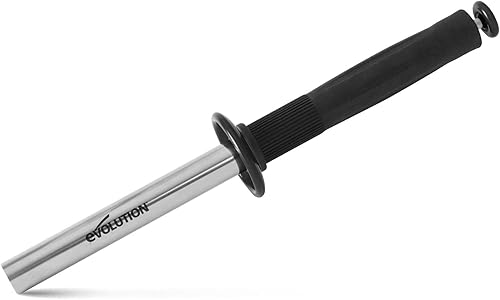
Evolution Power Tools Cyclone Magnetic Swarf &: Best for workshop swarf and shavings
- Collects up to 6.5 kg of metal shavings
- Plunger quick-release
- Compact wand design
- 15.75 x 3.15 x 3.15 in
A compact wand that picks up metal cuttings and drops them with a plunger release over a scrap barrel.
Pros
- Strong magnetic adhesion for shavings
- Quick-release plunger
- Compact and simple to wave over debris
Cons
- Wand format covers less ground than a sweeper
- Best for workshop piles, not wide outdoor areas
This wand suits detectorists who clean finds at a bench or hunt near fabrication areas. It collects up to 6.5 kg of metal shavings, scraps or dropped items, and the plunger drops the load where you want it.
At 15.75 x 3.15 x 3.15 inches and 1.36 pounds, it is compact enough to wave over a pile and carry to a scrap barrel. That makes it useful for sorting ferrous debris you dug and carried home.
The design needs no setup. Wave the wand over the material, lift, carry to your barrel and pull the plunger.
That release matters when shavings cling to a flat face and would need scraping off by hand.
Trade-off: it covers far less ground than the 17-inch Toolwiz. Choose it for piles and bench cleanup, not for sweeping a whole yard.
NoCry Telescoping Magnetic Pickup Tool with an: Best for reaching into tight spots
- 25 lb pull force
- Extends to 30 in, 7 in retracted
- Stainless steel body
- Non-slip rubber handle
A telescoping stick that rescues screws, bolts and keys from behind tables and under seats.
Pros
- 25 lb pull for small ferrous items
- 0.87 in head fits tight spaces
- Rust and corrosion resistant coating
Cons
- Not for most stainless steel
- Avoid prolonged water exposure
This stick suits you when a find or tool lands behind a table, under a seat or in a drain. Its 25 lb pull and 30-inch reach grab small ferrous items without bending or kneeling.
It retracts to 7 inches, so it fits a tool kit. The 0.87-inch head slips into tight spaces, the stainless steel body resists rust and corrosion, and the non-slip handle gives control at awkward angles.
It rescues bolts, nuts, needles, pins, coins or keys in iron, cobalt, hematite, nickel and some steel. That covers most workshop and garage debris.
Trade-off: it will not work on most stainless steel, which is not usually magnetic. Avoid prolonged water exposure.
For heavy tools, the 35 lb Rechabite gives more pull in the same stick format.
Highlandhawker 18 Pound Pull Strength Gold Silver: Best for testing gold and silver finds
- 18 lb pull strength, N52 grade
- Solid brass casing
- Vinyl cap and split ring
- 2.5 in overall length
A pocket test magnet that checks whether jewelry and coins stick, which helps spot plated steel bases.
Pros
- Sensitive test for plated items
- Pocket size with split ring
- Brass casing protects the magnet
Cons
- Testing only, not for lifting or retrieval
- Not a foolproof test on its own
This tester suits detectorists who find jewelry and coins and want a first check for plated steel. Its 18 lb N52 pull attracts a steel base, while real gold and silver do not stick.
At 2.5 inches overall with a 3/4 inch head, it carries in a pocket or purse on a split ring. The brass casing protects against chipping and sheds shavings easily.
The vinyl cap protects a car finish when you slide it across panels to find bondo.
A plated piece with a steel base will grip, while solid gold or silver will not. Use it as the first test, before acid or other checks.
It also helps at garage and estate sales.
Trade-off: a magnet test is only a first test. Some fakes use non-magnetic bases, so passing still needs further checks.
Clasps with steel springs can cause a small reaction.
Highlandhawker 40 Pound Strong Neodymium Magnet with: Best for sorting scrap and plated items
- 40 lb pull, N52 grade
- Aluminum casing with Delrin handle
- Removable vinyl cap
- 5.5 in overall length
A stronger handled test magnet for sorting plated steel from solid brass, bronze and non-magnetic steel.
Pros
- 40 lb pull for sorting heavier items
- Handled design for repeated checks
- Casing protects magnet from chipping
Cons
- Larger than a pocket tester
- Pull rating needs a smooth, flat, unpainted steel surface
This handled magnet suits heavier sorting, such as plated items, scrap and auto-related finds. Its 40 lb pull gives more grip than the 18 lb and 10 lb testers.
The aluminum casing and Delrin handle suit repeated use, and the vinyl cap protects the magnet in storage. At 5.5 inches overall, with a 1 inch head and 3.25 inch handle, it is a bench and yard tool, not a pocket tool.
That pull helps sort costume jewelry with a steel base, solid brass and bronze from plated steel, chrome items from aluminum, silver and non-magnetic stainless, and steel grades with iron or cobalt.
Trade-off: it is too large for a key ring. Choose it for sorting volume and a pocket tester for quick checks.
The rating needs a smooth, flat, unpainted steel surface.
Highlandhawker Rare Earth N52 Neodymium Pocket Keychain: Best pocket magnet to carry on keys
- 10 lb pull, N52 grade
- Aluminum casing
- Split ring and vinyl cap
- 2.5 in overall length
A keychain test magnet for quick checks at sales and in the field, where real gold and silver do not stick.
Pros
- Light enough for a key ring
- 10 lb pull for most metal testing
- Vinyl cap protects finishes
Cons
- Lightest test pull in this group
- Still only a first test, not proof of value
This keychain tester suits detectorists who want a magnet always within reach. Its 10 lb N52 pull is enough for most testing, and its aluminum casing keeps it light at 18.14 g.
At 2.5 inches overall, with a 1/2 inch head and split ring, it fits a key ring, pocket or purse. That makes it handy at garage and estate sales.
The vinyl cap protects finishes when you slide it across a car body to spot bondo.
Real gold and silver coins do not stick, while a piece marked 14K or Sterling that sticks may have steel under plating. The size lets you test on the spot instead of carrying finds home.
Trade-off: 10 lb is the lightest pull here. The 18 lb or 40 lb models give more margin for heavier scrap.
It is still only a first test, not proof of value.
Rechabite 35 LB Magnetic Sweeper Telescoping Pick-up: Best long telescoping sweeper stick
- 35 lb pull, vertical use
- Extends 8.7 in to 34 in
- Stainless steel pole
- Rubber ergonomic grip
A thickened telescoping pole that picks up nails and screws from floors and lawns without bending.
Pros
- 35 lb pull for tools and hardware
- 34 in reach for floors and lawns
- Sturdy thickened pole
Cons
- 35 lb rating is for vertical use
- Do not use horizontally to lift heavy tools
This telescoping pole suits cleanup after shop, roofing or repair work, and picking nails and screws from floors and lawns. Its 35 lb vertical pull handles hammers, wrenches and hardware.
It extends from 8.7 to 34 inches, so you can reach the ground without bending. The thickened stainless steel pole feels sturdy and resists corrosion, and the rubber grip helps control.
Retracted, it carries in a tool bag.
That length reaches a lawn or floor standing up, and into a car footwell or under a cabinet without kneeling. For detectorists, that means less bending after hours of digging.
Trade-off: the rating applies in vertical use. Do not use it horizontally to lift heavy tools.
The Toolwiz wins on coverage, and the NoCry head is slimmer at 0.87 inches.
Magnetpro Fishing Magnet: Best for heavy underwater retrieval
- Over 900 lb pulling force
- 3.54 in diameter
- N40 grade neodymium
- CNC machined steel base
A large eyebolt magnet for magnet fishing and retrieving metal in rivers, with a flat base for thin objects.
Pros
- Over 900 lb pull for heavy retrieval
- Flat base grips thin objects well
- Thread connection with thread closer added
Cons
- Heavy-duty retrieval, not for finds testing
- Avoid collisions that can damage magnets
This fishing magnet suits magnet fishing and retrieval in rivers. Its over 900 lb force and 3.54-inch diameter make it the heavy option here.
The flat base with no countersunk hole grips thin objects well and can sit flush for mounting. The eyebolt uses thread closer at the joint to reduce the risk of losing it.
The CNC machined steel base embeds an N40 grade neodymium magnet.
Diameter matters as much as the headline number. A 3.54 inch face spreads contact over a submerged object, helping with thin sheet, tools and scrap.
Trade-off: this is retrieval only, not a sorter or tester. It is oversized for coins.
Avoid hard collisions, move sideways to separate stuck magnets, and keep it away from cards and phones.
Niuknow Fishing Magnets: Best compact fishing magnet
- 500 lb pulling force
- 2.36 in diameter
- Ni+Cu+Ni triple-layer coating
- Internal threaded hole and eyebolt
A smaller fishing magnet for retrieval, tool pickup and storage, with coating to resist rust and wear.
Pros
- 500 lb pull in a compact 2.36 in body
- Triple-layer coating for outdoor use
- Eyebolt setup for ropes or tools
Cons
- Less pull than the 900 lb Magnetpro
- Best under ideal conditions for rated force
This fishing magnet suits detectorists who want strong retrieval in a smaller body. Its 500 lb pull and 2.36-inch diameter still handle magnet fishing and underwater retrieval.
The Ni+Cu+Ni triple-layer coating resists rust, scratches and wear for outdoor use. The internal threaded hole and eyebolt fit ropes or tools for storage, pickup and retrieval.
The body is light and portable for a bank or dock.
That size is a practical middle ground. It can lift tools and scrap from a riverbed or dock edge, yet it casts and stores easily.
It also works for home storage and collecting screws or nails.
Trade-off: 500 lb is well below the Magnetpro, and the rating is under ideal conditions. Choose it for portability and general retrieval.
Neither replaces a test magnet.
Magnet comparison at a glance
The table below puts pull force, reach and best use side by side so you can match the tool to the job. Stronger is not always better for metal detecting.
| Product | Best for | Width | Pull Force | Handle Heights | Our score |
|---|---|---|---|---|---|
| Toolwiz Magnetic Pick Up Sweeper 17-inch Wide | clearing ferrous debris from ground | 17 in | 8.8 lb | 18.9 in, 32.5 in, 42.5 in | 9.7 |
| Evolution Power Tools Cyclone Magnetic Swarf & | workshop swarf and shavings | 9.6 | |||
| NoCry Telescoping Magnetic Pickup Tool with an | reaching into tight spots | 25 lb | 9.4 | ||
| Highlandhawker 18 Pound Pull Strength Gold Silver | testing gold and silver finds | 18 lb | 9.2 | ||
| Highlandhawker 40 Pound Strong Neodymium Magnet with | sorting scrap and plated items | 40 lb | 8.9 | ||
| Highlandhawker Rare Earth N52 Neodymium Pocket Keychain | pocket magnet to carry on keys | 10 lb | 8.7 | ||
| Rechabite 35 LB Magnetic Sweeper Telescoping Pick-up | long telescoping sweeper stick | 35 lb | 8.4 | ||
| Magnetpro Fishing Magnet | heavy underwater retrieval | 900 lb | 8.3 | ||
| Niuknow Fishing Magnets | compact fishing magnet | 500 lb | 8.2 |
Read the table by job, not by pull alone. Cleanup tools cluster under 40 lb.
Testing tools cluster between 10 and 40 lb. Retrieval tools start at 500 lb.
That gap tells you the real story. The tools are not versions of one product.
They are different tools that happen to use magnets.
Reach tells a similar story. Sweepers trade reach for width.
Sticks trade width for reach. Testers trade both for portability.
How we compared these magnets
We checked specs for pull force, length, width, materials and release type. We also weighed how each design fits detector work, from clearing debris to testing finds.
Pull ratings need context. Highlandhawker notes that ratings depend on the magnet mating to a smooth, flat, unpainted steel surface.
We did not treat a big pull number as a quality score by itself. A 900 lb fishing magnet is less useful for coin testing than a 10 lb keychain magnet.
Why pull ratings cannot be compared directly
A rating assumes a clean, flat, unpainted steel surface. Paint, rust, a curved surface or thin sheet will lower the real hold.
Orientation matters too. The Rechabite 35 lb rating is for vertical use.
A horizontal lift puts leverage on the handle and can fail well below the headline number.
Thin iron also transmits magnetic lines of force less well than thick steel. A thin object will hold less than the rated force even on a strong fishing magnet.
Casings matter for testing. Brass, aluminum and Delrin protect the magnet and affect feel.
A casing that sheds shavings keeps a tester sensitive longer.
Form factor matters most. A 17 inch sweeper clears a site but stays behind.
A 2.5 inch tester travels everywhere but clears nothing.
Release design affects speed. A plunger wand drops a load cleanly, while a sweeper or stick usually needs a hand to pull debris off.
How strong a magnet do you need for metal detecting
A magnet for metal detecting needs less force than you may expect. Most cleanup tasks involve nails, tacks, bolts, screws and shavings, not heavy salvage.
Light cleanup: under 10 lb
The Toolwiz at 8.8 lb and the keychain tester at 10 lb cover light work on floors, yards and quick finds checks.
Light does not mean weak for the job. A sweeper spreads pull across a wide bar, and each nail only needs enough hold to stay on until you pile it.
For a tester, 10 lb grips a steel base under plating. The test checks attraction, not lifting weight.
Hand pickup: 25 to 40 lb
The NoCry at 25 lb, the Rechabite at 35 lb and the Highlandhawker at 40 lb suit picking up tools and hardware. They give you margin for heavier ferrous items.
That range helps when a hammer, wrench or a cluster of screws lands in an awkward spot. You can lift, carry and drop the item without a second tool.
It also helps when debris is tangled. A cluster of nails and wire weighs more than a single nail.
Extra pull keeps the cluster together during the carry.
Retrieval: 500 lb and up
The Niuknow at 500 lb and Magnetpro at over 900 lb suit magnet fishing and underwater retrieval. They are not needed for sorting dug finds at home.
Retrieval pull must overcome water drag, silt and the weight of a submerged object. It must also hold while you lift hand over hand on a rope.
For land detecting, that much pull is a liability. It is hard to handle, easy to pinch fingers, and far too blunt for testing a coin.
Sweepers, wands or sticks for separating ferrous debris
Accessory magnets for separating ferrous debris from detecting finds should match the size of the area you clean. A wide path saves time outdoors, while a stick wins in tight spots.
Rolling sweepers for wide areas
The Toolwiz 17-inch sweeper clears a broad path with wheels that roll on several surfaces. It suits yards, driveways and workshop floors.
Rolling changes the work. You push and pull instead of waving and bending.
That rhythm covers a driveway or a workshop floor in minutes.
The three handle lengths let you match your height and the surface. A shorter setting suits indoor work under tables.
A longer setting suits outdoor work on grass and gravel.
Wands for piles and benches
The Evolution wand collects up to 6.5 kg of shavings and drops them with a plunger. It suits piles you have already gathered, not wide areas.
A wand works best after you have gathered debris into one place. You wave it over the pile, lift the load, and drop it in a barrel.
That plunger release is a real time saver with fine shavings. Fine material clings to a flat face and takes time to scrape off.
A release mechanism ends that step.
Telescoping sticks for reach
The NoCry extends to 30 inches and the Rechabite to 34 inches. Both reach floors, lawns and tight spaces without bending.
A stick wins where a sweeper cannot go. Under a workbench, behind a car seat or inside a drain, only a narrow head fits.
Reach also protects your back. A 34 inch pole picks nails from a lawn while standing, which matters after a day of kneeling.
Choose length by where you hunt. Car parks favor a longer pole.
Bench work favors a shorter, lighter stick.
How to test finds with a magnet without fooling yourself
A test magnet helps spot plated steel, but it does not prove what a find is worth. Use it as the first check, then use other methods.
Real gold and silver coins do not stick. If an item sticks, look for a steel or iron base under plating, common in costume jewelry.
Clasps can contain steel springs, so a small reaction there does not tell the whole story. Pass the magnet slowly and note where it grips.
Reading a magnet test in the field
Start with the body, not the clasp or pin. A steel spring in a clasp can grip even when the rest is precious metal.
Hold the magnet still and bring the item to it slowly. A strong grip points to steel or iron.
A weak grip points to a small steel part.
Test the back as well as the front. Plating can hide a base, and a hollow back changes how the magnet seats.
Record the result before moving on. A note on grip and location helps you sort finds at home without retesting.
To understand differing responses, read What Is Conductivity in Metal Detecting?. Conductivity affects detector signals, while magnetism affects magnet grip.
That explains a common puzzle. A gold ring can signal strongly and still not stick, because the two tests measure different properties.
A magnet test never rules out every fake base. Some use non-magnetic metals, so a non-sticking piece still needs further checks.
What to wear when you use magnets in the field
Magnet work is field work, so comfort gear matters as much as pull force. You will bend, kneel, reach and carry tools for hours.
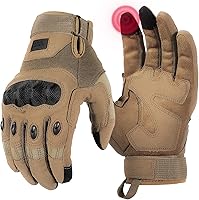
For hand protection, see best gloves for metal detecting. Gloves help with rusty nails, shavings and sharp debris.
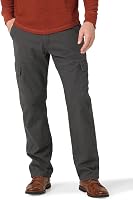
For warm weather, the best metal detecting t shirt keeps you cooler. For long days, best pants for metal detecting helps with kneeling and brush.
A best metal detector harness can spread the load while your hands stay free for a pickup stick.
Gear that pairs with magnet cleanup
Gloves matter most when you strip debris off a sweeper or stick. Sharp points and rust can scratch tired hands.
Pants with kneeling pads help when you dig and sweep the same patch. You will spend time low to the ground in both tasks.
A harness frees your hands for a telescoping stick. That helps when you hold a detector in one hand and retrieve with the other.
Pocket depth matters for testers. A keychain magnet needs a ring that does not snag.
A pocket tester needs a reachable pocket.
Sun protection matters for long sessions. Sweeping a yard takes longer than it looks, and a hat and water help more than extra pull.
Care and safety for strong magnets
Strong neodymium magnets can snap together and pinch fingers. Keep them apart, use a cap when provided, and move them sideways to separate them.
Do not store test magnets near phones or credit cards. Keep testers capped and away from cards in your pocket.
For fishing magnets, check the rope and eyebolt before every use. A strong magnet is only as safe as the line holding it.
Store magnets where they will not fall. Casings protect against chipping, but hard collisions can still damage any magnet.
Storing and handling magnets safely
Keep caps on testers when not in use. A vinyl cap limits attraction to keys, cards and other magnets in a bag.
Never let two strong magnets snap together in your hand. Slide them apart sideways instead of pulling straight apart.
For fishing magnets, inspect eyebolt threads and the rope knot each session. Thread closer helps, but it does not replace a visual check.
Rinse and dry magnets after water use. Coatings resist rust, but standing water in a bag causes trouble.
Keep magnets away from pacemakers and sensitive electronics. A 900 lb magnet can pull tools off a bench if carried close.
Verdict: best magnet for metal detecting by job
The best magnet for ground cleanup is the Toolwiz sweeper, because its 17-inch path clears light ferrous debris quickly. Add the NoCry for tight spots and the Rechabite for longer reach.
For testing, choose the Highlandhawker 18 lb for balance, or the keychain model for always-on carry. For heavy sorting, the 40 lb handled model gives more pull.
For water, choose the Niuknow 500 lb for compact retrieval or the Magnetpro over 900 lb. Match the magnet to the job.
Our top 3 picks at a glance
-
1
Best for clearing ferrous debris from ground
Toolwiz Magnetic Pick Up Sweeper 17-inch Wide
9.7/10 our score
See it on Amazon -
2
Best for workshop swarf and shavings
Evolution Power Tools Cyclone Magnetic Swarf &
9.6/10 our score
See it on Amazon -
3
Best for reaching into tight spots
NoCry Telescoping Magnetic Pickup Tool with an
9.4/10 our score
See it on Amazon
Frequently asked questions
What is the best magnet for metal detecting?
The best magnet for metal detecting is the one matched to the task. Use a rolling sweeper for clearing ferrous debris, a telescoping stick for tight spots, a test magnet for checking finds, and a fishing magnet for underwater retrieval.
Can a magnet separate ferrous debris from finds?
Yes. A magnet attracts iron, cobalt, hematite, nickel and some steel, so it can pull nails and ferrous trash away from non-magnetic finds.
Use a test magnet on individual finds rather than sweeping mixed material in bulk.
Do gold and silver stick to a magnet?
Real gold and silver coins do not stick to a magnet. If an item marked gold or sterling sticks strongly, it may have a steel base under plating, and it should be checked further by other methods.
How strong should a fishing magnet be?
Choose by the weight and size of what you expect to lift, not by the biggest number alone. A 500 lb magnet suits general retrieval, while a 900 lb magnet suits heavier underwater items, and both need a secure rope and eyebolt setup.