
What Is a Search Coil? A Practical Guide
A search coil is the primary component of a metal detector that emits a magnetic field. This field then interacts with metal objects in the ground. When the field hits metal, it creates a small electrical current that the coil detects. This detection is what signals that you’ve found something.
Think of it like a tiny radar system for your detector. The size and shape of the search coil can affect how deep it can detect and how well it can differentiate between different types of metal. Many experts say it’s the most important part of your metal detector’s performance.
TL;DR:
- A search coil sends out and receives magnetic signals.
- It’s the part that actually “sees” metal underground.
- Its design impacts detection depth and target identification.
- It’s a key component for finding treasure!
Ready to learn more about this essential piece of equipment? We’ve researched and found that understanding your search coil can seriously boost your metal detecting success. Let’s dive into what makes it tick.
“`htmlUnderstanding Your Metal Detector’s Search Coil
The search coil is the heart of your metal detector. It’s the part that actually does the detecting. Without it, your detector is just a handle and some wires. Learning about it will help you pick the right one and use it better. Many experienced detectorists say the coil is more important than the detector’s control box.
How Does a Search Coil Work?
A search coil has two main parts: a transmitter coil and a receiver coil. Think of them like a speaker and a microphone for invisible signals. The transmitter coil sends out a magnetic field into the ground. This field goes down and spreads out.
The Transmitter Coil’s Job
The transmitter coil uses electricity to create a magnetic field. This field pulses or waves out from the coil. It’s like dropping a pebble into a pond, and the ripples are the magnetic field. The size and power of this field depend on the coil itself and the detector’s settings.
The Receiver Coil’s Role
The receiver coil sits nearby and listens for changes in the magnetic field. When the magnetic field hits a metal object, it creates a tiny electrical current within that metal. This tiny current then generates its own small magnetic field. The receiver coil picks up this secondary field.
Turning Signals into Sound
When the receiver coil detects this change, it sends a signal back to the detector’s control box. The control box then processes this signal. It usually converts it into an audible tone or a visual display on a screen. This is how you know you’ve found something!
Types of Search Coils and Their Uses
Search coils come in many shapes and sizes. Each type is designed for different hunting conditions and targets. Choosing the right coil can make a big difference in what you find and where you find it.
Coil Size Matters
Coil diameter is a major factor. Larger coils generally detect deeper into the ground. They also cover a wider area with each sweep. This makes them good for searching open fields where you want to cover a lot of ground quickly.
However, larger coils can be heavier. They are also less sensitive to small targets. They might miss tiny coins or delicate jewelry. Large coils can also struggle in trashy areas. They tend to pick up too many signals from junk metal.
Smaller Coils for Specific Jobs
Smaller coils, typically 6-8 inches in diameter, are more agile. They are excellent for searching in tight spaces. Think of areas with thick brush, rocky ground, or around obstacles like tree roots. They are also more sensitive to small, shallow targets. This makes them ideal for coin shooting or finding small gold nuggets.
The downside is that they cover less ground per sweep. They also don’t detect as deep as larger coils. You’ll need to sweep more slowly and deliberately to cover an area.
Coil Shape and Design
Most search coils are round. This shape offers good all-around performance. However, you’ll also find elliptical or “whip” shaped coils. These can be very good at navigating through tight spots or around obstacles.
Some coils are designed to be waterproof. These are perfect for searching in streams, shallow water, or on wet beaches. Always check the manufacturer’s specifications to see if your coil is submersible.
Understanding Search Coil Technologies
Beyond size and shape, different technologies influence how a coil performs. These technologies affect how well it can find targets and ignore unwanted items.
VLF vs. PI Coils
Most hobbyist metal detectors use Very Low Frequency (VLF) technology. VLF coils are great at distinguishing between different types of metal. They can often tell the difference between a gold ring and a piece of aluminum foil. This makes them popular for everyday treasure hunting.
Pulse Induction (PI) technology is often found in more specialized detectors. PI coils send out strong magnetic pulses. They are less affected by mineralized soil or saltwater. PI detectors are known for their deep detection capabilities. However, they often have less target discrimination. This means they might signal on any metal, making them better for areas with less junk.
Monoloop vs. Double-D Coils
Within VLF technology, there are two common coil designs: Monoloop and Double-D. Monoloop coils have a single transmitter and receiver coil. They tend to offer slightly deeper detection. They can also provide a sharper signal response.
Double-D coils have two receiver coils arranged in a “D” shape. They are known for better ground balancing. This means they handle mineralized soil better. They also offer a wider detection pattern. Many users find Double-D coils easier to sweep evenly.
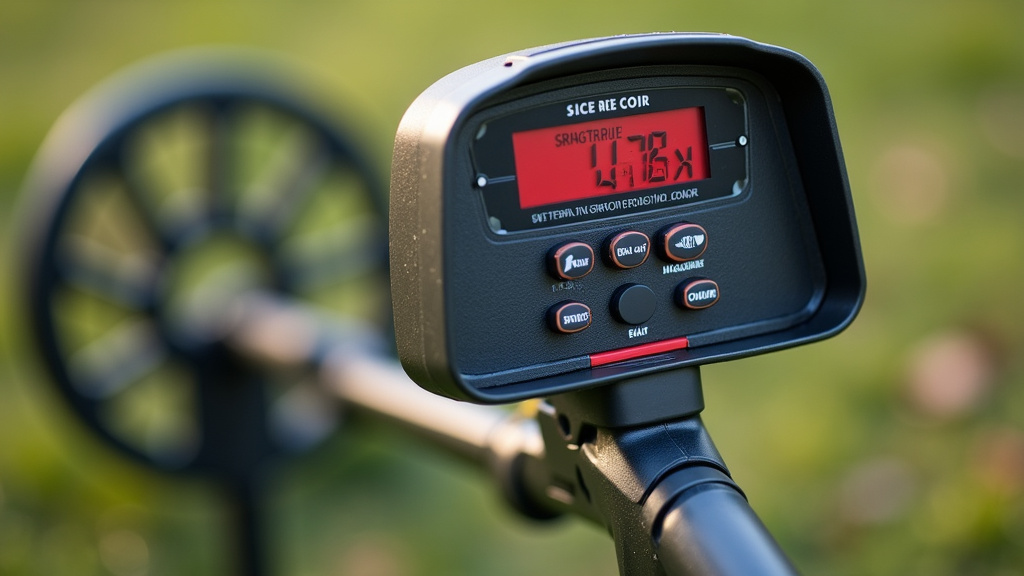
Factors Affecting Coil Performance
Several factors can influence how well your search coil works. Understanding these can help you get the most out of your detector.
Ground Mineralization
The soil itself can contain minerals. These minerals can interfere with the magnetic field. Highly mineralized ground can cause false signals. It can also reduce the depth at which your coil can detect targets. Detectors often have a “ground balance” feature to help tune out these minerals.
Trash Density
Searching in an area with lots of junk metal can be frustrating. Old nails, pull tabs, and foil can overwhelm your detector. Using a smaller coil can help. It might also help to adjust your detector’s sensitivity or discrimination settings.
Target Size and Orientation
The size of the metal object you’re looking for is key. A large silver coin will be detected more easily than a tiny gold earring. The way the target lies in the ground also matters. A coin lying flat will create a different signal than one standing on its edge. We found that even experienced users sometimes miss targets due to orientation.
Tips for Using Your Search Coil Effectively
You’ve got your detector, and you’re ready to find some treasure! Here are a few tips to help your search coil do its best work.
- Sweep at a Consistent Speed: Try to swing your coil at a steady pace. Avoid rushing or stopping mid-swing.
- Keep the Coil Parallel to the Ground: Maintain a consistent height above the surface. This ensures even detection.
- Overlap Your Swings: Overlap each sweep by about half the coil’s width. This prevents missing spots.
- Listen Carefully to Signals: Pay attention to the tones. Sometimes faint signals can be good finds.
- Learn Your Detector’s Sounds: Practice in an area with known targets. This helps you understand different signals.
Checking Your Search Coil: A Quick Guide
Before you head out, a quick check can save you trouble. Here’s a simple checklist:
- Is the coil securely attached to the shaft?
- Are there any visible cracks or damage to the coil housing?
- Is the cable plugged in firmly?
- Is the coil cover (if you use one) properly seated?
- Are there any loose wires or connectors?
A damaged coil might not work at all, or it could give you false signals. We found that regular checks help maintain performance.
“`Conclusion
You’ve learned that the search coil is the vital part of your metal detector that actually finds metal. Its size, shape, and technology directly impact how deep and how well your detector can locate targets. By understanding the differences between coil types and how factors like ground mineralization affect performance, you can choose the right coil for your needs. Regular checks and proper sweeping techniques will ensure your search coil performs at its best. Now, take this knowledge and head out to discover what’s hidden beneath the surface! Learn more about how effective metal detectors are and how to maximize your results.
Frequently Asked Questions
Does a bigger search coil always mean finding deeper targets?
Generally, larger search coils can detect targets deeper in the ground. They also cover a wider area with each swing. However, they can be less sensitive to very small or shallow items and may struggle in areas with a lot of metallic trash.
Are waterproof search coils necessary for everyone?
Waterproof search coils are essential if you plan to hunt in wet conditions like streams, shallow water, or on the beach. If you only hunt in dry fields or parks, a standard coil will likely suffice, but it’s always good to check specifications.
What’s the main difference between VLF and PI coils?
VLF (Very Low Frequency) coils are excellent at discriminating between different metals, helping you avoid junk. PI (Pulse Induction) coils are less affected by mineralized ground and saltwater and can detect deeper, but they usually signal on all metals.
How does ground mineralization affect my search coil?
Ground mineralization refers to minerals in the soil that can interfere with your search coil’s magnetic field. This can lead to false signals or reduce how deep your coil can detect. Many detectors have a ground balance feature to help tune out these effects.
Should I use a smaller coil if I’m hunting in a trashy area?
Yes, using a smaller search coil is often recommended for trashy areas. Smaller coils are typically more sensitive to smaller targets and can be more agile around junk metal. They can also help you pinpoint targets more precisely in cluttered environments.