What Is Target Id on a Metal Detector? A Quick Guide
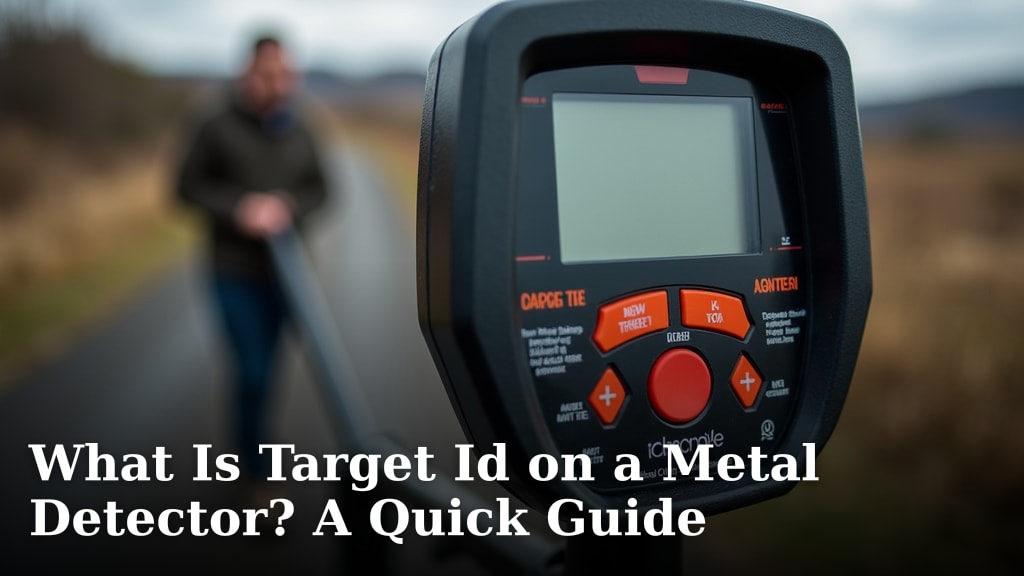
Target ID on a metal detector is a number that helps you guess what you might have found underground. It’s a digital signal displayed on your detector’s screen. This number gives you a clue about the metal type and size of a buried object. It’s not a perfect science, but it’s a helpful guide.
Think of Target ID as your detector’s best guess. Different metals and sizes produce different signals. Iron might show one number, while a silver coin shows another. Understanding these numbers helps you decide if it’s worth digging. It makes your metal detecting hobby more focused and potentially more rewarding.
- Target ID is a number on your metal detector.
- It estimates the type and size of metal you’ve found.
- Higher numbers often mean better targets like coins.
- Lower numbers can indicate iron or trash.
- It helps you decide whether to dig.
We found that knowing your Target ID numbers can save you a lot of digging time. Let’s get into what these numbers mean for you.
Understanding Your Metal Detector’s Target ID Numbers
Your metal detector’s Target ID is a number that helps you make a smart choice. It’s a range of numbers displayed on the screen. This number is your detector’s best guess about the metal type and size of the object it has found. It helps you decide if digging is worth your time and effort. Many detectors use a scale from 0 to 99. Higher numbers usually mean more conductive metals. Think of things like coins or jewelry.
How Target ID Works
When your metal detector’s coil passes over metal, it sends out an electromagnetic field. This field interacts with the metal object. The object then sends a signal back to your detector. Your detector analyzes this returning signal. It then assigns a number based on the signal’s characteristics. This analysis is complex. It involves factors like conductivity and inductance of the metal. Research shows different metals create unique electrical responses (National Institute of Standards and Technology). Understanding Target ID is a modern feature in the long history of metal detecting.
Conductivity and Inductance
The main factors influencing the Target ID number are the metal’s conductivity and inductance. Conductivity refers to how easily electricity flows through a metal. Inductance is the property of a conductor to oppose a change in the electric current flowing through it. Metals like silver and copper are highly conductive. They tend to produce higher Target ID numbers. Metals like iron are less conductive. They typically result in lower numbers.
Size and Shape Matter Too
It’s not just the metal type. The size and shape of an object also affect the Target ID. A larger coin will often register a different number than a smaller coin of the same metal. A flat, thin object might give a different reading than a round, solid one. Your detector is trying to interpret all these factors at once. It’s a bit like a detective trying to piece together clues.
Interpreting Common Target ID Ranges
Different metal detectors display Target ID numbers in slightly different ranges. However, there are general trends many experienced detectorists observe. These ranges give you a starting point for understanding what you might find. Always remember to check your detector’s manual for its specific ranges. Your manual is your best guide for its unique settings.
Low Numbers: The Iron Zone
Numbers from 0 to about 30 often indicate iron or iron-based junk. This includes nails, screws, bottle caps, and even pull tabs. You’ll likely encounter a lot of this in areas where people have camped or picnicked. While you might dig up an old buckle, most of the time, this range means trash. Some detectors offer iron bias or iron volume settings. These help you ignore or reduce the audio signals from these targets. This saves you digging time.
Mid-Range Numbers: Foil and Small Items
The mid-range numbers, roughly 30 to 70, can be a mixed bag. This is where you’ll find things like aluminum foil, smaller pieces of scrap metal, and sometimes even small gold jewelry. Some old coins might also fall into this category depending on the detector. This range requires careful listening to your detector’s audio tones. A solid, clear tone might mean a better target than a faint or chattery one.
High Numbers: Good Targets Like Coins and Rings
Numbers above 70 usually point to more desirable targets. This often includes modern coins like quarters and dimes, silver coins, and gold rings. These metals are highly conductive. They produce strong signals that your detector registers as higher numbers. Of course, there are exceptions. A large iron object could sometimes trick your detector into giving a higher number. This is why learning your detector’s sounds is so important.
Here’s a general guide to what those numbers might mean:
| Target ID Range (Approximate) | Likely Object Type | Notes |
|---|---|---|
| 0-30 | Iron, Nails, Small Iron Junk | Often trash, but can include old iron relics. |
| 30-50 | Pull Tabs, Foil, Small Metal Fragments | A lot of this is junk, but sometimes small gold jewelry. |
| 50-70 | Older Coins, Rings, Larger Aluminum Items | Can be good targets; requires careful listening. |
| 70-99 | Modern Coins (Silver, Clad), Larger Silver Items | Generally good targets. |
The Importance of Knowing Your Detector’s ID
Why is learning Target ID so useful? Because it helps you dig smarter, not just harder. Imagine a detector that beeps constantly. You could spend all day digging junk. Target ID helps you filter out much of the trash. This leaves you free to focus on the potentially rewarding finds. Many detectorists spend time “air testing” targets. They swing a known object, like a coin, over the detector while it’s on. They note the Target ID and audio response. This builds a mental library of what different targets sound and look like.
Listening to the Tones
Target ID numbers are only part of the story. Most metal detectors also provide audio feedback. This often includes different tones for different types of targets. Low tones usually signal iron. Mid-tones might indicate junk or small items. High tones often accompany good targets like coins. Some detectors have multi-tone audio. Others have adjustable tones. Learning to distinguish these tones is as important as reading the numbers. Research into audio perception shows that humans can distinguish subtle differences in sound (Journal of the Acoustical Society of America).
Discrimination and Notch Filters
Metal detectors often have a feature called discrimination. This allows you to set the detector to ignore certain Target ID ranges. For instance, you can set it to ignore iron (low numbers). This prevents the detector from signaling when it finds iron. Some detectors also have “notch filters.” These let you exclude a very specific range of numbers. For example, you might notch out the range common for pull tabs. This feature helps you tune out unwanted targets. It lets you focus on finding those coins and rings.
When to Dig and When to Leave It
So, when should you actually pick up your shovel? This is where Target ID becomes your personal guide. If you’re getting a low, choppy iron signal with a low Target ID, many experienced detectorists would skip it. If you hear a clean, high tone and see a high Target ID number, it’s usually worth investigating. However, there’s an art to it. Sometimes a rusty nail can mimic a coin signal. And sometimes a buried treasure might be hidden in a range you’d normally ignore.
The “Dig It All” Approach
Some detectorists prefer a “dig it all” philosophy, especially when starting out. They want to see everything their detector finds. This helps them learn the detector’s behavior in real-world conditions. They learn what specific targets in their area sound like. They can also find interesting old items that might not be coins or jewelry. This approach can lead to discoveries of old tools, buckles, or other historical artifacts. It helps build a deeper understanding of the ground you’re hunting.
Using Target ID to Save Time
For most shoppers, though, Target ID is a tool to maximize finds. If you’re hunting in a park known for modern trash, you might choose to dig only targets in the higher numbers. If you’re searching for old coins in a historical site, you might dig mid-range numbers as well. Your decision depends on your goals and the area you’re searching. We found that consistently using Target ID to filter targets leads to more rewarding outings. It means less time digging bottle caps and more time finding those keepers.
Practice Makes Perfect with Target ID
Learning to trust and interpret Target ID takes practice. No two metal detectors are exactly alike. Even the same detector can behave differently with different soil conditions. The best way to get good at it is to spend time detecting. Test known targets in your yard. Listen to the sounds and watch the numbers. Over time, you’ll develop a feel for what your detector is telling you. You’ll start to build your own reference points for common targets in your hunting spots. This personal experience is the most reliable teacher.
Tips for Better Target ID Interpretation
Here are a few quick tips to help you get the most out of your Target ID:
- Know Your Detector: Read your manual. Understand its specific Target ID ranges and audio tones.
- Air Test Targets: Practice by swinging known targets over your detector.
- Listen to Tones: Combine audio cues with the visual Target ID number.
- Consider Depth: Deeper targets can sometimes give less stable ID numbers.
- Ground Conditions Matter: Mineralized soil can affect readings.
- Be Patient: Learning takes time and experience in the field.
Conclusion
You’ve learned that Target ID is your metal detector’s way of giving you a clue about what’s underground. It’s not an exact science, but understanding these numbers and tones helps you dig smarter. By combining visual Target ID with audio cues, you can better decide what’s worth digging and what’s likely trash. This skill saves you time and makes your metal detecting hobby more enjoyable. Keep practicing, test different targets, and you’ll develop a great feel for what your detector is telling you.
Frequently Asked Questions
Can Target ID tell me exactly what I found?
No, Target ID is an estimate, not a guarantee. It’s your detector’s best guess based on the metal’s conductivity, size, and shape. Experienced detectorists combine Target ID numbers with audio tones and their own knowledge of the area for a more informed decision.
Why do different metal detectors have different Target ID ranges?
Each metal detector model is designed differently. Manufacturers use unique algorithms to process signals and assign numbers. It’s always best to consult your specific detector’s manual to understand its particular Target ID ranges and what they typically mean.
Does Target ID work for all types of metal detecting?
Target ID is most commonly used with VLF (Very Low Frequency) detectors, which are popular for coin and relic hunting. Pulse induction detectors, often used for black sand or heavily mineralized ground, typically don’t use numerical Target IDs in the same way.
What should I do if the Target ID is in a “junk” range, but the tone sounds good?
This is where experience comes in! Sometimes, an old iron object can mimic the signal of a good target, or vice versa. If you’re curious, or if you’re in an area where you might find old artifacts, it can be worth digging even if the Target ID is in a lower range, especially if the tone is clean and solid.
How can I get better at interpreting Target ID numbers?
The best way is through practice and observation. Perform “air tests” by swinging known objects over your detector and noting the ID and sound. Also, make notes of what you dig up in different ID ranges in your common hunting spots. Over time, you’ll build a personal library of target responses.