
Why Do People Use Metal Detectors? A Full Overview
The Top Reasons People Pick Up a Metal Detector
People use metal detectors for many different reasons, from a fun weekend hobby to serious professional work. You might be surprised by the wide range of uses.
Hobby and Recreation: The Treasure Hunt
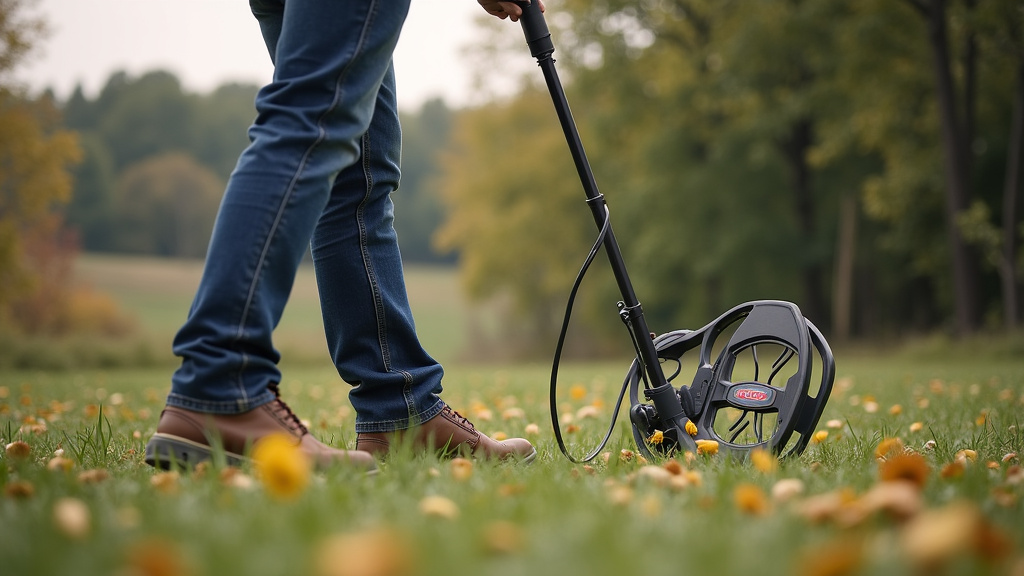
The most common reason is pure fun. It’s a great way to enjoy the outdoors while searching for lost items. Many people treat it like a relaxing walk with a purpose.
Beach and Park Hunting
You head to a local park, beach, or schoolyard. Your goal? To find coins, jewelry, or other small items lost in the sand or grass. It’s a real-life treasure hunt that can net you pocket change or even a valuable ring.
Historical Artifact Hunting
Others are drawn to history. They search for old coins, buttons, or relics from past eras. It feels like holding a piece of the past in your hand. Always check local laws first, as some areas have strict rules about artifact removal.
Practical Uses: Finding What’s Lost
For some, a metal detector is a practical tool for solving a problem. It’s not a game; it’s about recovering something important.
- Losing a wedding ring is a heart-stopping moment. Renting or owning a detector can be a last hope to find it in the yard or beach sand.
- Contractors and builders use them to locate pipes, wires, and rebar before digging. This prevents dangerous and costly mistakes on a job site.
- Farmers and landowners often scan fields to find metal debris like old nails or parts that could damage expensive machinery.
Professional and Security Applications
Beyond personal use, metal detectors are vital in many professions. Their reliability makes them a standard tool in several fields.
Security Screening
You encounter these daily. Airports, courthouses, and concert venues use walk-through detectors. Security guards use handheld wands. The goal is simple: to find weapons and ensure public safety.
Archaeology and Surveying
Professional archaeologists use advanced metal detectors to map sites before a single shovel goes in the ground. It helps them locate artifacts efficiently and minimize disturbance to a historical site.
Utility Location
Before digging a hole, call-before-you-dig services and utility companies use electromagnetic locators. These specialized detectors map out underground water, gas, and electric lines.
How Metal Detectors Work: The Basic Science
The technology is surprisingly straightforward. A transmitter coil sends out a magnetic field into the ground. When this field hits a metal object, it creates a signal. The detector’s receiver coil picks up this signal, and the machine alerts you with a sound or a display.
| Detector Type | How It Works | Best For |
|---|---|---|
| VLF (Very Low Frequency) | Uses two coils to send and receive signals. Great at telling apart different types of metals. | All-purpose treasure hunting, coin shooting. |
| Pulse Induction (PI) | Sends powerful, short pulses of current. Deeper detection but less discrimination between metals. | Gold prospecting, saltwater beaches, deep searching. |
| Beat-Frequency Oscillation (BFO) | Uses two oscillators that create a beat frequency when metal is near. Simple and affordable. | Entry-level models and beginners. |
Getting Started: Your First Detector
Feeling inspired to try? You don’t need to spend a fortune to start. Many find a mid-range, entry-level detector is perfect for learning the ropes. We found that persistence is more important than price at first.
Consider these key features:
- Adjustable Sensitivity: Lets you control how deep it searches.
- Discrimination Control: Helps you filter out junk like bottle caps and foil.
- Ground Balance: Helps the machine ignore minerals in the soil.
Essential Gear Checklist
Before you go, pack a few simple items. This checklist will make your first outing more enjoyable.
- Your metal detector (with fresh batteries)
- A small digging tool like a hand trowel
- A finds pouch or bag for your treasures and trash
- Headphones to hear faint signals clearly
- Knee pads for comfort when digging
- A trash bag to leave the area cleaner than you found it
Where to Hunt: Best Places to Start
Location is everything. Your success depends on where you look. Start with permission-given public areas.
Parks and playing fields are classic spots. People lose items during sports and picnics. Beaches are excellent, especially after a busy weekend. The sand shifts, revealing lost items. Always get permission before searching private property.
Rewards Beyond Money
While finding a valuable coin is exciting, many detectorists say the real reward is different. It’s the fresh air, the quiet focus, and the thrill of the unknown. You might only find a button, but you’ll get a great walk and a story.
Research from hobbyist forums and clubs shows that community and shared stories are a huge part of the appeal. You’re not just hunting for metal; you’re connecting with history and other enthusiasts.
Understanding the Rules and Etiquette
To be a responsible detectorist, follow a few simple rules. They keep the hobby fun and respectful for everyone.
- Always get permission. This is the number one rule for private land.
- Fill your holes. No one should see evidence you were there.
- Remove trash. Pull out bottle caps and foil. Leave the area better.
- Know the law. Some parks and all public beaches have specific regulations.
Why the Hobby is Growing
Metal detecting is seeing a surge in popularity. Why? It combines exercise, history, technology, and the chance for a surprise reward. It’s a perfect escape from screens. You focus on the ground, the signals, and the present moment.
In a world of digital overload, the simple act of walking a field and listening for a beep feels refreshingly real. It’s a hobby that delivers a mix of challenge, relaxation, and discovery. Whether you’re a weekend warrior or a serious historian, there’s a place for you in this rewarding pastime.
Conclusion
People use metal detectors for a wide mix of reasons, from pure fun to critical professional tasks. You’ve seen how it serves as a relaxing hobby, a practical tool for recovery, and an essential device in security and archaeology. The technology is straightforward, and getting started is accessible for anyone. With the right mindset and gear, you can join a growing community that values fresh air, history, and discovery. Your best next step is simple: visit a local park with permission, use a beginner detector, and focus on the experience. That first find could spark a lasting and rewarding pastime.
Frequently Asked Questions
Is metal detecting a good hobby for complete beginners?
Yes, it’s very beginner-friendly. We found that entry-level detectors are affordable and easy to use, making it a great way to start. You don’t need prior experience, just a willingness to learn and enjoy the outdoors.
Can I make money from metal detecting?
While it’s possible to find valuable coins or jewelry, most people do it for enjoyment. Research from hobbyist forums shows that any financial gain is usually a bonus, not the primary goal.
What’s the most common item found with a metal detector?
Coins are by far the most frequent finds, followed by jewelry and everyday metal trash like bottle caps. This variety keeps searches interesting and teaches patience.
How deep can a metal detector typically search?
Depth depends on the detector type and soil conditions. Most hobby models search 6-12 inches deep, while professional units can go much deeper. For beginners, focusing on surface finds is more practical.
Do I need a license or permit to use a metal detector?
It varies by location. Always check local regulations for parks and beaches, and get explicit permission for private property. Many areas have simple rules to ensure the hobby remains respectful.