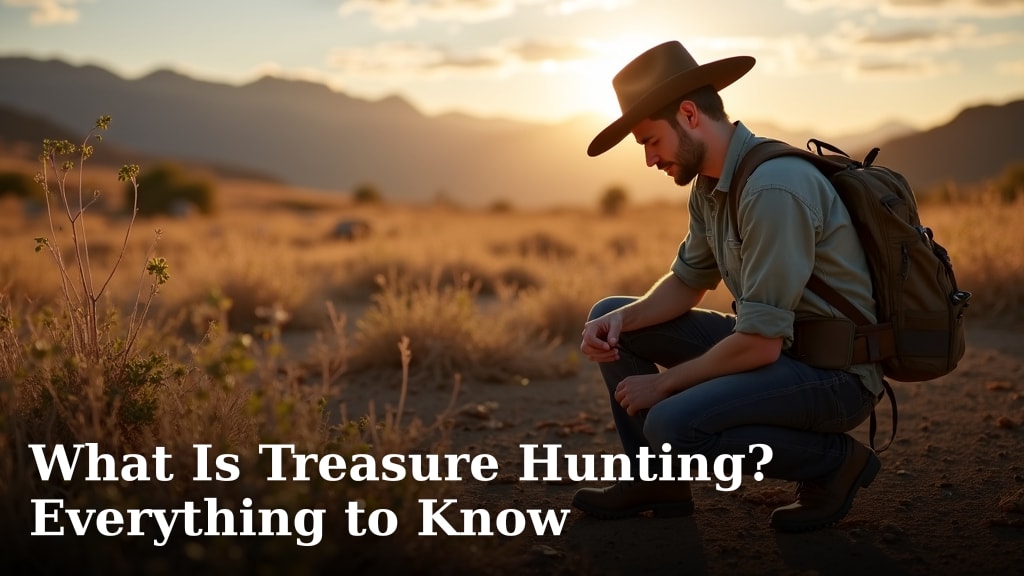
What Is Treasure Hunting? Everything to Know
A Guide to the World of Treasure Hunting
Treasure hunting is the exciting search for valuable or historically significant items that are hidden or lost. This activity combines adventure, history, and the hope of finding something wonderful. It is a hobby for many and a profession for some, with rules that keep it safe and legal.
Where Did This All Start? A Brief History
The search for lost valuables is as old as humanity itself. People have always been drawn to stories of sunken ships, buried pirate gold, and lost artifacts. In the past, it was often about survival or conquest.
Today, it is a regulated activity. The field matured in the 1970s with new technology. We found that the National Oceanic and Atmospheric Administration (NOAA) began systematically documenting historic shipwrecks, turning random dives into scientific study (NOAA). Modern treasure hunters are often part-history, part-scientist.
The Laws That Keep It Fair
You cannot just dig up anything you find. Laws protect cultural resources and private property. In the United States, the Archaeological Resources Protection Act makes it illegal to dig on federal land without a permit.
Key Legal Principles
- Abandoned Shipwrecks Act: This gives title of most historic shipwrecks in U.S. waters to the state where they lie.
- Permits Are Mandatory: On public land, you almost always need a permit from the managing agency.
- Private Property Rights: Finding an item on someone else’s land without permission is trespassing or theft.
What Kinds of Treasure Can You Find?
The “treasure” varies hugely. It is not just gold coins. Many hunters seek historical artifacts that tell a story. Your goal defines your gear, your methods, and where you look.
| Treasure Type | Common Locations | Typical Gear |
|---|---|---|
| Currency (Coins, Jewelry) | Beaches, old homesites, shipwrecks | Metal detector, sand scoop |
| Historic Artifacts | Battlefields, old tavern sites, colonial dumps | Pinpointer, digging tools, GPS |
| Natural Treasure | Caves, riverbeds, mountains | Panning equipment, flashlights |
| Geocaches | Parks, urban areas, scenic spots | GPS device or smartphone |
The Main Methods for Uncovering Finds
Your approach depends on your target. We researched the most common methods used by serious hobbyists. The right tool is everything.
Using a Metal Detector
This is the most accessible method. A good detector tells you what metal is under the ground. We found that modern machines can distinguish iron trash from a copper penny (Garrett). It takes practice to read the signals.
You will dig a lot of bottle caps and pull tabs. That is part of the game. But finding a single old coin makes the effort worthwhile.
Searching Shipwrecks
This requires scuba gear and advanced training. You must understand tides, currents, and marine law. Many shipwrecks are protected as underwater museums. Touching them without permission is a federal crime.
Surface Hunting and Surveying
Sometimes you find things right on the surface. Walking plowed fields after a rain can reveal artifacts pushed up by the soil. Historical research leads you to these spots. You read old maps and property deeds to find forgotten cellar holes or trash pits.
Essential Gear for the Aspiring Hunter
Starting out is simple. You do not need the most expensive equipment. A basic metal detector, a digging tool, and headphones are enough. A pinpointer is a huge help for locating your target in the hole.
As you advance, you will want a GPS unit to mark your finds. A sturdy backpack keeps you organized. Always carry water, snacks, and a first-aid kit. Your safety is more important than any treasure.
A Starter Checklist
- Metal Detector: An entry-level model from a reputable brand.
- Pinpointer: This small probe saves you from digging too big a hole.
- Digging Tool: A serrated trowel or specialized digger for tough ground.
- Finds Pouch: For holding your trash and treasures separately.
- Permissions: Written permission if hunting on private property.
- Local Laws: Knowledge of the rules for public land in your area.
The Most Important Rule: Safety First
Treasure hunting is fun, but it has real risks. You are often in remote areas or dealing with old structures. We found that many injuries come from carelessness, not accidents (CDC).
Always tell someone where you are going and when you will return. Wear sturdy boots and long pants to protect from snakes and thorns. Be aware of your surroundings, especially near water or unstable buildings.
Ethical Hunting: Leave It Better Than You Found It
This is not a license to create a mess. Good hunters fill in every hole they dig. They take out all trash they find, even if it is not theirs. Respect for the land and for history is what separates a treasure hunter from a vandal.
Many experts say the best hunters leave the site cleaner than they found it (Society for Historical Archaeology). You are a temporary guardian of the land while you are there.
Getting Started: Your First Hunt
Your first trip should be low-pressure. Start in your own backyard or a public park that allows metal detecting. Practice identifying signals. Learn how deep your machine can reach.
Joining a local club is a brilliant idea. Experienced hunters are often happy to mentor newcomers. They can show you proper technique and local spots that are open to hunting. The community is a great resource.
What Can You Realistically Find?
Manage your expectations. You will not find a chest of gold on day one. Your first treasures might be a modern quarter, a neat button, or an old bottle cap. The real joy is in the search and the history you uncover. Every hunt is a new story waiting to be found.
Conclusion
You now have a solid foundation for understanding treasure hunting. It blends history, respect for laws, and the simple thrill of discovery. You know the main methods, from metal detecting to surface hunting, and the gear you need to start safely. The most important takeaway is to always hunt ethically and legally. Your next step is simple: find a local park that allows metal detecting. Join a club, learn the basics, and make your first hunt about the experience, not just the find. Happy hunting.
Frequently Asked Questions
Do I need a license to go treasure hunting?
It depends on where you are hunting. On most public land, you need a permit from the managing agency, like the Forest Service or a state park. For private land, you must have written permission from the owner. Your local club can help you find areas that are open to the public.
Is metal detecting the same as treasure hunting?
It is one of the most common methods, but not the only one. Treasure hunting is the broader activity of searching for valuable or historical items. This can include searching shipwrecks, surveying old buildings, or even geocaching. Metal detecting is a popular tool for finding coins and artifacts on land.
What kind of treasure can I legally keep?
If you find something on public land with a permit, the rules are specific. On private land with permission, you can keep what you find unless it is a protected archaeological item. Always check local laws, as some states have rules about keeping historic artifacts. When in doubt, report your find to the land manager.
How much does it cost to start treasure hunting?
You can start with a modest investment. An entry-level metal detector costs between $100 and $300. You will also need a basic digging tool, a pinpointer, and a finds pouch. The total for a starter kit is often under $500. You do not need the most expensive gear to have fun.
Where are the best places for a beginner to hunt?
Start with areas that are easy and legal. Your own backyard is a great first step. Many public parks allow metal detecting in specific zones. Local historical societies can point you toward old town sites or fairgrounds that are open. Avoid protected areas like battlefields or national parks without a permit.