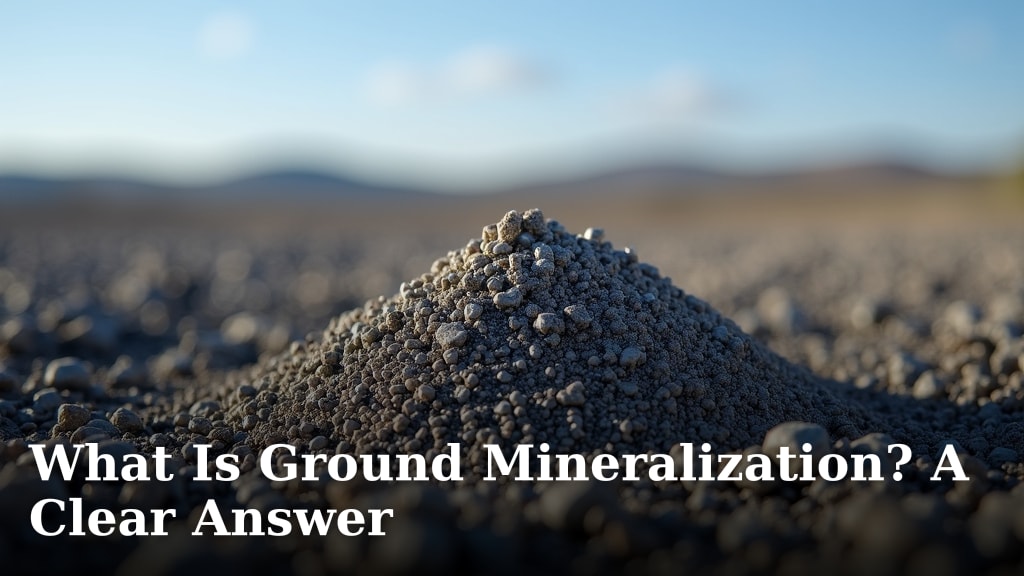
What Is Ground Mineralization? A Clear Answer
Ground mineralization is the natural process of minerals being added to or removed from soil over time. This process is essential for plant growth and soil health. It happens through various natural forces, including weather and the breakdown of rocks.
Understanding ground mineralization helps you know why your soil might be rich or depleted. It’s linked to how nutrients become available to plants. We found that soil can gain or lose minerals constantly. This affects what you can grow.
- Ground mineralization adds or removes minerals from soil naturally.
- It’s vital for healthy soil and growing strong plants.
- Weathering and rock breakdown are key parts of this process.
- Knowing about it helps you manage your garden or farm soil better.
Let’s break down exactly what ground mineralization means for your soil and plants. We’ll cover how it works and what it means for your gardening efforts.
“`htmlUnderstanding Soil Mineral Changes Over Time
Ground mineralization is the natural process of minerals being added to or removed from soil. It’s like the soil’s ongoing renovation project. This cycle is really important for keeping your garden soil healthy. It also directly impacts how well your plants can grow.
What Exactly Are Minerals in Soil?
Minerals are the building blocks of rocks. When rocks break down, they release these tiny mineral particles into the soil. Think of them as the essential nutrients that plants need to survive and thrive. Your soil gets its mineral content from the parent rock material it originally formed from. It also gains minerals from other sources.
How Does Soil Gain and Lose Minerals?
Soil isn’t static; it’s always changing. Minerals are constantly being added and taken away. This natural give-and-take is what we call ground mineralization. It happens through a few main natural forces. Understanding these forces helps you understand your soil’s health.
Weathering: The Great Decomposer
Weathering is a huge player in ground mineralization. It’s the process that breaks down rocks into smaller pieces. This can happen in a few ways. Physical weathering involves things like freezing water expanding in cracks. It can also be caused by wind and rain physically eroding rocks. Chemical weathering happens when water and air react with rock minerals. This changes their chemical makeup and makes them more soluble. They can then be washed away or taken up by plants. Understanding ground mineralization is crucial for successful metal detecting.
The Role of Living Organisms
Believe it or not, bugs, bacteria, and plants themselves play a part. Earthworms churn the soil, bringing minerals to the surface and mixing them. Microbes break down organic matter, releasing minerals trapped within it. Plant roots absorb minerals from the soil. When plants die and decompose, those minerals are returned to the soil. This constant biological activity helps move and recycle minerals.
Water Movement: The Great Transporter
Water is a key force in mineral movement. Rainwater can dissolve minerals from the soil and carry them deeper. This is called leaching. If the water table is high, minerals can be drawn back up to the surface. Water also carries minerals from one place to another through runoff. So, areas with lots of rain might lose minerals faster than drier areas.
Human Impact on Mineral Balance
We also influence ground mineralization. Farming practices, like adding fertilizers, directly increase mineral content. However, intensive farming without proper soil management can lead to mineral depletion. Erosion caused by construction or poor land use can wash away valuable topsoil rich in minerals.
The Importance of Minerals for Plant Life
So, why do we care so much about these minerals in the soil? Because plants absolutely depend on them. They are like the vitamins for your garden. Without the right balance of minerals, plants struggle to grow.
Essential Nutrients for Strong Plants
Plants need a variety of minerals to grow. Some they need in large amounts, like nitrogen, phosphorus, and potassium. These are often called macronutrients. Others they need in smaller amounts, like iron, zinc, and manganese. These are micronutrients. All of them are vital for different plant functions. They help build cell walls, produce energy, fight disease, and much more.
Nitrogen: The Greenifier
Nitrogen is crucial for leaf growth and the green color of plants. It’s a key component of chlorophyll, which plants use for photosynthesis. When soil is low in nitrogen, you’ll often see yellowing leaves.
Phosphorus: The Root Builder
Phosphorus is essential for root development and flowering. It helps plants transfer energy. Without enough phosphorus, plants may have stunted growth and poor root systems.
Potassium: The All-Rounder
Potassium helps plants regulate water, strengthen their stems, and resist diseases. It’s important for overall plant health and vigor.
Micronutrients: The Tiny but Mighty
Even in small amounts, micronutrients like iron, manganese, and zinc are critical. Iron, for example, is needed for chlorophyll production. A deficiency in any micronutrient can lead to specific symptoms and poor plant health.
How Mineral Availability Affects Your Garden
The amount of a mineral in the soil isn’t always the same as how much a plant can use. This is called mineral availability. Factors like soil pH and the presence of organic matter can affect whether a mineral is in a form plants can absorb. For instance, some minerals are more available in acidic soils, while others are better in alkaline conditions. Organic matter can also “hold onto” minerals, releasing them slowly over time. This is why healthy soil is rich in organic material.
Recognizing Signs of Mineral Imbalance
Your plants often give you clues when something is off with their mineral nutrition. Learning to read these signs can help you address problems early. You don’t need a degree in soil science to spot common issues.
Visual Clues from Your Plants
Look closely at your plants. Are the leaves yellowing? Are they spotted or discolored? Is growth stunted? These are all potential indicators of mineral deficiencies. For example, yellowing between the veins of older leaves often points to a nitrogen deficiency. Yellowing between the veins of new leaves can indicate an iron problem.
Soil Testing: Your Best Friend
While visual clues are helpful, the most reliable way to know what minerals your soil needs is through testing. You can get a soil test kit from your local garden center or through your county’s agricultural extension office. These tests will tell you the levels of various nutrients in your soil. They can also often tell you the soil’s pH level. This information is gold for making informed decisions about amending your soil.
Many guidelines recommend regular soil testing, especially before planting new beds or starting a new season (University of ________ Extension).
Common Mineral Deficiencies and What They Look Like
Here’s a quick look at what to watch for:
- Nitrogen: Yellowing of older, lower leaves; slow overall growth.
- Phosphorus: Stunted growth, purplish leaves or stems, poor flowering.
- Potassium: Yellowing or browning along leaf edges, weak stems.
- Iron: Yellowing of new leaves while veins remain green.
- Magnesium: Yellowing between veins on older leaves, sometimes with brown spots.
Managing Your Soil’s Mineral Health
Once you understand ground mineralization and how it affects your soil, you can take steps to manage it. The goal is to maintain a healthy balance of minerals that your plants can use.
Adding Nutrients Naturally
Compost and well-rotted manure are fantastic for improving soil health. They add organic matter and a slow release of various minerals. Cover crops, like clover or vetch, can also help. When tilled back into the soil, they add nutrients and organic material. Mulching with organic materials also contributes over time.
Using Fertilizers Wisely
If your soil test indicates a specific deficiency, you might need to use fertilizers. Choose fertilizers that provide the nutrients your plants need. For example, a fertilizer high in nitrogen will help with leafy growth. It’s often best to use balanced fertilizers unless a specific test result suggests otherwise. Always follow the application rates on the product label to avoid over-fertilizing, which can harm plants and the environment.
Research has shown that applying too much nitrogen can lead to environmental issues like water pollution (EPA).
Adjusting Soil pH
As mentioned, soil pH affects mineral availability. If your soil is too acidic or too alkaline, plants may not be able to absorb the minerals present. You can test your pH with a soil test. Lime is often added to raise pH (make it less acidic). Sulfur is used to lower pH (make it more acidic). You’ll need to know your soil test results to make the right adjustments.
Preventing Mineral Loss
Healthy soil structure helps prevent mineral loss. Using good gardening practices, like avoiding walking on wet soil, can help. Planting cover crops can protect soil from erosion during off-seasons. Managing water runoff is also key to keeping valuable minerals in your garden beds.
A Checklist for Better Soil Mineralization Management
Here’s a quick checklist to keep your soil healthy:
- Test your soil regularly.
- Add compost or aged manure annually.
- Use fertilizers only when needed, based on soil tests.
- Maintain a healthy soil pH for nutrient availability.
- Protect your soil from erosion with cover crops or mulch.
- Observe your plants for signs of nutrient stress.
Conclusion
You’ve learned that ground mineralization is the natural way your soil gains and loses minerals. It’s a constant cycle driven by weather, living things, and water. This process is key to having the right nutrients available for your plants to grow strong. By understanding these natural forces and paying attention to your plants and soil, you can manage your garden better. Your next step is to get a simple soil test. This will give you the clear picture you need to make smart choices for your soil’s health and your plants’ success.
Frequently Asked Questions
Does ground mineralization happen quickly or slowly?
Ground mineralization is generally a slow, ongoing process. Factors like heavy rainfall or extreme weathering can speed up mineral loss or addition, but it typically takes many years for significant changes to occur naturally.
Can I speed up natural ground mineralization in my garden?
You can support and improve the *availability* of minerals, but you can’t truly speed up the natural breakdown of rocks. Adding compost and organic matter helps recycle existing minerals and makes them more accessible to your plants.
What happens if my soil loses too many minerals?
If your soil loses too many minerals, it becomes depleted and less fertile. Plants may struggle to get the nutrients they need, leading to stunted growth, poor yields, and increased susceptibility to pests and diseases.
Is ground mineralization different from soil erosion?
Ground mineralization refers to the gain or loss of minerals themselves, regardless of how it happens. Soil erosion is a *process* that can *cause* mineral loss by washing away the mineral-rich topsoil.
Can ground mineralization be reversed by human actions?
While humans can significantly impact soil mineral content through practices like fertilization or mining, they don’t truly “reverse” the natural geological processes of mineralization. Instead, we can manage our soils to maintain a healthy mineral balance for plant growth.