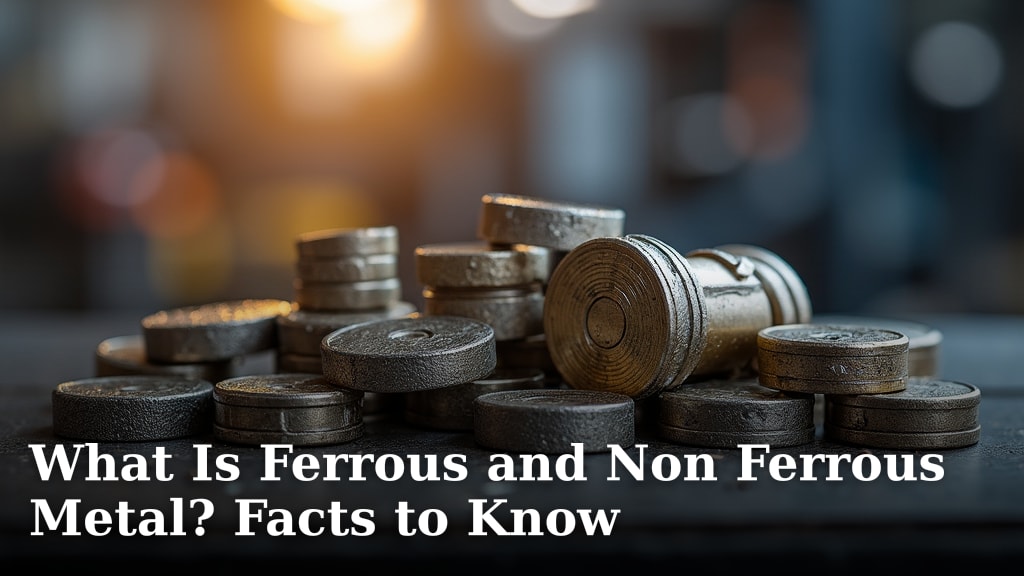
What Is Ferrous and Non Ferrous Metal? Facts to Know
Ferrous metals contain iron, which makes them magnetic and prone to rust. Non-ferrous metals do not contain iron, so they are rust-proof and typically lighter. You’ll find both types of metals used in countless everyday items.
Understanding the difference helps when you’re buying, recycling, or even just curious about the materials around you. For instance, your kitchen pots might be stainless steel (ferrous), while your aluminum foil is non-ferrous. Knowing this distinction is simpler than you think.
- Ferrous metals have iron and are magnetic.
- Non-ferrous metals lack iron and resist rust.
- Iron, steel, and cast iron are common ferrous examples.
- Aluminum, copper, and brass are popular non-ferrous metals.
- Their properties affect their uses and costs.
Let’s break down what makes each type unique and what that means for you.
Understanding Ferrous vs. Non-Ferrous Metals
So, what’s the big difference between ferrous and non-ferrous metals? It all comes down to one key element: iron. Ferrous metals are defined by their iron content. Non-ferrous metals, on the other hand, have little to no iron.
This simple distinction has a huge impact on how these metals behave. Think about a rusty old nail versus a shiny copper pipe. Those differences in appearance and durability largely stem from whether iron is present or not. Let’s break down what that means for you and the materials you encounter every day.
What Makes a Metal Ferrous?
A metal is considered ferrous if it contains iron. This iron content is what gives ferrous metals many of their distinct properties. It’s like the defining ingredient in a recipe; without it, the dish is completely different.
Iron is the primary component. You’ll often find that ferrous metals are also magnetic. This is a handy test if you ever want to try and figure out if something is ferrous. Just grab a magnet!
Common Ferrous Metals You’ll Encounter
When you think of ferrous metals, a few common ones likely come to mind. These are the workhorses in many industries.
Iron
Pure iron is rarely used on its own. It’s a bit too soft and reactive for most applications. However, it’s the foundation for many important alloys.
Steel
Steel is probably the most well-known ferrous metal. It’s an alloy, meaning it’s a mixture of iron and carbon. The amount of carbon can vary, changing the steel’s properties. For example, adding more carbon can make steel harder but also more brittle.
Carbon steel is used in everything from car parts and construction beams to cutlery and tools. It’s strong and relatively inexpensive, making it very popular. You’ll also find stainless steel, which is a type of steel with added chromium. This chromium makes it much more resistant to rust, which is why it’s a favorite for kitchenware and medical equipment.
Cast Iron
Cast iron is another important ferrous alloy. It has a higher carbon content than steel, which gives it excellent casting properties. This means it can be poured into molds to create complex shapes.
Think of your grandmother’s heavy Dutch oven or the decorative iron fences. Cast iron is known for its strength and ability to withstand high temperatures. However, it can be brittle, meaning it might crack under sudden impact. We found that its excellent heat retention makes it ideal for cookware (Cleveland Clinic).
The Downsides of Ferrous Metals
While ferrous metals offer great strength and magnetic properties, they do have a significant drawback. That iron content makes them prone to rusting or corrosion. When iron is exposed to moisture and oxygen, it reacts to form rust, a flaky reddish-brown substance.
Rust weakens the metal over time. This is why outdoor structures made of iron or steel need protective coatings, like paint or galvanization. Otherwise, they’d quickly deteriorate. You’ve probably seen this happen to old cars or garden tools left out in the rain.
What Defines a Non-Ferrous Metal?
Non-ferrous metals are those that do not contain iron. This absence of iron is their defining characteristic and leads to some very different properties compared to ferrous metals.
Because they lack iron, non-ferrous metals are naturally resistant to rust and corrosion. They also tend to be lighter in weight than ferrous metals, and many are excellent conductors of heat and electricity. This makes them suitable for different applications where rust is a concern or weight is an issue.
Popular Non-Ferrous Metals and Their Uses
You interact with non-ferrous metals constantly, often without even realizing it.
Aluminum
Aluminum is incredibly lightweight and resistant to corrosion. It’s also a good conductor of heat and electricity. You’ll find it used in aircraft bodies, car parts, window frames, and, of course, aluminum foil for your kitchen.
Recycling aluminum is also very energy-efficient. It takes much less energy to recycle aluminum than to produce it from raw ore. This is a major environmental benefit (Environmental Protection Agency).
Copper
Copper is famous for its reddish-brown color and its exceptional conductivity. It’s used extensively in electrical wiring, plumbing pipes, and cookware. Its ability to conduct electricity is why it’s a go-to for electronics.
Copper also has natural antimicrobial properties, meaning it can inhibit the growth of bacteria and other microbes. This is why it’s sometimes used in high-touch surfaces in hospitals and public places.
Brass
Brass is an alloy made primarily of copper and zinc. It has a golden color and is known for its durability and corrosion resistance. You’ll often see brass used in musical instruments, doorknobs, decorative items, and plumbing fittings.
Because it’s relatively easy to machine, brass is also used for parts that need to fit together precisely.
Lead
Lead is a dense, soft metal. It’s highly resistant to corrosion and has a low melting point. Historically, it was used in pipes, paints, and batteries.
However, lead is toxic. Exposure can cause serious health problems, especially in children. For this reason, its use has been greatly restricted in many applications. Many health organizations, like the CDC, advise avoiding lead exposure.
Zinc
Zinc is often used as a protective coating for steel, a process called galvanizing. It forms a barrier that prevents the steel underneath from rusting. You’ll see this on many outdoor metal items, like fences and garden furniture.
Zinc is also used in alloys like brass and in batteries.
Advantages of Non-Ferrous Metals
The biggest advantage of non-ferrous metals is their resistance to rust and corrosion. This makes them ideal for applications where moisture is a factor or longevity is key.
Their lighter weight is another major benefit. In industries like aerospace and automotive, every pound saved translates to better fuel efficiency. Plus, many non-ferrous metals are excellent conductors of heat and electricity, making them indispensable in electronics and cooking.
Comparing Ferrous and Non-Ferrous Metals
Let’s look at how these two types of metals stack up against each other in a few key areas. This can help you understand why one might be chosen over the other for a specific job.
| Feature | Ferrous Metals | Non-Ferrous Metals |
|---|---|---|
| Iron Content | High | None or very low |
| Magnetism | Magnetic | Non-magnetic |
| Rust/Corrosion Resistance | Prone to rust | Resistant to rust |
| Weight | Generally heavier | Generally lighter |
| Strength | Often very strong and hard | Varies, can be strong but often more ductile |
| Conductivity (Heat/Electric) | Moderate | Often excellent conductors |
| Cost | Generally less expensive | Can be more expensive, depending on the metal |
When to Choose Which Type
Your choice between ferrous and non-ferrous metals depends on the job. Do you need something incredibly strong and affordable that can be welded easily? Steel might be your answer.
Are you building something that needs to be lightweight and won’t rust, like an airplane wing? Aluminum is a better fit. Need excellent electrical conductivity for wiring? Copper is the way to go.
It’s like choosing the right tool for the job. You wouldn’t use a hammer to tighten a screw, right? Similarly, you select metals based on their unique properties to get the best results.
A Quick Checklist for Identifying Metals
Trying to figure out if you’re looking at a ferrous or non-ferrous metal? Here’s a simple checklist to guide you:
- Grab a magnet. Does it stick strongly? It’s likely ferrous.
- Look for signs of rust or corrosion. Reddish-brown flakes? Probably ferrous.
- Is it very heavy for its size? Could be ferrous.
- Is it very lightweight, like aluminum foil? Likely non-ferrous.
- Does it have a shiny, non-tarnishing surface like copper or brass? It’s probably non-ferrous.
- Is it used for electrical wiring or plumbing? Often a sign of non-ferrous metals like copper or aluminum.
Conclusion
You’ve learned that the presence of iron is the main difference between ferrous and non-ferrous metals. Ferrous metals, like steel and iron, are magnetic and strong but prone to rust. Non-ferrous metals, such as aluminum and copper, lack iron, making them rust-proof, often lighter, and excellent conductors. Understanding these properties helps you make better choices when shopping, recycling, or simply identifying materials around you.
Next time you’re considering a purchase or managing household items, use this knowledge to choose the right metal for the job. Look at what it’s made of and how it performs!
Frequently Asked Questions
Can I tell if a metal is ferrous just by looking at it?
Often, yes. Ferrous metals like iron and steel can develop a reddish-brown rust over time, especially if exposed to moisture. Non-ferrous metals like aluminum and copper usually maintain a shinier appearance and resist this kind of corrosion.
Why is rust a problem for ferrous metals?
Rust, which is iron oxide, weakens the metal. When iron reacts with oxygen and moisture, it forms this flaky substance that can degrade the structural integrity of ferrous items over time, leading to breakage or wear.
Are non-ferrous metals always more expensive than ferrous metals?
Not always, but generally, some non-ferrous metals like copper and aluminum can be more expensive than common ferrous metals like carbon steel. Their resistance to corrosion and lighter weight often justify the higher cost for specific applications.
Is stainless steel considered ferrous or non-ferrous?
Stainless steel is considered a ferrous metal. It is an alloy primarily made of iron and chromium. The iron content makes it magnetic and gives it properties similar to other ferrous metals, though the added chromium greatly improves its rust resistance.
Which type of metal is better for outdoor projects?
For outdoor projects where rust and corrosion are concerns, non-ferrous metals are usually the better choice. Materials like aluminum, copper, or galvanized steel (which has a zinc coating) will last longer and require less maintenance in wet or humid environments.